Here's a number I want you to sit with: more than half of all condo sales in South Florida right now are closing in all cash. Not the luxury tier — the whole market. Cash has been running at roughly 56.5% of condo sales and over 41% of single-family sales. Walk up into the $5 million-plus range and it climbs even higher.
Just this past week, a four-bedroom unit at the Four Seasons Surf Club in Surfside traded for $27.3 million — about $5,100 per square foot. Deals like that don't wait on an appraisal. They don't wait on underwriting. They close because the money is already sitting there.
I've been on both sides of this. I've represented buyers who got beat by cash, and I've helped financed buyers win against cash. So let me tell you what this market actually rewards in 2026 — because it's not what most people think.
The Numbers Behind the Shift
South Florida didn't stumble into this. We held our position as the nation's leading ultra-luxury condo hub, posting the highest-ever number of $20 million-plus condo transactions in 2025 and near-record activity above $10 million. And Miami just ranked the No. 4 top U.S. market to invest in for 2026. The wealth that moved here over the past five years didn't visit. It stayed, and it's buying.
What's Changed: From Speed to Selectivity
The buyer I'm sitting across from in 2026 is different from the buyer of 2021. Back then, everything was a race. Today's high-net-worth buyer is patient, disciplined, and asking harder questions: What are the building's reserves? How solid is the milestone inspection? What's the insurance picture? What's the direction of this specific neighborhood, not just "Miami"?
That's not a cooling market. That's a maturing one. Liquidity, not leverage, is setting the pace — and when cash buyers slow down to be selective, it actually creates openings for everyone else. A seller who hasn't seen a cash offer in three weeks looks very differently at a strong financed offer than one who's juggling five of them.
Cash dominance sounds intimidating, but selective cash is not the same as aggressive cash. When wealthy buyers take their time, well-prepared financed buyers stop competing on price alone and start competing on certainty — and certainty is something you can manufacture.
How I Help Financed Buyers Beat Cash
A cash offer wins for two reasons: speed and certainty. Strip those advantages away and cash is just money — often less of it, because cash buyers expect a discount for the convenience they're offering. Here's the playbook I run with my buyers:
1. Get underwritten, not pre-qualified. A pre-qualification letter is a pleasantry. I want my buyers fully underwritten before we ever write an offer — income verified, assets verified, the file done. At that point the only contingency left is the property itself, and your offer reads almost like cash to a listing agent who knows what they're looking at.
2. Use a lender who knows the building. In the condo world, the building has to qualify, not just you. A local lender who has already closed in that tower — who has the budget, the reserves, the milestone inspection on file — can close in 30 days. An out-of-state retail bank discovering Florida condo requirements for the first time cannot. I keep a short list of lenders for exactly this reason.
3. Commit to the appraisal gap. If you have the reserves, tell the seller in writing that an appraisal shortfall won't kill the deal. That single sentence removes the seller's biggest fear about your financing.
4. Put real money in escrow. A larger deposit signals you're not a tourist. In luxury negotiations, signal matters as much as substance.
5. Keep the terms clean. Don't ask for the furniture, the chandelier, and a 90-day leaseback. Win the house first.
And If You CAN Pay Cash — Should You?
This is where I put on my other hat, because I'm licensed on both sides of this conversation. Some of the most financially exposed families I've met are the ones who wrote a seven-figure check for a home and left themselves thin everywhere else.
Cash wins negotiations. But a home is an illiquid asset, and Florida is a state where carrying costs are real — insurance premiums here remain among the highest in the country even after the recent rate relief. If buying in cash drains the reserves that protect your family, you didn't buy security. You bought concentration risk with a nice view.
What I see sophisticated buyers do instead: close in cash to win the deal, then place financing on the property afterward to restore liquidity. Or finance from day one at today's roughly 6.4% and keep their capital working. Either way, the protection stack gets built around the purchase — homeowners coverage, flood, umbrella liability, and life insurance sized so the home stays in the family no matter what happens to the person who bought it. Buy the home. Protect the family. Build the legacy. The order matters.
Cash Makes Sense If You…
- Keep 12+ months of reserves after closing
- Are competing for a scarce, high-demand property
- Plan to refinance after closing to restore liquidity
- Have your insurance and estate plan already built
- Value negotiating leverage over portfolio returns
Think Twice If You…
- Would drain your liquidity to write the check
- Haven't priced Florida insurance into carrying costs
- Have no life insurance backing the purchase
- Are pulling money from assets earning more than ~6.4%
- Haven't talked to a tax professional about the move
Don't let the cash headlines scare you out of this market, and don't let your bank balance talk you into a careless purchase. I've watched financed buyers win against cash because they showed up prepared, and I've watched cash buyers create problems money was supposed to prevent. The winners in South Florida right now aren't the richest people in the room — they're the most prepared.
The Bigger Picture
When over half a market transacts in cash, it tells you something about who is choosing South Florida: people with options. Wealth keeps voting for this coastline — through record ultra-luxury transactions, through a top-five national investment ranking, through a $27 million condo trade in a single week. That demand floor is exactly why I tell my clients that a well-bought property here is a legacy asset, not a trade.
But legacy assets deserve legacy planning. The transaction is the beginning of the work, not the end of it.
Competing in This Market? Let's Build Your Strategy
Whether you're financing against cash buyers or deciding whether to write the check yourself, I'll walk you through the numbers — purchase, protection, and everything in between.
Frequently Asked Questions
What percentage of South Florida condo sales are all cash?
Cash accounted for roughly 56.5% of South Florida condo sales and 41.4% of single-family sales in recent market data — far above the national average. In the luxury and ultra-luxury tiers, cash is even more dominant. South Florida remains the nation's leading ultra-luxury condo market, recording its highest-ever number of $20 million-plus condo transactions in 2025, and liquidity rather than leverage is often setting the pace in 2026.
Can a financed buyer compete with cash offers in Miami?
Yes — but you have to remove the reasons sellers prefer cash: speed and certainty. Get fully underwritten (not just pre-qualified) before you offer, use a local lender with a track record on the building or neighborhood, consider an appraisal gap commitment, increase your escrow deposit, and keep your terms clean. A financed offer that closes with certainty in 30 days routinely beats a casual cash offer that comes in lower.
Should I pay all cash for a home if I can afford to?
Not automatically. Paying cash wins negotiations, but draining your liquidity to own an illiquid asset can leave your family exposed. Many wealthy buyers close in cash to win the deal, then place financing afterward to restore liquidity. Before writing the check, model your reserves, your insurance stack (homeowners, flood, umbrella, life), and your opportunity cost. The right answer is a wealth-strategy decision, not just a real estate decision.
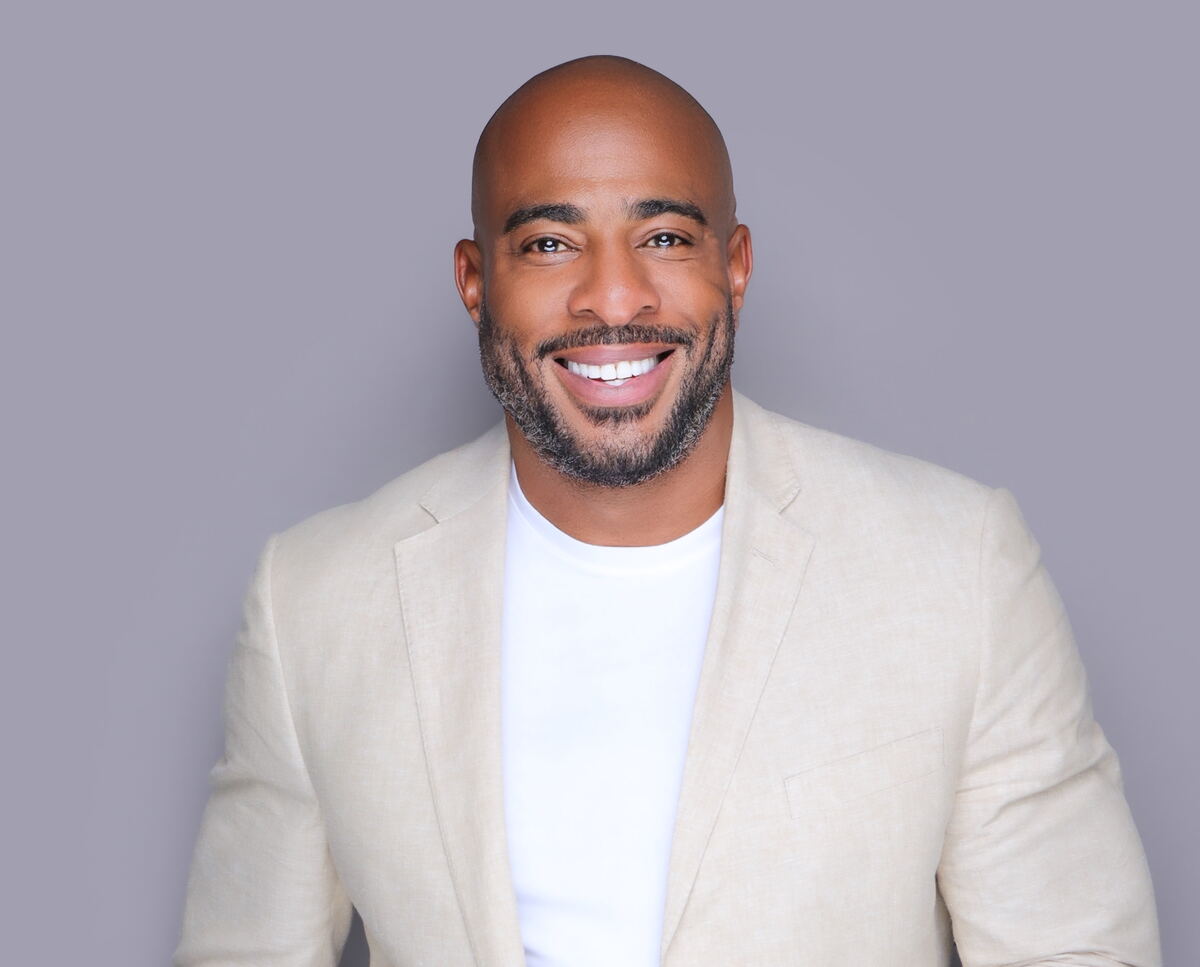
Agu Ukaogo
South Florida Luxury Realtor & Wealth Protection Strategist. Licensed in both real estate and life insurance. Bridges real estate transactions with the financial protection that keeps homes in families. HomeWithAgu.com · (786) 417-1897