I'll tell you the moment a condo deal really lives or dies, and it's not the showing. It's not the view from the balcony, and it's not even the price. It's the afternoon I sit down with my client and we read the building's reserve study together. That document tells you more about your next ten years of ownership than the unit ever will — and in 2026, after Florida's reserve and inspection rules finally landed with full force, reading it isn't optional anymore. It's the whole game.
A lot of buyers still walk into a Brickell or Sunny Isles condo focused entirely on the finishes. I get it — that's the fun part. But I've watched too many people fall in love with a unit and inherit a building, and the building is what writes you a five-figure check you weren't expecting. So let me walk you through what changed, why it matters, and exactly what I make every client check before we ever write an offer.
What Actually Changed in Florida
After the Surfside collapse, Florida rewrote the rules for how older condo buildings have to maintain themselves and pay for it. Two things matter most to you as a buyer. First, buildings three stories and taller had to complete a Structural Integrity Reserve Study — a SIRS — that puts an engineer's eyes on the roof, the load-bearing structure, the waterproofing, and the other major systems, and attaches a real funding plan to them. The deadline for that initial study has now passed. Second, and this is the big one, associations can no longer vote to waive or underfund the reserves for those structural items.
For decades, that waiver was the trick that kept monthly dues artificially low. A board would vote every year to skip funding the reserves, owners would enjoy cheap dues, and the building would quietly age without anyone setting money aside for the day the roof or the concrete needed work. That day always comes. Florida finally said: fund it now, on a schedule, no more kicking the can. I support that completely. But it means the bill for years of deferred maintenance is coming due in a lot of buildings right now — and as a buyer, you need to know whether you're buying into one that already paid it or one that's about to.
In 2026, a Florida condo board can't hide a building's real costs anymore. The reserve study and SIRS put it in writing. Your job as a buyer is simply to read what's already on the page before you close, not after.
Why This Is Actually Good News for Buyers
Here's the part most people miss. These rules didn't make condos worse — they made them honest. Before the reforms, you could buy a unit with low dues and have no idea you were sitting on a building with a thin reserve and a decade of deferred repairs. The risk was real, you just couldn't see it. Now the risk is documented. The reserve study and the SIRS hand you the X-ray. You get to decide with your eyes open.
And remember the broader picture in Miami right now: the condo segment is sitting near thirteen months of supply, which is firmly a buyer's market. That means you have leverage and you have options. If a building's financials scare you, you don't have to make it work — you walk, and you find one of the many well-run buildings that did the responsible thing years ago. That combination, a buyer's market plus mandatory transparency, is honestly one of the safest environments to buy a Miami condo that I've seen in a long time. You just have to use it.
What I Make Every Client Check
When I represent a buyer on a condo, we don't just tour the unit — we underwrite the building. Here's the file I pull before anyone signs anything.
| Document | What I'm Looking For |
|---|---|
| Reserve study & SIRS | What major repairs are coming, when, and whether they're funded |
| Last 2 years of budgets | Are dues rising fast? Is reserve funding actually in the budget? |
| Special-assessment history | Recent assessments — and any that are pending or being discussed |
| Board meeting minutes | Repair debates, lawsuits, insurance fights, owner delinquencies |
| Reserve balance vs. need | Does the cash on hand match what the study says is required? |
A healthy building tells a calm story. The reserves are funded, the SIRS came back clean or with minor items, dues have risen at a normal pace, and the minutes are boring. Boring is exactly what you want. A building to be cautious about tells a tense one. Thin reserves, a fresh engineering report flagging major concrete or roof work, minutes full of repair arguments, and a special assessment that's been "discussed but not voted on yet." That last phrase is a flashing light. You do not want to be the owner of record the day that vote passes.
Before you buy, ask point-blank: "Is there any special assessment passed, pending, or under discussion?" Get the answer in writing from the association, not just the seller. A seller who knows a $30,000 assessment is coming has every reason to close before it's official. I make sure my clients are protected from exactly that.
Don't Forget the Insurance Side of the Wall
This is where being licensed in both real estate and insurance changes how I advise a condo buyer. The building's master policy covers the structure and common areas — but it does not cover everything inside your walls, and it does not cover your personal liability or loss of use. That gap is what an HO-6 condo policy is for, and in South Florida, getting it right matters more than people assume.
I also want my clients to understand the master policy itself before they buy: what its deductible is, especially the windstorm deductible, and how an assessment to cover that deductible could land on you after a major storm. A building can have great reserves for planned repairs and still pass a hurricane-deductible assessment to owners. Knowing that going in is the difference between a surprise and a plan. Buying the home is step one. Making sure the home — and your family inside it — is actually protected is what turns a purchase into something you can build a legacy on.
How I'd Sum It Up
The 2026 rules didn't make Miami condos riskier. They made the risk visible, and they handed it to you in writing before you sign. In a buyer's market with this much inventory, that's a gift. The buyers who lose in this environment are the ones who skim the unit and ignore the building. The buyers who win read the reserve study, ask the hard question about assessments, get the insurance right, and then negotiate from a position of knowing exactly what they're buying. That's the whole strategy, and it's not complicated — it just takes someone in your corner who actually reads the documents.
Let's Read the Building Before You Buy It
Send me the condo you're considering and I'll help you pull and read the reserves, the SIRS, and the assessment history — payment and protection included — before you ever write an offer.
Frequently Asked Questions
What is a SIRS and why does it matter when buying a Miami condo in 2026?
A SIRS is a Structural Integrity Reserve Study — an engineer's inspection of a building's major structural components like the roof, load-bearing walls, foundation, and waterproofing, paired with a funding plan. After Surfside, Florida required buildings three stories and taller to complete their initial SIRS, and associations can no longer waive or underfund those reserves. For a buyer, it's the single most revealing document in the building: it tells you what repairs are coming, what they'll cost, and whether the money is set aside or about to be special-assessed to owners. I never let a client close without reading it.
Can a Florida condo association still waive reserves in 2026?
Not for the structural items covered by the SIRS, and that's the big shift. For years boards could vote to waive or reduce reserve funding to keep dues artificially low, which is part of how maintenance got deferred for decades. The reforms ended that for structural reserves. The upside is buildings are now funding the repairs they actually need. The trade-off is that dues and assessments have risen in buildings that were underfunded for years — so as a buyer you want to know whether you're entering a building that already did the work or one that's about to.
How do I avoid getting hit with a surprise special assessment after buying a condo?
Do your homework on the building before you fall in love with the unit. Before any offer, pull the reserve study, the SIRS, two years of budgets and financials, the meeting minutes, and the special-assessment history. Healthy reserves, a clean inspection, and no looming assessment mean you can buy with confidence. Thin reserves, a recent engineering report, and minutes full of repair debate mean an assessment is likely coming — and you don't want to be the owner of record when it hits. In a buyer's market like Miami condos in 2026, you have the leverage to walk away and find a better building.
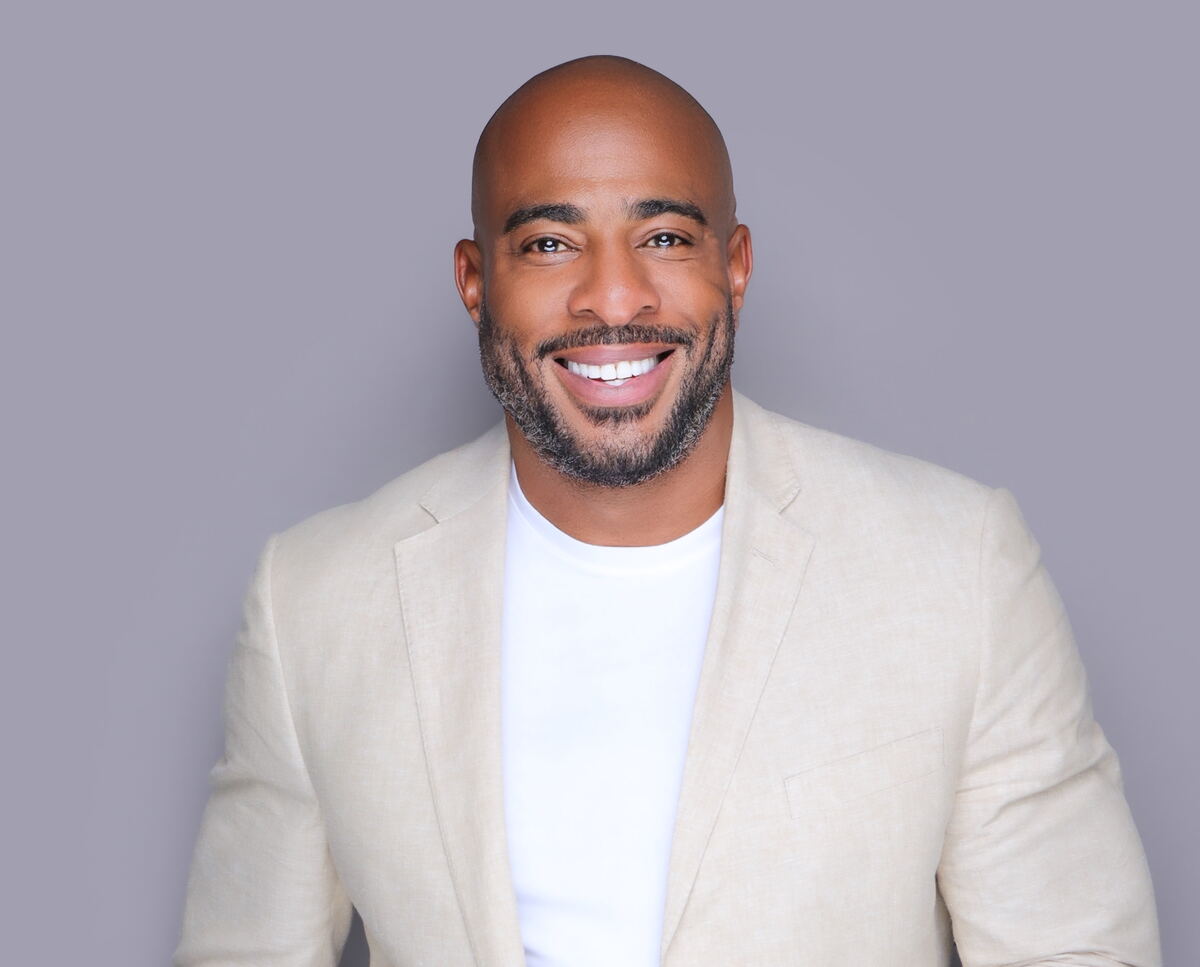
Agu Ukaogo
South Florida Luxury Realtor & Wealth Protection Strategist. FL Real Estate License SL3588365 | Insurance NPN 22138920. One of the few advisors in Miami licensed in both real estate and insurance. HomeWithAgu.com · (305) 791-0812