For most of my career, Miami sold itself as an escape. A second home. The winter place you flew into when the cold got unbearable up north, and left empty half the year. When I moved down here I watched that story slowly change, and in 2026 it has flipped completely. The wealthiest buyers I work with aren't buying a getaway anymore. They're moving their entire lives here — their families, their businesses, their legal address — and calling Miami home for good.
That's a bigger deal than it sounds, and it's not just a story about billionaires. The same forces pulling hedge fund founders and CEOs down here work for professionals and families too. So let me tell you what actually changed, why the second-home model broke, and how I'd position you to ride the same wave the wealthy are already riding.
The Second-Home Model Quietly Broke
Here's the thing most people miss. The biggest reason to move to Florida — no state income tax — only pays off if Florida is genuinely your primary residence. You can't collect that benefit by owning a condo you visit for three months. To legally claim Florida as your tax home, you generally have to spend more than 183 days a year here and make it the real center of your life. That single requirement is why the second-home version of Miami no longer makes sense for the people with the most to gain.
And the numbers are staggering enough to force the decision. A high earner relocating from California or New York can save well into six figures every year — for someone earning $5 million, a clean move to Miami often saves $300,000 to $500,000 a year in state income tax alone. When the savings are that large, you don't buy a winter place. You move. Permanently. That's exactly what's happening across South Florida right now.
The tax benefit only exists if Miami is your real home, not a getaway. That's why the wealthy stopped buying second homes here and started moving here for good.
Homestead: The Part That Seals the Decision
The income-tax savings get people looking. Florida's homestead protection is what closes the deal — and it's the piece I care about most, because it lives right at the intersection of the two things I do. Homestead applies only to a primary residence, and it does two powerful things.
First, it caps your pain on taxes. Under the Save Our Homes provision, the assessed value of your primary residence can rise no more than 3% per year, no matter how hot the market gets around you. In a region appreciating like South Florida, that cap is worth real money over time. Second — and this is the part high-net-worth and business-owner clients lean in for — the Florida homestead offers strong creditor protection. Your primary residence generally cannot be seized to satisfy most debts or judgments, with narrow exceptions like your mortgage, property taxes, and HOA dues.
Think about what that means. For someone who has built real wealth and carries real liability, making Miami a primary home isn't just a tax play. It's an asset-protection and legacy strategy wrapped inside a house. That's why the smart money isn't buying a second home in Florida — a second home gets none of this. They're planting their flag.
Who's Actually Moving — and Where
The names are serious now. Billionaires, hedge fund leaders, tech founders, family offices, and CEOs from high-tax states have been buying here as a base of operations, not a vacation. Recent barrier-island and ultra-luxury deals keep clearing at prices that were unthinkable a few years ago, and the demand isn't seasonal money passing through — it's rooted money settling in. This is the same story I've written about with the companies relocating their headquarters to South Florida: the executive buys the home first, and the company follows.
The demand concentrates where the money and the jobs are landing — Brickell and downtown for finance, the barrier islands for the ultra-luxury tier, and the Palm Beach corridor for quieter wealth. But the ripple reaches everywhere, because when the top of the market moves in permanently, it pulls the neighborhoods around it up too.
You Don't Need Nine Figures to Play This
Here's what I tell the professional, the remote worker, the family sitting across from me who feels like this is a billionaire's story. It isn't. The zero state income tax is the same for you. The homestead exemption and the Save Our Homes cap are the same for you. The creditor protection on your primary residence is the same for you. You get the identical structural advantages — you're just working with a different number of zeros.
And here's the timing gift: while the wealthy are building durable, permanent demand underneath the best neighborhoods, the condo market is sitting in a buyer's market with real supply and real negotiating leverage. That's a rare combination. You can buy with leverage today into the exact places long-term demand is moving toward tomorrow. If you're weighing a move from up north, my guide to relocating from New York to Miami walks through the cost and lifestyle math in detail.
| Second Home in Miami | Primary Home in Miami |
|---|---|
| No state income tax benefit (still taxed where you live) | Zero Florida state income tax on relocated income |
| No homestead exemption | Homestead exemption + 3% Save Our Homes assessment cap |
| No creditor protection on the property | Strong homestead creditor protection on your residence |
| A getaway that sits empty half the year | A base for your family, business, and legacy |
Buy It Right — Then Protect It
This is where being licensed in both real estate and insurance changes the whole conversation. Moving here for good means you're putting your center of gravity into a state with real storm and insurance exposure. Before you close, I want you to actually understand your homeowners or HO-6 coverage, your windstorm deductible, and — if you're relocating serious wealth — how your homestead and protection structure work together so what you're building is genuinely secured.
That's the whole philosophy I bring to every client, and it's the same three steps every time. Buy the home — and in this market, with this migration underneath it, buying well is a real opportunity. Protect the family inside it. And structure things so you're building a legacy, not just making a purchase. The wealthy figured out that Miami works best as a home, not a getaway. The move is available to you too — you just have to do it right.
Deal Alerts
Get South Florida Deal Alerts + Relocation Intel
New luxury listings and market shifts as the wealth keeps moving in — sent before the crowd. Plus my South Florida Relocation Brief — free, instant download.
Thinking About Making Miami Home?
Tell me what you're considering and I'll help you target the right neighborhood, run the residency and homestead math, and make sure the purchase is protected before you write an offer.
Frequently Asked Questions
Why are wealthy buyers making Miami a primary residence instead of a second home?
The math changed. Florida has no state income tax, so a high earner relocating from a high-tax state can save well into six figures — often $300,000 to $500,000 a year for a $5 million earner — but only if Florida is a genuine primary residence, which generally means spending more than 183 days a year here. That residency requirement is why the second-home model no longer captures the benefit. To claim the savings, the wealthy are moving their families, their center of life, and their legal domicile here for good. Add year-round climate and Miami's maturing financial and cultural infrastructure, and a growing share of ultra-high-net-worth buyers now treat a Miami home as their base, not a getaway.
What is the Florida homestead exemption and why does it matter for high-net-worth buyers?
Homestead applies only to your primary residence and does two big things. First, it reduces taxable value and caps assessment increases under Save Our Homes at 3% per year, no matter how fast the market climbs. Second — the part high-net-worth and business-owner buyers care about most — it provides strong creditor protection: your primary Florida residence generally cannot be seized to satisfy most debts and judgments, with narrow exceptions like the mortgage, property taxes, and HOA dues. That makes it a legacy and asset-protection tool, not just a tax break, which is exactly why it rewards making Miami a primary home rather than a second one.
Do you have to be ultra-wealthy to benefit from moving to Miami in 2026?
No. The billionaires get the headlines, but the same forces work for professionals, remote workers, and families relocating from high-tax states. You get the same zero state income tax, the same homestead exemption and Save Our Homes cap, and the same creditor protection on your primary residence. And right now the condo market is a buyer's market with real negotiating leverage, so a regular buyer moving here for good can lock in a home with room to negotiate while the same demand the wealthy are creating builds underneath the best neighborhoods. You don't need a nine-figure net worth — you need to buy in the right place and protect it properly.
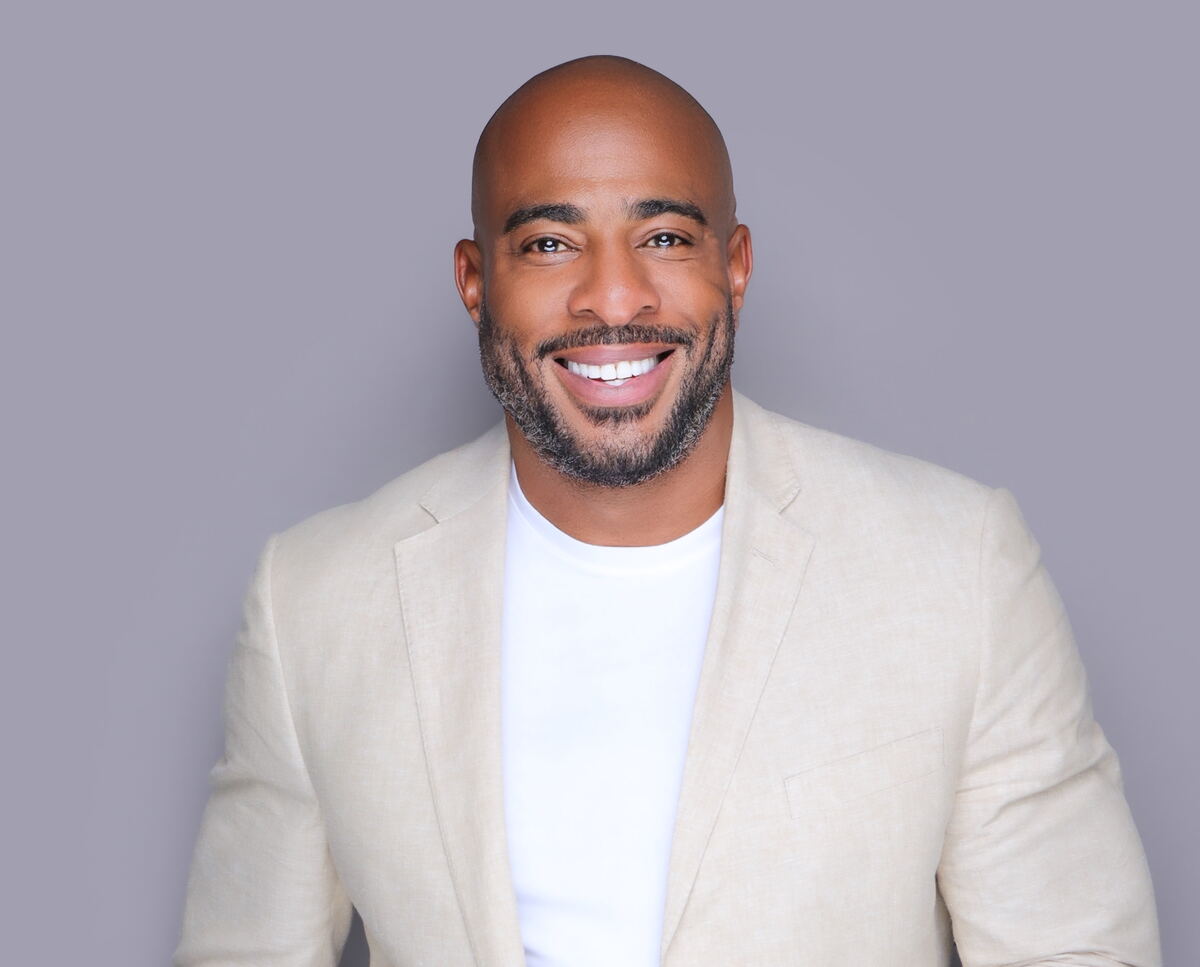
Agu Ukaogo
South Florida Luxury Realtor & Wealth Protection Strategist. FL Real Estate License SL3588365 | Insurance NPN 22138920. One of the few advisors in Miami licensed in both real estate and insurance. HomeWithAgu.com · (786) 417-1897