For two years, almost every buyer who sat across from me had the same plan: wait for the cut. Wait for the Fed to blink, wait for mortgage rates to fall back toward the magic number, then pounce. I understood it. After the pandemic years of 2.75% money, anything in the 6s felt like a punishment. So they waited.
This week, that plan ran into a wall. The Fed met on June 16 and 17 and held its benchmark rate steady — no surprise there. But the tone underneath the decision was the real story. The Fed's updated projections turned hawkish: a majority of policymakers now think the next move might be a rate hike later this year, not a cut, because inflation is still sitting stubbornly above their 2% target. The bond market heard that loud and clear, and mortgage rates drifted right back up. As of June 24, the average 30-year fixed is running around 6.64%.
I'm not telling you this to scare you. I'm telling you because the entire premise that so many buyers built their lives around for the last two years — "I'll just wait for rates to drop" — no longer has a finish line. And in Miami, where I work, waiting has a price tag that keeps getting bigger.
What Actually Changed at the Fed
Let me be precise, because the headlines are sloppy about this. The Fed did not raise rates this month. It held. What moved was the forecast — the famous "dot plot" where each policymaker marks where they think rates are headed. Coming into 2026, the market was pricing in cuts. Now the center of gravity has shifted, and more of those dots point sideways or up, with several officials signaling that a hike may be needed before the year is out if inflation doesn't cooperate.
Here's the part I drill into my clients: even the Fed's own moves don't directly set your mortgage. The 30-year fixed tracks the bond market and long-term inflation expectations, not the overnight Fed funds rate. That's exactly why rates rose this week on a meeting where the Fed didn't touch anything — investors looked at a more hawkish Fed, repriced their inflation bets, and bond yields climbed. Your mortgage rate followed.
The average 30-year fixed is around 6.64% as of June 24, 2026, up modestly after the Fed meeting. Fannie Mae and the Mortgage Bankers Association both now expect rates to stay locked in the low-to-mid 6% range through the rest of 2026 and into 2027. Nobody serious is forecasting a return to the 5s any time soon — and a 4 in front of the number is off the table entirely.
The Wait Was Always a Bet — And the Odds Just Got Worse
When a buyer tells me they're waiting for rates to fall, what they're really doing is placing a bet: that rates will drop faster than Miami home prices rise. For three years running, that bet has lost. And after this week, the house odds got even worse, because now the more likely near-term move is up, not down.
Meanwhile, look at what the Miami market has actually been doing while everyone waited. Miami-Dade and Palm Beach have posted year-over-year price gains for nine consecutive months. Sales of properties above $1 million jumped 22% in the first quarter of 2026 compared to a year earlier, and million-dollar sales in Miami-Dade were up nearly 15% in May alone. Inventory is still tight at roughly 4.7 months of supply — well under the six months that defines a balanced market. This is not a market sitting around waiting for buyers to feel comfortable.
| The Bet You're Making | Buy Now (~6.64%) | Wait for a Cut |
|---|---|---|
| The Fed's signal | Doesn't matter — your rate is locked | Now leaning toward a hike, not a cut |
| Miami prices | You lock today's price | 9 straight months of gains, still climbing |
| If you're right about rates | You refinance and win twice | You saved on rate, paid more on price |
| If you're wrong | You already own and build equity | Higher price and a higher rate |
This is the asymmetry I come back to again and again: a price increase is permanent, a rate is temporary. If you overpay on the house because you waited, that money is gone for good. If you "overpay" on the rate today, you refinance in two or three years if the market turns and you're done. You marry the house and you date the rate. It's a cliché in my business because it keeps being true.
6.64% is not a crisis number — it's close to the 50-year average for a 30-year mortgage. The pandemic-era 2.75% rates were the anomaly, not the baseline you're owed. If you're waiting for those to come back, you're waiting on a once-in-a-generation event that already happened. Build your plan around the market that exists, not the one you wish existed.
Why Miami Doesn't Flinch at a Rate Move
National rate coverage assumes a national buyer financing the whole purchase. The buyer I work with in South Florida is frequently a different animal. A large share of this market — especially at the luxury end — is paying cash or putting down enough that the mortgage rate is almost a footnote. When you're competing against cash buyers from Latin America, executives relocating from New York and California for the tax advantages, and second-home buyers who don't blink at a 6.64% rate, "I'm waiting for the Fed" is not a strategy that wins you the house. It's a strategy that watches the house sell to someone else.
That's the part rate-watchers keep getting wrong. They've spent two years waiting for higher rates to crack Miami prices, and it hasn't happened, because the demand here isn't built on cheap debt. It's built on migration, lifestyle, taxes, and a genuinely limited supply of well-located inventory. A hawkish Fed doesn't change any of those fundamentals.
So What Should You Actually Do Right Now?
Here's my honest playbook, and notice that none of it depends on guessing the Fed.
Buy the home you can comfortably afford at today's rate. Not the home you could afford if rates were a point lower. If the payment at 6.64% strains you, the fix isn't to bet on a cut that the Fed just signaled may not come — it's a different price point. I'd rather put you in a home that fits than watch you stretch on a forecast.
Lock and structure your financing before you fall in love with a property. The buyers who win in this market move fast and clean. Know your number, keep your pre-approval tight, and understand the full monthly picture — principal, interest, taxes, insurance, and HOA. In Florida, the insurance line is not a rounding error, and I make sure my clients see the real number before they're emotionally committed.
Plan to refinance, but don't depend on it. If rates do eventually drift lower, refinancing is straightforward and you'll be glad you already own the asset. If they don't — and the Fed is now telling you they might not — you're still building equity instead of paying your landlord's mortgage through rent.
Protect what you buy from day one. This is where I work differently from most agents. I'm licensed in both real estate and insurance, so when I help you buy, we also map out how the home and your family are protected — the right windstorm and homeowners coverage for South Florida, and the financial structures that hold up if life doesn't go to plan. Buying the home is step one. Protecting it is what turns a purchase into a legacy.
Let's Run Your Real Numbers
Forget the rate headlines. Tell me your budget and what you're looking for, and I'll show you exactly what's possible in today's Miami market — payment, protection, and all.
Frequently Asked Questions
Are mortgage rates going up or down in June 2026?
Up, slightly. As of June 24, 2026, the average 30-year fixed purchase mortgage is around 6.64% — higher after the Fed's June meeting. The Fed held its benchmark rate but its projections turned hawkish, with a majority of policymakers now expecting a possible hike later in 2026 rather than a cut, since inflation is still above the 2% target. The bond market reacted, and mortgage rates rose with it. Fannie Mae and the MBA expect rates to stay in the low-to-mid 6% range through 2026 and into 2027.
Is now a bad time to buy a home in Miami because rates went up?
Not in my experience. A move from about 6.5% to 6.64% changes the monthly payment on a typical Miami home only modestly, while South Florida prices keep compounding. Miami-Dade and Palm Beach have posted year-over-year gains for nine straight months, and sales above $1 million rose 22% in the first quarter of 2026. Inventory is still tight at about 4.7 months. A slightly higher rate costs far less than waiting and paying a higher price on a loan you can later refinance.
Should I wait for the Fed to cut rates before buying?
That plan just lost its finish line. The cut buyers were banking on is no longer the base case — the Fed's own projections now lean toward a possible hike later in 2026. Stop timing the Fed and start timing your own life: buy the right home you can comfortably afford today, lock the price, and refinance the rate if the market shifts later. You can change a rate. You can't go back and buy at last year's price.
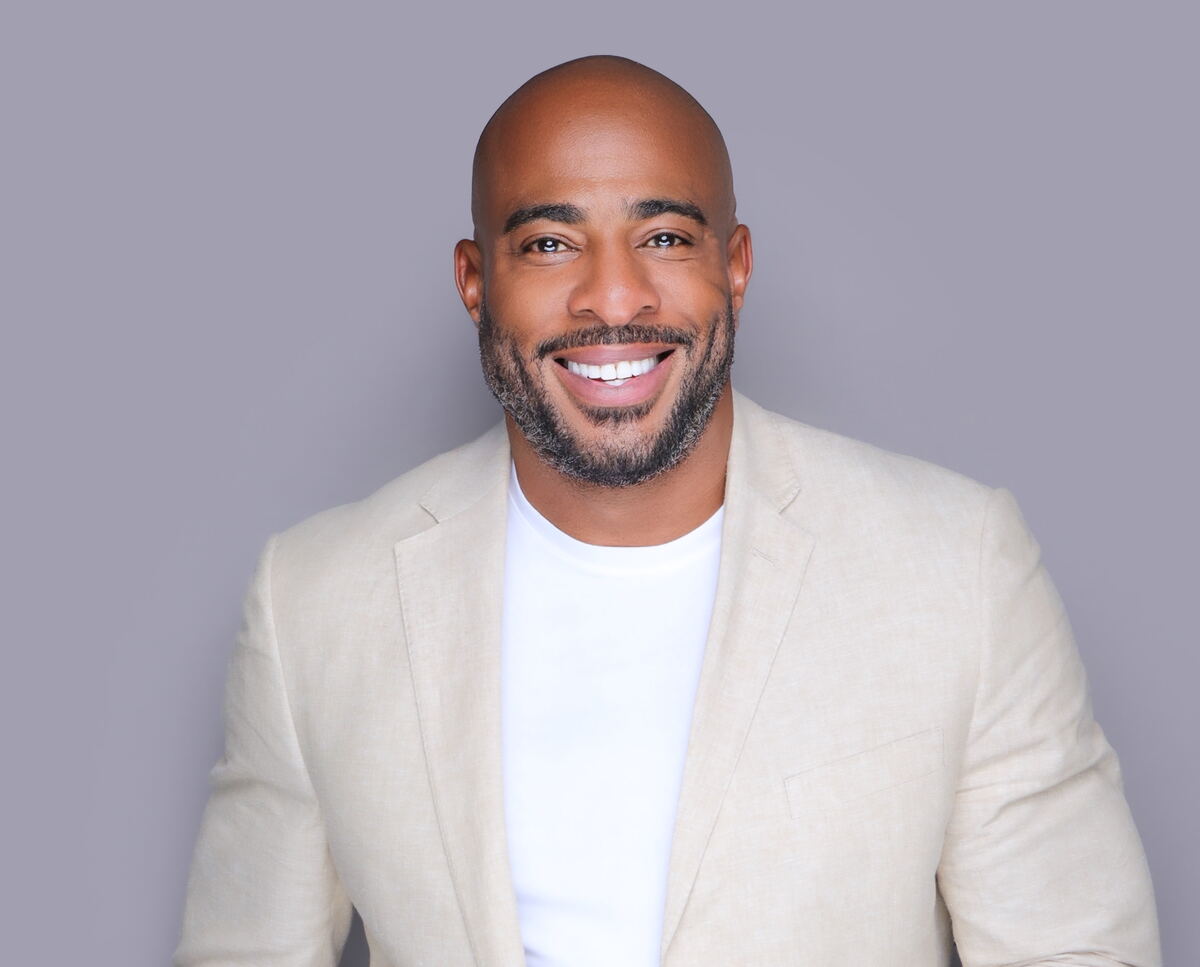
Agu Ukaogo
South Florida Luxury Realtor & Wealth Protection Strategist. FL Real Estate License SL3588365 | Insurance NPN 22138920. One of the few advisors in Miami licensed in both real estate and insurance. HomeWithAgu.com · (305) 791-0812