I drove past the Galleria in Fort Lauderdale last week, the same mall I used to think of as just another place to grab lunch, and I thought about what it's about to become: nine 30-story towers, more than 3,000 apartments, a hotel, offices, and 30 restaurants. A hundred-million-dollar bet that the future of that corner isn't shopping. It's living.
That's not an isolated project. Across South Florida right now, developers plan to add more than 8,600 apartments to more than a half-dozen malls and shopping centers in Miami-Dade, Broward, and Palm Beach. The department stores emptied out, foot traffic moved online, and the land underneath those parking lots turned out to be worth far more as housing than as retail. I've watched a lot of trends come through this market. This one reshapes the map.
I'm Agu Ukaogo. I sell luxury real estate in South Florida and I help my clients protect what they build. When I look at a story like this, I'm not reading it as news. I'm reading it as a map of where value is going to move over the next five to ten years, and I want the people I work with positioned before the crowd figures it out.
What's Actually Being Built
This isn't one flashy announcement. It's a pattern, and the scale is what makes it matter. Here's where the biggest bets are landing:
| Project | Location | What's Coming |
|---|---|---|
| The Galleria | Fort Lauderdale | Nine 30-story towers, 3,000+ apartments, 170-room hotel, 30 restaurants ($100M+ plan) |
| Miami International Mall | Doral | 896-unit apartment project proposed on former Sears & JCPenney sites |
| Town Center | Boca Raton | 374 apartments, 197-room hotel, new retail on the old Sears parcel |
| Bal Harbour Shops | Miami-Dade | Three 275-ft buildings, 600 residential units, 70-room hotel (Live Local) |
| Westland Mall | Hialeah | Codina Partners redeveloping the shuttered Sears parcel |
Notice the common thread: nearly every one of these started with a dead or dying anchor store. Sears and JCPenney closings didn't just leave empty boxes; they freed up some of the most well-located, transit-adjacent, already-zoned commercial land in the region. Developers are now filling those footprints with the one thing South Florida cannot build fast enough: housing.
Two forces collided. First, retail contracted, leaving malls with vacancies they couldn't fill. Second, Florida's Live Local Act gave developers powerful incentives and zoning flexibility to add residential density near jobs and transit. Put those together and a struggling mall becomes the most logical place in the whole city to build a new neighborhood.
Why a Buyer Should Care About a Mall
Here's the part most people miss. When a mixed-use project of this size gets built, it doesn't just create new condos to compete with. It changes the gravity of the entire area around it. Walkable retail arrives. Restaurants arrive. Jobs and hotel traffic arrive. Streets that were built for cars start getting built for people.
I tell my clients this all the time: you don't always want to buy in the shiny new tower. Sometimes the smarter play is to buy the solid single-family home or the older condo within walking distance of it, before the amenities show up and the neighborhood re-rates. The tower sells at tomorrow's prices. The house down the street is still trading at yesterday's.
That's how legacy gets built in real estate. Not by chasing the hottest listing, but by reading where the map is being redrawn and planting yourself just ahead of it.
The Discipline: Not Every Project Gets Built
Now let me be the person who tells you the truth, because that's what I'd want from someone handling my money. Not all of these projects will happen on schedule, and some will look very different by the time they open. Several South Florida mall redevelopments have already run into political opposition, legal battles, and neighbor pushback. Plans get shrunk. Timelines slip by years. A rendering is not a building.
So when I evaluate whether a redevelopment should influence a client's purchase, I'm asking a short, unromantic list of questions:
Is it actually approved, or still in hearings?
A project that has cleared city council and secured financing is a very different bet than one facing a first reading with organized opposition. Buy near momentum, not near a press release.
Who is the developer, and are they funded?
Groups like Simon, Greystar, Codina, and Whitman have the balance sheets to finish what they start. Undercapitalized players stall. Follow the money and the track record.
Can you sit through the construction years?
The upside comes at delivery, but the disruption comes first: noise, traffic, dust. If you need to sell in 18 months, the messy middle can work against you. If you can hold, it can work for you.
Does the home stand on its own?
Never buy a property purely on a promise next door. The home has to make sense on schools, flood zone, insurance, and condition even if the redevelopment never opens. The project is upside, not the whole thesis.
Say a buyer is drawn to Doral because of the Miami International Mall plan. I wouldn't have them chase a premium tower unit priced for a future that hasn't arrived. I'd look for a well-built home or established condo a few blocks out, negotiate hard while the area still feels "before," confirm the insurance and flood picture are clean, and structure the purchase so they can comfortably hold through the construction window. When the restaurants and residents show up, they already own the block.
Protect the Home You Buy Into It
Here's where my second license matters. A lot of these redevelopments are going into flood-aware, coastal-adjacent parts of the tri-county area. Growth and density are exciting, but they don't change the water table or the wind maps. If you buy near one of these projects, you still need to run the full protection playbook: a real homeowners policy, separate flood coverage where the zone calls for it, and liability limits that match your net worth, not the state minimum.
And if you're buying for the long hold — which is exactly the right way to play a redevelopment thesis — then mortgage protection and life coverage aren't afterthoughts. The whole point of buying ahead of the map is to still own the asset when the value catches up. That only works if your family's ability to keep the property is protected through whatever the next ten years bring. Buy the home. Protect the family. Build the legacy. In that order, every time.
Want to Get Ahead of the Map?
I'll walk you through which South Florida redevelopment zones are real, which are still rumor, and where a well-timed purchase makes sense for your budget and your goals — plus how to protect it once you own it. No pressure, just a real conversation.
Frequently Asked Questions
How many apartments are being added to South Florida malls?
As of mid-2026, developers plan to add more than 8,600 apartments across more than a half-dozen malls and shopping centers in Miami-Dade, Broward, and Palm Beach counties. Major projects include the Galleria at Fort Lauderdale (over 3,000 apartments across nine 30-story towers), Miami International Mall in Doral (an 896-unit proposal on the former Sears and JCPenney sites), Town Center at Boca Raton (374 units plus a hotel), and Bal Harbour Shops (600 residential units).
Is it a good idea to buy a home near a mall redevelopment?
It can be, if you buy early and buy the right location. Homes near a well-capitalized mixed-use project often appreciate as the area gains walkable retail, dining, jobs, and transit access. The risk is timing and execution: several South Florida redevelopments have faced political opposition, legal battles, and delays. The smart move is to buy near a project that is already funded, approved, and breaking ground — not one still stuck in early hearings — and to price in years of construction disruption before the upside arrives.
Will mall redevelopments lower home prices nearby during construction?
During active construction, nearby homes can see softer demand and rentability due to noise, traffic, and dust, which sometimes creates a buying window. Once the project delivers new retail, restaurants, and residents, the same homes often benefit from stronger neighborhood amenities and improved walkability. Buyers who understand this cycle can acquire during the disruption phase and hold into the delivery phase, which is exactly the kind of long-term positioning I walk my clients through.
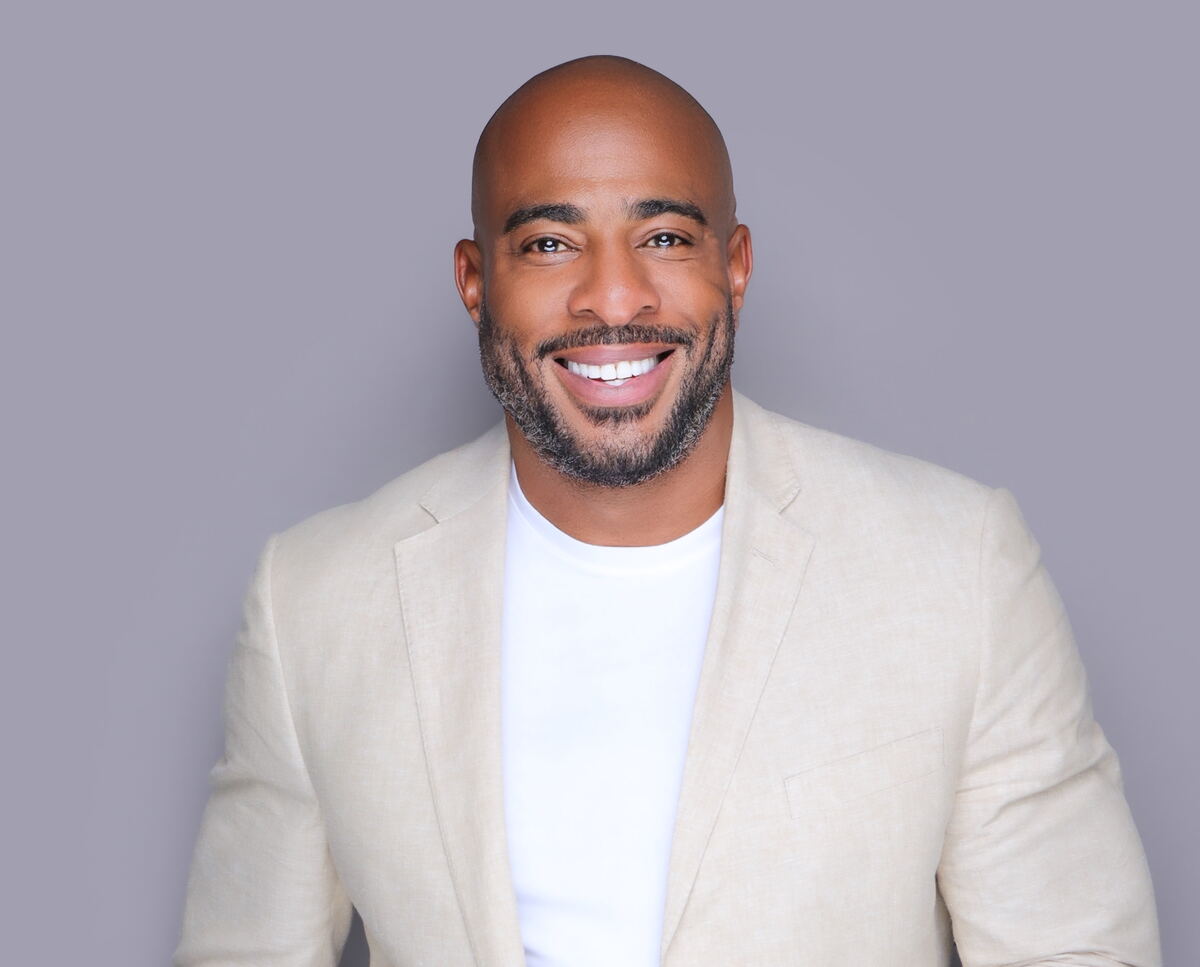
Agu Ukaogo
South Florida Luxury Realtor & Wealth Protection Strategist. FL Real Estate License SL3588365 | Insurance NPN 22138920. One of the few advisors in Miami licensed on both sides of the wealth-building equation. HomeWithAgu.com · (786) 417-1897