I've reinvented myself enough times to recognize the sound of a place changing under your feet. Omaha to New York, fitness to entertainment, corporate leadership to real estate — every one of those moves taught me the same lesson: you don't wait until the crowd shows up to buy your ticket. You read where things are going and you get there first. Right now, South Florida is the ticket, and the companies are telling you exactly where the seats are.
In 2026 the headquarters stopped being a rumor and became a map. Palantir, D-Wave, Trinity Investments, Apollo — these are not small names, and they are not landing randomly. Each one is planting a flag in a specific corner of this region. If you're buying here, that map is worth more than any forecast, because it tells you where high-income, sticky demand is heading. Let me walk you through it the way I'd walk a client through it.
The 2026 Moves That Actually Matter
Start with the names, because the specifics tell the story. In February 2026, Palantir Technologies relocated its global headquarters to Aventura — a genuine tech heavyweight choosing north Miami-Dade. D-Wave Quantum announced it's moving its headquarters and a primary R&D facility out of Palo Alto to the Boca Raton Innovation Campus by year end. Trinity Investments, a real estate investment firm, moved its headquarters from Hawaii to Coconut Grove. GFL Environmental relocated its executive headquarters to Miami Beach. And Apollo Global Management is scouting South Florida for a second headquarters.
Zoom out and the pattern is even louder. More than 74 companies relocated their headquarters to Florida between 2020 and 2025 — more than any other state — and relocation announcements jumped 71% in a single year, from 96 to 164. The thing I watch most closely is the order of events: in almost every one of these moves, the chairman or CEO bought a personal home in South Florida before the company relocated. The residence comes first. The headquarters follows.
When the executive buys the house first and moves the company second, the demand they create doesn't leave when the market wobbles. That's the demand you want underneath the home you're about to buy.
The Buyer's Map: Where Each Wave Is Landing
Here's how I'd translate those headlines into neighborhoods. This is the part most buyers skip, and it's the part that actually protects your money.
Aventura & Sunny Isles — the northern tech anchor
Palantir choosing Aventura reshapes the north end of Miami-Dade. This corridor already had walkable luxury and strong condo inventory; now it has a marquee employer bringing senior, well-paid staff who want to live close to the office. Sunny Isles next door gives you the oceanfront tier. If you want to be early on a corridor that just got a real demand engine, this is it.
Brickell — the finance center of gravity
Brickell remains the magnet for finance and the firms clustering downtown, and it's where relocating leadership keeps landing. It's the most liquid luxury-condo market in the region, which cuts both ways — you'll have competition, but you'll also have an easier exit if life changes. When money moves to Miami, a lot of it still moves through Brickell first.
Coconut Grove — the quiet, waterfront choice
Trinity Investments picking Coconut Grove is telling. The Grove is where relocating executives go when they want water, greenery, and a little distance from the downtown noise without leaving it behind. Inventory is tighter here, so the leverage conversation is different — but the demand quality is exactly what you want under a long-term hold.
Boca Raton & West Palm Beach — the second hub being built in real time
D-Wave choosing the Boca Raton Innovation Campus, plus the wealth-management and finance moves stacking up the Palm Beach corridor, means this stretch is being built into a second center of gravity. From West Palm up through Boca and Delray, you get more house for the money than Miami-Dade and a demand story that's still early. I tell clients this corridor is where patient buyers get rewarded.
| Corporate Landing | Where I'd Point a Buyer |
|---|---|
| Palantir — Aventura | Aventura & Sunny Isles condos; buy early on the corridor's new demand |
| Finance firms — downtown Miami | Brickell luxury condos; most liquid, easiest long-term exit |
| Trinity Investments — Coconut Grove | The Grove; waterfront, tighter supply, top-tier demand quality |
| D-Wave — Boca Raton | Boca / West Palm corridor; more value, earliest in the cycle |
The Part Most Buyers Get Wrong
Excitement makes people sloppy. The corporate-migration headlines can make you feel like you have to buy anything, anywhere, right now, before you're priced out. That's the wrong read, and I'll tell any client the same thing: two things are true at once, and your job is to use both.
First, the condo market is firmly a buyer's market. South Florida condos are sitting near 14 months of supply, and days on market for condos have climbed past 160 — the most negotiating leverage buyers have had in about three years. Second, the corporate migration is building long-term demand under the best locations. Put those together and you get a rare setup: you can negotiate hard today and still buy into a neighborhood that durable demand is moving toward tomorrow. The losers overpay out of panic. The winners use today's leverage to buy tomorrow's path.
Don't Buy the Demand Without Protecting the Asset
This is where being licensed in both real estate and insurance changes the conversation. Buyers chasing a hot corridor tend to focus entirely on the purchase and treat protection as paperwork for later. That's backwards. You're putting serious money into an asset in a state with real storm and insurance exposure. Before you close, I want you to understand your HO-6 or homeowners coverage, your windstorm deductible, and — if you're a high earner relocating with this next wave — how the right wealth-protection structure keeps what you're building actually protected.
That's the whole philosophy I bring to every client: buy the home, protect the family, build the legacy. The corporate wave is the wind at your back. Protection is what keeps the boat upright when the weather turns. In a market like this one, you want both working for you at the same time.
How I'd Sum It Up
The companies moving to South Florida aren't a headline to skim — they're a map. Palantir in Aventura, D-Wave in Boca, Trinity in the Grove, finance in Brickell, Apollo circling for more. Each one marks where sticky, high-income demand is heading, and that demand puts a long floor under the neighborhoods serious buyers care about. At the same time, today's buyer's-market supply hands you the leverage to act smart instead of desperate. Buy into that durable demand while you still have room to negotiate, buy in the right location, and protect the purchase properly. Do those three things and you're not chasing a trend — you're building something that lasts.
Deal Alerts
Get South Florida Deal Alerts + Relocation Intel
New luxury listings and market shifts as the companies keep moving in — sent before the crowd. Plus my Corporate Relocation Brief — free, instant download.
Let's Target the Right Corridor for You
Tell me what you're considering and I'll help you buy near the corporate wave that fits your budget and life — and make sure the purchase is protected before you write an offer.
Frequently Asked Questions
Which companies moved their headquarters to South Florida in 2026?
The 2026 wave is specific. Palantir relocated its global headquarters to Aventura, D-Wave Quantum is moving its headquarters and R&D to the Boca Raton Innovation Campus, Trinity Investments moved from Hawaii to Coconut Grove, and GFL Environmental relocated its executive headquarters to Miami Beach. Apollo Global Management is scouting for a second headquarters here. More than 74 companies relocated to Florida between 2020 and 2025, and announcements jumped 71% in 2025. The pattern is consistent: the executive buys a home here first, and the company follows.
Where should I buy to be near the new corporate hubs?
Follow the leases. Aventura and Sunny Isles anchor the Palantir move on the north Miami-Dade line. Brickell stays the finance center of gravity for downtown firms. Coconut Grove picked up Trinity Investments and is the quieter, waterfront choice for relocating leadership. And the Boca Raton–West Palm Beach corridor is the fast-growing second hub, with D-Wave and wealth management landing there. Buy in the corridor a company is moving toward, not away from — that's where sticky, high-income demand concentrates.
Is it still a buyer's market near these corporate hubs?
Yes, in the condo segment, and that's the opportunity. South Florida condos are near 14 months of supply with days on market past 160 — the most negotiating leverage buyers have had in about three years. At the same time, the corporate migration is building long-term demand under the best locations. You can negotiate hard today and still buy into a neighborhood that durable demand is moving toward. The winners use today's leverage to buy tomorrow's path.
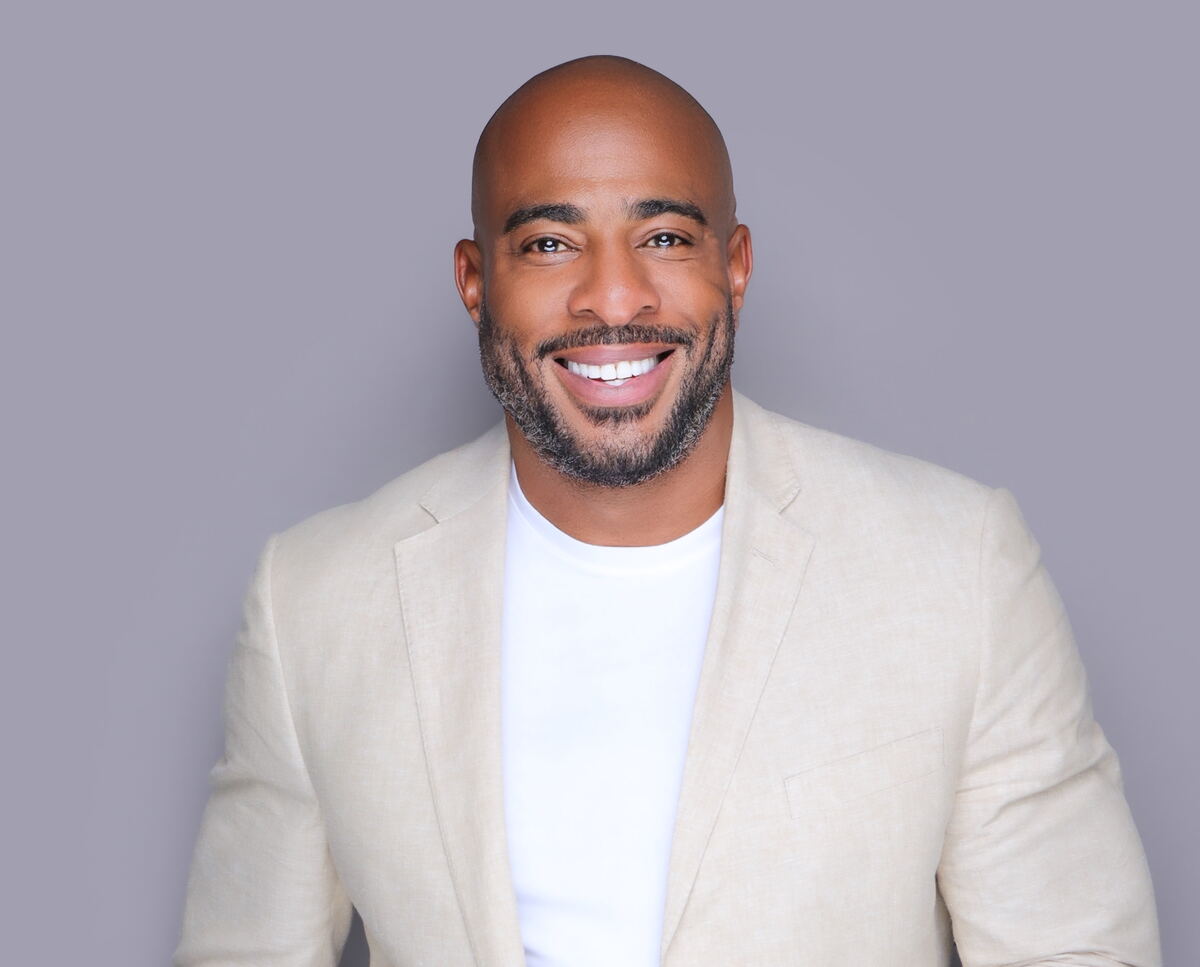
Agu Ukaogo
South Florida Luxury Realtor & Wealth Protection Strategist. FL Real Estate License SL3588365 | Insurance NPN 22138920. One of the few advisors in Miami licensed in both real estate and insurance. HomeWithAgu.com · (305) 791-0812