I've sat across from clients wiring seven figures for a home in Brickell or on the water in Fort Lauderdale, and I've watched their hands shake a little when they hit send on that transfer. That's normal. What worries me isn't the buyer who's nervous — it's the buyer who isn't. Because right now, the wire instructions sitting in your inbox during a closing are one of the most targeted pieces of information in South Florida real estate, and most people still treat them like routine paperwork.
This isn't theoretical. South Florida is now averaging roughly one $10 million-plus home sale every single day, and Miami-Dade's ultra-luxury price threshold has climbed past $13 million this year. Bigger transactions mean bigger wires, and bigger wires mean a bigger target painted on every buyer, every title company, and every closing attorney in this market. Florida just passed a new cybersecurity law aimed at the lending side of that equation. It's a real step forward — and it's nowhere near the whole answer for you as a buyer.
What Florida's New Law Actually Does
The law requires licensed mortgage professionals and financial institutions in Florida to maintain real cybersecurity protocols, protect the borrower data sitting in their systems, and report breaches to the Office of Financial Regulation. Additional standards tightening how those requirements get applied took effect July 1, 2026 — this week. It's a meaningful move. Lenders handling your Social Security number, your bank statements, and your financial history now have teeth behind the requirement to lock that information down.
Here's what it doesn't do: it doesn't stop a scammer from hacking or spoofing your title company's email and sending you "updated" wire instructions two days before closing. That gap — between what the law protects and what you're actually exposed to — is exactly where I spend most of my time with clients in the final stretch of a deal.
The new law protects the systems holding your data. It does not protect the moment you click "send" on a wire. That protection is still on you — and on the advisor guiding you through it.
How the Scam Actually Works
It's simpler than people expect, which is exactly why it works. A scammer compromises or convincingly spoofs an email address that looks like it belongs to your title company or closing attorney. Days or hours before your scheduled closing, you get an email with "updated" wire instructions — a new account number, sometimes a note explaining the bank changed or there was an error in the first instructions. You've been in email contact with this same name for weeks. You trust it. You wire your down payment, or in some cases your full purchase amount, straight into the fraudster's account. By the time the real title company calls asking where the funds are, the money is gone, usually moved through several accounts within hours.
The FBI's Internet Crime Complaint Center has flagged this as one of the fastest-growing scams tied to real estate for years running, and the losses reported nationally run into the hundreds of millions annually. It doesn't discriminate by home price, but the math is obvious: a $2,000 rental deposit isn't worth a scammer's time. A $4 million wire for a waterfront closing absolutely is. As the size of transactions in this market keeps climbing, so does the incentive.
What I Walk Every Client Through Before They Wire a Dollar
Never trust wire instructions that arrive only by email. Legitimate title companies and attorneys will tell you upfront: they will never change wire instructions over email without a verbal confirmation. If an email shows up with new account numbers, that's your signal to stop, not to comply faster.
Pick up the phone — using a number you already had. Call your title company or closing attorney directly, using the number from your original engagement paperwork or their published office line, never a number pulled from the suspicious email itself. Verbally confirm every digit of the account and routing number before you authorize anything.
Use secure closing portals when they're offered. Many title companies now offer encrypted portals specifically to get email-based fraud out of the wire process. If yours offers one, use it — it closes off the exact vulnerability scammers rely on.
Ask about wire fraud protection on the transaction. Some title companies carry fidelity coverage or wire fraud insurance that can make a victim whole if funds are misdirected despite reasonable precautions. It's a fair question to ask before you're under closing-day pressure, not after.
Loop in someone who sees both sides of this. This is exactly why I built my practice the way I did — licensed in real estate and in insurance, so I'm not just walking you to the closing table, I'm making sure the money, the data, and the family behind that purchase are actually protected before, during, and after.
| What Puts You at Risk | How I Protect You Against It |
|---|---|
| Wire instructions arriving only by email | Verbal confirmation, every time, using a number you already trust |
| Larger transactions attracting more sophisticated fraud | Secure portals and title company verification built into the process |
| Data exposure across lender, title, and closing systems | Working with vetted partners held to Florida's tightened cybersecurity standards |
| Assuming "the law protects me" and lowering your guard | Treating every wire like it's the only chance a scammer gets |
Why This Matters More in a Market Like This One
I tell clients the same thing whether we're closing on a $600,000 condo or a $15 million estate: the size of the number doesn't change the process, it changes the stakes. In a market where South Florida is closing roughly one eight-figure sale a day, the systems around these transactions have to be as serious as the dollars moving through them. Florida's new cybersecurity requirements are a real, positive step for the lending side of the industry. But laws protect systems. They don't protect a buyer who clicks the wrong link at the wrong moment under closing-day time pressure. That part is still yours to own — or better, to hand to someone who's already thinking about it before you ever have to.
This is the same philosophy I bring to everything I do with clients. Buying the home is the exciting part, and I love that part of the job. But protecting the family behind that purchase — their money, their data, their peace of mind at the closing table — is what actually builds a legacy instead of just a transaction. I'd rather slow you down for one phone call than let you learn this lesson the expensive way.
Closing Soon? Let's Protect the Transaction Properly
Before you wire a dollar, let's make sure the process is locked down. I'll walk you through it as both your real estate advisor and your wealth protection strategist.
Frequently Asked Questions
What is Florida's new cybersecurity law for mortgage lenders?
Florida enacted legislation requiring licensed mortgage professionals and financial institutions to maintain real cybersecurity protocols, protect borrower data, and report breaches to the Office of Financial Regulation. Additional standards affecting how those requirements are applied took effect July 1, 2026. In plain terms, it forces the lending side of a transaction to lock down the systems holding your Social Security number, bank statements, and wire instructions — but it doesn't protect you from a scammer impersonating your title company by email.
How does wire fraud actually happen during a home closing?
The most common version starts with a hacked or spoofed email account — often the title company's or the closing attorney's — that sends you "updated" wire instructions right before your closing date. The buyer, trusting the familiar name in their inbox, wires their down payment or full purchase amount to the fraudster's account instead of the real title company. By the time anyone notices, the money is gone. This has been flagged by the FBI's Internet Crime Complaint Center as one of the fastest-growing scams tied to real estate for years, and the bigger the transaction, the more attractive the target.
What should luxury buyers do to protect themselves from closing-day fraud?
Never wire money based on instructions received only by email. Call your title company or closing attorney directly, using a phone number you already had on file — not one from the email in question — and verbally confirm every account number before you send a dollar. Use secure closing portals when your title company offers them, ask about wire fraud insurance or a fidelity bond on the transaction, and loop in an advisor who understands both the real estate side and the wealth-protection side of the deal before you're sitting at the closing table.
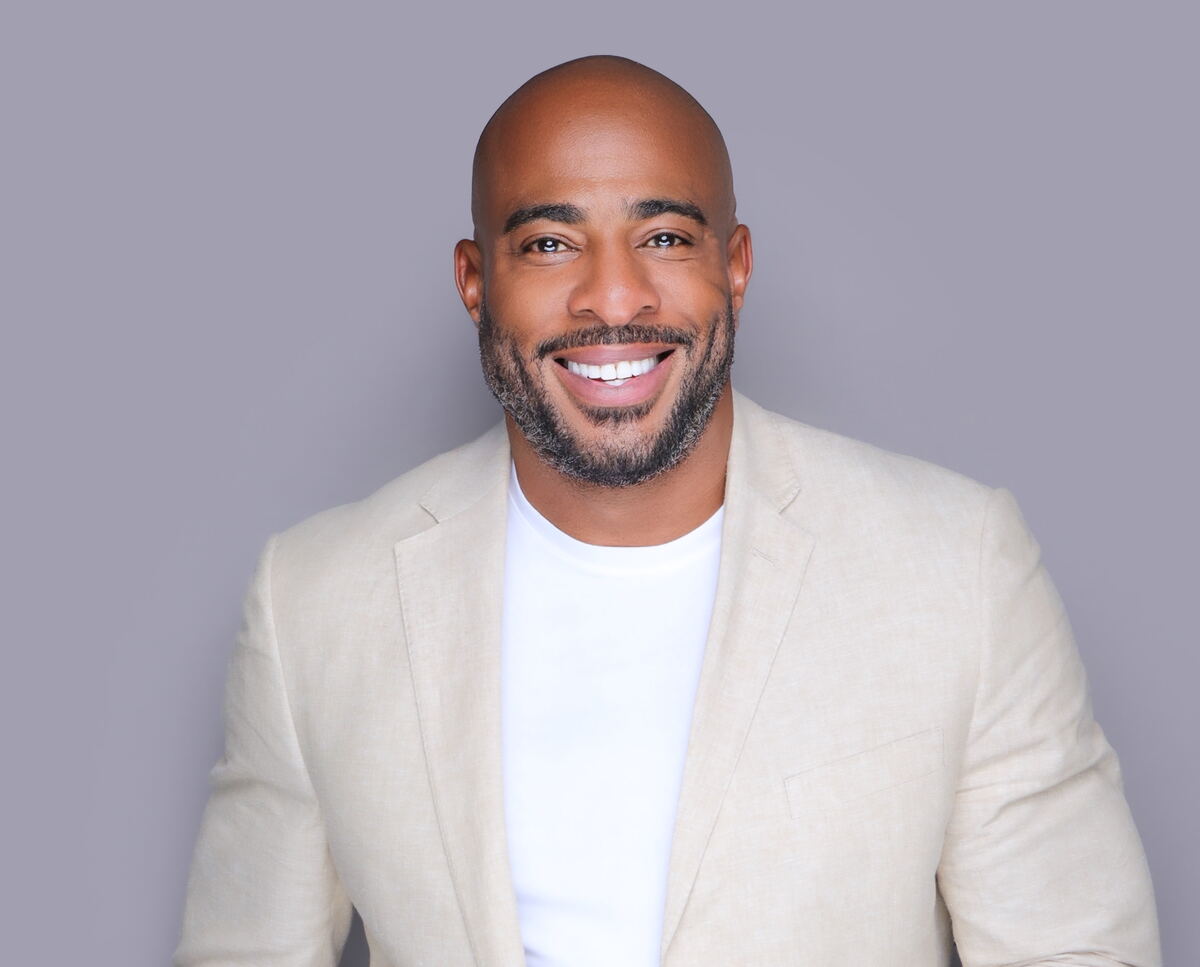
Agu Ukaogo
South Florida Luxury Realtor & Wealth Protection Strategist. FL Real Estate License SL3588365 | Insurance NPN 22138920. One of the few advisors in Miami licensed in both real estate and insurance. HomeWithAgu.com · (305) 791-0812