Introduction: Why Miami Luxury Is a Different Purchase
Let me be direct with you from the start: buying luxury property in Miami is not the same as buying any other home anywhere else. I say that not to intimidate you, but because the buyers who walk in treating it like a routine real estate transaction are the ones who miss things — reserve study red flags, windstorm insurance gaps, developer contract provisions that lock in unfavorable terms for years. The buyers who win in this market are the ones who come in prepared.
I'm Agu Ukaogo, a South Florida luxury real estate advisor and licensed insurance professional brokered through Premier Partners | Real Brokerage. My north star is simple: Buy the home. Protect the family. Build the legacy. I wrote this guide because I have walked dozens of buyers through this process and the same questions come up every time. If you read this start to finish, you will understand what the Miami luxury market actually looks like, what the process requires, and how to avoid the mistakes I see buyers make when they try to navigate it without real guidance.
This is not a generic overview. Every section reflects what I see and do on the ground in Miami every week. If something raises a question you want to talk through directly, call me at (305) 791-0812. But first — read this.
Understanding the Miami Luxury Market
The Miami luxury market in 2026 is nuanced. Sales of homes above $1 million surged more than 21% year over year in early 2026, signaling that serious capital is still actively flowing into South Florida. At the same time, the condo segment is sitting near 13 months of supply — the highest in years — which gives prepared buyers real leverage in parts of the market they simply did not have in 2022 or 2023.
Those two facts coexist because the Miami luxury market is not one market. It is a collection of distinct segments that move on different timelines and respond to different pressures. The single-family luxury market in Coral Gables, Pinecrest, and Key Biscayne remains tight. Desirable homes with clean title and no deferred maintenance draw competitive interest and move fast. The condo market tells a different story — especially in older buildings and neighborhoods where multiple new towers are delivering simultaneously, creating a supply concentration that gives buyers pricing power and negotiating room.
The structural case for Miami is as strong as it has ever been. Florida has no state income tax. The legislature recently passed a historic homestead exemption increase that will triple the exemption from $50,000 to $250,000 by 2028, dramatically reducing the long-term property tax burden for primary residents. Miami International Airport provides direct service to virtually every major Latin American and European hub. The financial services industry has relocated significant operations here. All of that creates demand that is driven by fundamentals, not speculation — and that is the kind of market where the best time to buy is before the next compression cycle, not after.
Choosing the Right Neighborhood
The single biggest mistake I see luxury buyers make is choosing a neighborhood based on a weekend trip or a list of "top neighborhoods" they read online. Miami's luxury neighborhoods are genuinely distinct from one another — not just in price, but in lifestyle, community feel, daily commute, school access, and long-term appreciation profile. Here is how I walk clients through the decision:
If you want estate living and top schools
Coral Gables and Pinecrest are where family buyers consistently land. Wide lots, mature tree canopy, Mediterranean architecture, and proximity to the best private schools in the county — Gulliver Prep, Ransom Everglades, Carrollton. Prices start around $2.5 million for a well-maintained estate and climb to $8 million and above for renovated trophy homes. Inventory is tight because nobody leaves. Explore our Miami luxury homes guide for more context on this segment.
If you want urban walkable luxury
Brickell is Miami's financial district and the epicenter of branded high-rise luxury. Walkable to world-class dining, Brickell City Centre, and the bay. Brands like St. Regis, 1428 Brickell, and Brickell Flatiron define the top of the market here. The Brickell condos guide breaks down the best buildings in detail. Entry point around $1.5 million, with ultra-luxury units well above $5 million.
If you want waterfront exclusivity
Coconut Grove, Key Biscayne, and Miami Beach offer the most direct water access at different price points and community scales. Coconut Grove has a village feel with sailboat marinas and lush canopy. Key Biscayne is an island with virtually no crime and a tight community culture. Miami Beach ranges from the Art Deco historic district to ultra-luxe oceanfront towers in the $5 million to $20 million range. See the Sunny Isles condos guide for the northern oceanfront segment.
If you want bayfront towers at a better entry point
Edgewater is Brickell's younger sibling — direct Biscayne Bay frontage, new construction towers, and a rapidly improving neighborhood at a slightly lower price point. If your goal is maximizing view for dollar in a new building, Edgewater is consistently one of my recommendations for buyers with a $1.5 million to $3 million budget.
Before I show a single property, I spend time understanding how you actually live — where you work, how often you travel, whether you have kids, what your entertainment looks like, and what your morning routine is. The right neighborhood for one buyer is completely wrong for another, even at the same budget. Get that conversation right, and everything else gets easier.
Financing Your Luxury Purchase
Luxury mortgages — typically defined as loans above the conforming limit, currently $766,550 — are called jumbo loans, and they operate by different rules than conforming mortgages. Here is what you need to know before you start making offers:
Jumbo lenders require more documentation. Expect to provide 24 months of tax returns, 12 months of bank statements, proof of liquid reserves (typically 12 to 24 months of mortgage payments held in accessible accounts), and sometimes additional documentation for self-employed income or income from investments. The approval process takes longer — budget 45 to 60 days for a clean jumbo approval.
Rates are different. Jumbo rates have historically run slightly above conforming rates, though the spread has compressed in recent years. In mid-2026, strong-profile jumbo borrowers are seeing rates in the high 6s to low 7s, with the expectation that rates ease toward the high 5s by year-end. That expectation is real — but it should not dictate your timing. Buy the asset when the right asset is available. Refinance the rate when it's right.
Condo financing has an additional layer of complexity. Many luxury condo buildings in Miami require what lenders call "warrantability" — the building must meet specific owner-occupancy ratios, reserve funding levels, and other criteria before most institutional lenders will approve financing. Some buildings are non-warrantable, which limits your financing options to portfolio lenders. I vet the financing profile of every building before a client makes an offer. You do not want to find out the building is non-warrantable after you're in contract.
Cash buyers have significant advantages. A substantial portion of Miami luxury transactions close as cash. Cash offers typically command more favorable pricing (sellers accept a 2–5% discount for cash certainty) and move faster through the closing process. If you have the capital and are comfortable with the liquidity decision, it is often worth considering.
| Purchase Price | Typical Loan Amount | Reserve Requirement (est.) |
|---|---|---|
| $1.5M (20% down) | $1.2M | $180K–$240K in liquid reserves |
| $3M (25% down) | $2.25M | $337K–$450K in liquid reserves |
| $5M (30% down) | $3.5M | $525K–$700K in liquid reserves |
| $10M+ (Cash) | N/A | Proof of funds letter required |
Working With the Right Realtor
I am going to be honest here because it matters: not every luxury-branded agent in Miami has the experience to guide you through a high-stakes transaction without making costly mistakes. The luxury label is applied liberally in this market. What you actually need is an advisor who has closed multiple transactions in your target segment, understands the building-specific due diligence requirements, and has established relationships with listing agents that can get you access to off-market and pre-launch inventory.
Beyond the transactional competence, look for advisors who can integrate the full picture. I am licensed in both real estate and insurance, which means when I help a client buy a $4 million Brickell condo, I am also reviewing their windstorm exposure, their flood zone designation, and their mortgage protection needs in the same conversation. That integration matters. The gaps between your advisors — where your realtor's knowledge ends and your insurance broker hasn't started yet — are exactly where risk lives in a luxury transaction.
Here is what the right buyer's advisor does for you in a Miami luxury transaction:
- Identifies the right neighborhoods and product types based on how you actually live
- Accesses off-market listings and pre-launch developer inventory before it's public
- Analyzes condo reserve studies, special assessment history, and master insurance policies
- Structures offers strategically — price, terms, deposit, timeline — to compete or to negotiate
- Manages the due diligence process and knows what questions to ask that others miss
- Coordinates title, lender, attorney, and inspector so nothing falls through the cracks
- Reviews insurance needs before closing, not as an afterthought
In the current market structure, a buyer's agent's compensation is typically negotiated and disclosed separately. In most Miami luxury transactions, the seller's net still reflects the buyer representation cost. You get professional representation without paying out-of-pocket — and you get an advisor whose only job is to protect you, not to close the seller's deal. Never go dual-agent on a luxury purchase.
The Offer Process
Writing a strong offer on a luxury property in Miami requires more strategy than most buyers expect. Here is what I walk clients through before we submit:
Price strategy. Is this a seller's market property (multiple offers, price discipline) or a buyer's leverage situation (days on market, motivated seller, overpriced entry)? Those require completely different approaches. A Coral Gables estate with two competing buyers needs a clean, full-price offer with minimal contingencies. A condo that has been sitting 180 days in a building with 40 active listings needs a different approach — and the seller knows it even if they won't say it.
Deposit structure. In Florida, the initial escrow deposit is typically 1% of the purchase price, with an additional deposit due after the inspection period — together often totaling 5–10% of purchase price. On luxury transactions, sellers expect meaningful deposits that signal your seriousness. A $3 million offer with a $10,000 deposit tells a seller you are not committed.
Contingencies. Florida's standard Residential Contract for Sale and Purchase includes an inspection contingency and a financing contingency. In competitive situations, some buyers waive or shorten these, which carries real risk. I never advise waiving the right to inspect — but I do work on tightening timelines and structuring contingency language to make an offer more competitive without eliminating your protection.
Condo association timelines. Many luxury condominium associations require a formal buyer application and board approval that can take 15 to 45 days. This must be factored into your contract timeline from the start. Missing this can put your deposit at risk.
Due Diligence & Inspections
Due diligence on a Miami luxury property goes well beyond a standard home inspection. Here is what I require for every client:
General Home Inspection
Structural, mechanical, electrical, plumbing. Essential on any property. For luxury homes, I use inspectors who specialize in high-end construction and can evaluate systems — whole-house generators, smart home infrastructure, elevator systems in multi-story estates — that a generalist misses.
Condo Reserve Study Review
Florida's SB 4-D changed how condo buildings must fund reserves. Any building with underfunded reserves is a building with pending special assessments. I read every reserve study and translate the numbers into plain English before my client falls in love with a unit.
Flood Zone & Wind Analysis
Every Miami property sits in a FEMA flood zone. The question is which one and what it means for your insurance premium. AE, VE, and X zones have dramatically different insurance implications. I review flood zone designation and estimated insurance costs before any offer.
Title Search
A clean title is non-negotiable. Miami luxury properties — particularly estate homes that have traded multiple times — occasionally carry liens, easements, or ownership disputes that must be cleared before closing. Your title company resolves these, but the search catches them first.
HOA Document Review
The condo declaration, bylaws, rules and regulations, recent meeting minutes, and pending litigation disclosure. I read these. Pending litigation against the building, rental restriction policies, and pet restrictions are all things that can significantly affect your use and eventual resale.
Master Insurance Policy Review
The building's master policy tells me what is covered structurally and what you need to cover personally. The gap between what the master policy covers and what you need on your HO-6 (condo owner's policy) is where many buyers leave themselves exposed. I close that gap.
Closing Costs in Florida
Florida's closing costs for buyers are generally lower than many other states, but on luxury transactions the absolute dollar amounts are significant. Here is the honest breakdown:
Documentary Stamp Tax on the Mortgage: Florida charges 35 cents per $100 of the loan amount. On a $2 million loan, that is $7,000. On a $4 million loan, it is $14,000. Cash buyers avoid this entirely, though they pay a documentary stamp tax on the deed itself (70 cents per $100 of the purchase price).
Title Insurance: Both a lender's policy (required if financing) and an owner's policy (highly recommended) are standard. Florida uses a promulgated rate schedule, so title insurance costs are consistent across companies — the variation is in the service quality. On a $3 million purchase, budget approximately $9,000–$12,000 for combined title coverage.
HOA Transfer and Move-In Fees: Luxury condo buildings often charge transfer fees, move-in fees, and administrative fees that collectively run $2,000 to $8,000. These are disclosed in the HOA documents but often surprise buyers who did not read them.
Pre-Paid Items: Property taxes (prorated to closing date), homeowners insurance (typically 12 months prepaid at closing), and any flood insurance premium. On a $3 million waterfront property, the insurance pre-payment alone can exceed $15,000.
Lender Fees: Origination, appraisal, underwriting, and processing fees vary by lender. Budget $3,000–$8,000 for a clean jumbo loan. All-in, a financed luxury purchase in Miami typically carries closing costs of 2.5% to 4% of the purchase price. I walk every client through a line-by-line closing cost estimate before we go under contract — no surprises at the table.
Protecting Your Investment After Closing
This is the part of the buyer's journey that most real estate advisors hand off to someone else. I handle it directly because I am licensed to, and because the protection layer is what separates a purchase from a legacy.
Homeowners and Windstorm Insurance. Every property in Miami needs robust windstorm coverage. Florida is a wind-prone state and the cost of windstorm insurance on a luxury property can range from $8,000 per year in a preferred zone to $30,000 or more for oceanfront exposure. Getting the right coverage at the right price requires working with someone who understands the market. I do this for every client at closing.
Flood Insurance. Even if your property is not in a required flood zone, I evaluate every client's flood risk exposure and ensure they have appropriate coverage. FEMA flood maps are updated periodically and properties that appear safe today may have elevated risk by their next update.
Mortgage Protection. If something happens to you, your family should not have to sell the house to keep it. Mortgage protection is a life insurance product tied to your loan balance that ensures the home is paid off regardless of what happens. I review this with every buyer who finances, because it is the foundational piece of "protect the family."
Umbrella Liability. Luxury homeownership comes with increased liability exposure. An umbrella policy over your auto and homeowners base coverage is essential once you own a significant asset. The annual cost is typically $300–$600 for $1 million in additional coverage and it is one of the best dollar-for-dollar protection products available.
The home you buy in Miami is an asset. The protection layer you build around it is what makes it a legacy. I handle both sides of that equation — and it is the primary reason my clients refer their friends and family to me rather than starting the search somewhere else.
Ready to Buy Luxury Property in Miami?
Tell me your budget, your neighborhood interests, and your timeline. I'll show you what the market actually looks like — what's available, what's negotiable, and what the full carrying cost picture is before you fall in love.
FAQ — Buying Luxury Property in Miami
What budget do I need to buy luxury property in Miami?
The luxury threshold generally starts around $1 million, though most advisors and analysts use $2 million as the true luxury entry point. Branded new-construction towers in Brickell start there; Coral Gables and Coconut Grove estate homes often begin at $2.5 million to $3 million. The ultra-luxury segment — Fisher Island, Indian Creek, Gables Estates — begins at $5 million and goes well beyond $25 million for trophy waterfront. Keep in mind your budget needs to cover more than the sticker price: in Miami luxury, the real monthly cost also includes HOA dues ($2,000–$8,000 in premium towers), property taxes, and homeowners and windstorm insurance. I build the full carrying cost picture for every client before we go shopping.
How long does it take to buy a luxury home in Miami?
A resale luxury transaction in Miami typically takes 30 to 60 days from accepted offer to closing, though complex properties — waterfront estates, condos with association approval requirements, homes with title issues — can stretch to 90 days. New construction pre-sales are a different timeline entirely: you typically lock in a contract 18 to 36 months before the building delivers, with deposit milestones along the way. The due diligence period in Florida is usually 15 days on a standard contract, but I negotiate longer inspection periods for luxury properties where reserve study reviews, structural inspections, and environmental assessments need more time.
What are closing costs for luxury property in Miami?
In Florida, buyers typically pay 2.5% to 4% of the purchase price in closing costs when financing. Key costs include documentary stamp taxes on the mortgage (35 cents per $100 of the loan amount), title insurance for both lender and owner policies, lender origination and processing fees, HOA transfer and move-in fees, and pre-paid insurance and property taxes. On a $3 million financed purchase, budget roughly $75,000–$120,000 in total closing costs. Cash deals eliminate lender fees but still carry documentary stamps on the deed, title insurance, and HOA costs. I walk every client through a line-by-line estimate before we go under contract.
Do I need an agent to buy luxury property in Miami, or can I go direct to the listing agent?
Never rely on the listing agent to represent your interests — their fiduciary duty is to the seller. In Florida, dual agency is permitted but dramatically reduces the protection you have as a buyer. In the luxury segment, having your own buyer's advisor costs you nothing out of pocket (the commission structure is separate), and gives you someone whose only job is to protect you — from negotiation strategy to due diligence to understanding the condo reserve study. I also review insurance needs for every client I work with, so the protection conversation happens before closing, not after. Call me at (305) 791-0812 or visit the blog to learn more about how I work.
Next Steps: Let's Build Your Miami Luxury Strategy
If you read this guide in full, you already know more about buying luxury property in Miami than most buyers who have been shopping for months. That knowledge is the starting point. What comes next is building the strategy around your specific situation — your budget, your lifestyle, your timeline, your financial picture.
I work with a limited number of clients at any given time because the depth of service I provide requires it. That means if you want to work with me, the best time to reach out is now — before your timeline becomes urgent.
Call or text me at (305) 791-0812. Or reach out through HomeWithAgu.com. The first conversation is just a conversation — I want to hear where you are in the process and help you figure out what the right next step is. No pressure. Just clarity.
You can also read more on the blog, where I publish regular market updates, neighborhood analysis, and buyer strategy content for the South Florida luxury market.
Buy the Home. Protect the Family. Build the Legacy.
One conversation to start. I'll tell you exactly what the Miami luxury market looks like for your budget, what neighborhoods match your lifestyle, and what protection you need to own here the right way.
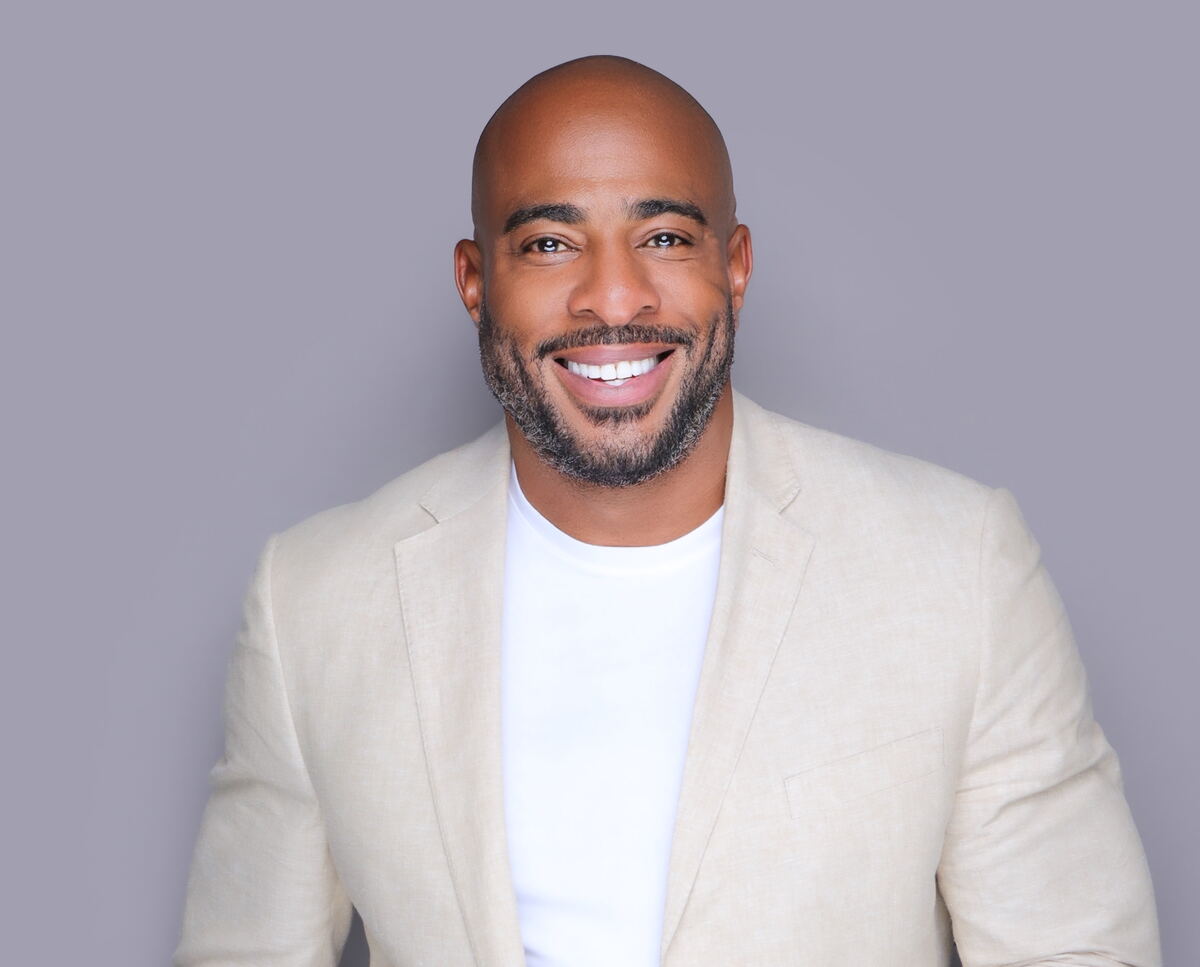
Agu Ukaogo
South Florida Luxury Realtor & Wealth Protection Strategist. FL Real Estate License SL3588365 | Insurance NPN 22138920 | Brokered by Premier Partners | Real Brokerage. HomeWithAgu.com · (305) 791-0812