Downtown Miami in 2026 is not the downtown of ten years ago. It is not even the downtown of five years ago. The urban core of the Magic City has been fundamentally transformed by a decade of corporate relocation, international capital investment, new construction at every price tier, and a demographic shift toward younger professional residents who want to live, work, and build wealth in a walkable urban environment that delivers both lifestyle quality and financial upside. The skyline has been rebuilt. The street-level infrastructure has improved substantially. And the demand for downtown Miami condos — from primary residents, second-home buyers, and rental investors — has never been more structurally grounded.
I'm Agu Ukaogo — South Florida real estate advisor and licensed insurance professional, brokered through Premier Partners | Real Brokerage. My north star: Buy the home. Protect the family. Build the legacy. Downtown Miami condo buyers face a more complex evaluation process than most other Miami-Dade submarkets — building financial health, HOA structure, reserve fund exposure under Florida's SB 4-D legislation, rental restrictions, and the complete carrying cost picture all require careful analysis before any offer. That analysis is exactly what I provide. Not the version that says yes to every building and every price — the version that tells you what is actually worth buying and what is not.
This guide covers everything a serious downtown Miami condo buyer needs to know in 2026 — the market data, the buildings, the neighborhoods within the downtown core, the lifestyle, the schools for families, the investment thesis, and the buying strategy that protects you at every step. Let's get into it.
Why Downtown Miami Is One of America's Most Compelling Urban Real Estate Markets
The case for downtown Miami condos in 2026 rests on structural drivers that are not interest rate-dependent and not sentiment-dependent. The first is corporate migration. The relocation of major financial, technology, and professional services firms to Miami's urban core — Citadel, Blackstone, Ken Griffin's family office, Apollo Global, Microsoft, Spotify, and dozens of smaller firms — has created a permanent professional employment base in downtown and Brickell that did not exist a decade ago. Those employees need housing. Many of them want walkable urban housing. Downtown Miami is delivering that at scale in a way that no other Sun Belt city can match.
The second driver is international capital. Downtown Miami has been a destination for Latin American, European, and increasingly Middle Eastern real estate capital for decades — but the pace of that capital flow has accelerated meaningfully since 2020. The combination of Florida's zero state income tax, the USD safe-haven nature of Miami real estate, and the city's emergence as a genuine global financial center has made downtown Miami a preferred allocation for international investors who want liquidity, legal title, and dollar-denominated asset exposure.
The third driver is the pipeline. The new construction projects delivering in downtown Miami between 2024 and 2027 — Waldorf Astoria Miami Residences, Aston Martin Residences, Okan Tower, and several additional branded luxury projects — represent the highest design and amenity standard that has ever been delivered in this market. Those projects are attracting a buyer profile that has historically gone to Miami Beach or Brickell exclusively, and they are permanently raising the ceiling of what downtown Miami can deliver and command.
I am licensed in both real estate and insurance. Every downtown Miami condo I help clients buy gets a full building financial review — HOA health, reserve fund position, SB 4-D compliance status — plus a complete insurance analysis, in-house, before closing. Buy the home. Protect the family. Build the legacy.
Downtown Miami Condo Market Trends (2026)
The downtown Miami condo market in mid-2026 is operating in two distinct tiers with very different dynamics. The legacy inventory — buildings completed between 1995 and 2015 in the core downtown corridor — has seen meaningful inventory growth over the past eighteen months as some of the SB 4-D reserve legislation's compliance costs have created seller motivation among owners who do not want to hold through the assessment period. For buyers who understand the building financials and can identify the buildings with manageable reserve exposure versus those with serious catch-up assessment risk, this segment represents genuine value — units at prices that are below their 2022 peaks, in buildings that are going through the right process of structural compliance.
The new construction and ultra-luxury tier — Waldorf Astoria, Aston Martin Residences, OKO Group projects, and similar brand-name developments — is operating at or above initial presale pricing in most cases, with strong demand from domestic luxury buyers and international wealth capital. These projects have presold a significant portion of their units and the resale market for delivered units is active at prices that reward early buyers and leave less negotiating room for late-cycle purchasers.
The rental market supporting investment purchases in downtown Miami remains robust in 2026, with vacancy rates in well-managed buildings running below five percent for professionally managed units and rental rates that have held firm despite the increase in rental unit supply from new construction deliveries. The professional tenant pool — corporate employees, finance workers, healthcare professionals, and technology employees — is expanding in line with the employment base growth, and that demand provides ongoing support for rental investment underwriting.
The opportunity in 2026 is in the legacy downtown inventory where motivated sellers, SB 4-D compliance costs, and rising HOA dues have created negotiating room that did not exist in 2021 and 2022. The risk is in overpaying for a building with serious reserve fund exposure that will cost you in assessments within the first two years of ownership. The difference between those two outcomes comes down to building due diligence — and that is exactly what I do before any offer goes in. I will show you which buildings are worth buying in today's market and which ones to avoid.
Average Condo Prices in Downtown Miami
Downtown Miami condo prices in mid-2026 reflect the full range of product types, from entry-level studios in legacy buildings to full-floor ultra-luxury residences in brand-new towers. Here is the honest market picture:
| Unit Type / Building Category | Price Range | Notes |
|---|---|---|
| Studio / 1BR — Legacy Building (pre-2010) | $320K – $520K | Review reserve fund health and SB 4-D compliance before offer |
| 1BR — Mid-Market Building (2010–2018) | $480K – $720K | Better construction vintage; HOA dues trending higher |
| 2BR — Established Building, City Views | $680K – $1.1M | Most active segment; bay view units command significant premium |
| 2BR — Luxury Building, Bay or Water Views | $1.0M – $2.2M | Ten Museum Park, Marquis, Paramount Miami Worldcenter tier |
| 3BR+ — Ultra-Luxury New Construction | $2.0M – $8M+ | Waldorf, Aston Martin, Okan Tower; branded amenity packages |
| Penthouse — Trophy Units | $8M – $30M+ | Full-floor and duplex penthouses; limited inventory; off-market deals |
The complete carrying cost picture for downtown Miami condos goes well beyond the purchase price. HOA dues in downtown Miami range from $800 to $4,000 per month depending on building vintage, amenity package, and management quality. Property taxes on a $700,000 primary residence run approximately $8,000 to $12,000 annually before homestead exemption. Insurance for a condo unit — including the individual unit policy on top of the building's master policy — typically runs $2,500 to $8,000 annually. Any pending or projected special assessments from reserve fund catch-up under SB 4-D must be factored in. I model every single line of carrying cost for every condo buyer before we write an offer. This is the analysis that protects buyers from buying the wrong building at any price.
Lifestyle — What Living in Downtown Miami Actually Looks Like
Downtown Miami delivers an urban lifestyle that is genuinely different from anything else in South Florida — and I mean that as a compliment to buyers who actually want to live in a real city. The walkability score, the density of services and amenities within walking distance, and the energy of the urban core at all hours of the day and night are assets that no suburban address in Miami-Dade can replicate. For buyers who have been living in car-dependent environments and who want to walk to coffee, walk to work, walk to dinner, and walk to the waterfront — downtown Miami delivers that with a consistency and quality that has dramatically improved over the past five years.
Brickell City Centre, a short walk or Metromover ride from most downtown towers, has become one of the best urban retail and dining environments in the Southeast United States. The mix of luxury retail — Saks Fifth Avenue, Louis Vuitton, Apple — anchored alongside restaurants, coffee shops, a cinema, and a curated food hall, delivers a level of street-level convenience that was not available in this part of Miami a decade ago. The Miami Worldcenter development, directly in the downtown core, adds additional retail, hotel, and entertainment infrastructure to the walkable footprint.
The bayfront is downtown Miami's greatest single lifestyle asset. Bayfront Park, the American Airlines Arena waterfront, and the Biscayne Bay walking and cycling path give downtown residents immediate access to the water that many urban dwellers in other cities do not have without a car trip. On any given evening, hundreds of residents can be seen walking, running, and cycling along the bay seawall, enjoying views that remind you this is a genuinely extraordinary place to call home.
The Perez Art Museum Miami (PAMM) and the Frost Museum of Science, both anchored in Museum Park on the bayfront, give downtown residents walkable access to world-class cultural institutions that most U.S. cities would struggle to replicate at comparable distance from a residential address. The Adrienne Arsht Center for the Performing Arts — one of the most significant performing arts venues in the southeastern United States — is steps from several downtown towers and hosts performances that draw audiences from across Miami-Dade and beyond.
Downtown Miami's Top Condo Neighborhoods & Districts
Downtown Miami is not a monolithic district — it contains several distinct sub-markets, each with its own character, building quality, and buyer profile. Here is how I frame the geography for serious condo buyers:
Core Downtown / Biscayne Blvd
The original downtown condo corridor along Biscayne Boulevard and NE 2nd Avenue. Mix of legacy buildings and new construction. Closest to the bayfront, PAMM, and Frost Museum. The most walkable micro-location in the downtown core.
Miami Worldcenter District
The most significant new development in downtown Miami — a 27-acre mixed-use project anchoring the northern end of the core. Paramount Miami Worldcenter and future branded towers here represent the current best of downtown's new construction product.
Museum Park / Bayfront
The premium bayfront district anchored by PAMM and the Frost Museum. One Thousand Museum — Zaha Hadid's only completed residential tower — and the Aston Martin Residences define this corridor as downtown's most architecturally significant address.
Arts & Entertainment District
The corridor north of the core, anchored by the Adrienne Arsht Center and transitioning into Edgewater. Entry-level pricing in an improving area, with proximity to Wynwood and Edgewater's restaurant scenes as the primary lifestyle draw.
Schools for Downtown Miami Families
Schools are a more complex question for downtown Miami buyers than for suburban or village-based buyers, and the honest answer requires nuance. The immediate public school options in downtown Miami proper are limited in the way that urban cores often are — the residential density of a high-rise district does not easily support the neighborhood elementary school model that suburban buyers are accustomed to. Here is the real landscape:
- Bayshore Elementary School: The public elementary serving a portion of the downtown and Brickell area. The school benefits from the investment of its surrounding residential community and has improved its performance rating over the past three years.
- Miami Dade College — Wolfson Campus: Located directly in the downtown core, MDC's Wolfson Campus is a significant educational institution that contributes to the intellectual and professional character of the neighborhood. For residents with older children pursuing two-year degrees or continuing education, having a top-tier community college walkable from home is a genuine asset.
- Magnet and Charter Options: Many downtown families access Miami-Dade's extensive magnet and charter school system, which is one of the largest and most diverse in the United States. Magnet programs at schools throughout Miami-Dade — including the Design and Architecture Senior High (DASH), iPrep Academy, and several IB programs — are accessible to downtown residents through the Miami-Dade school choice system and are typically served by yellow bus service or the Metromover network.
- Private Schools: The proximity of downtown Miami to Coconut Grove, Coral Gables, and the Brickell corridor puts numerous strong private school options within a twenty-minute commute. Ransom Everglades, the Palmer Trinity School, Riviera Day School, and Archbishop Coleman Carroll are all accessible from downtown addresses.
For families where school access is a primary decision driver, I encourage a detailed discussion of your specific school priorities before we narrow our building search. The right building for a family with school-age children may be different from the right building for an investor or a childless professional, and I will help you identify which addresses give you the school access you need alongside the other variables that matter to your purchase.
Dining, Entertainment & Cultural Life
Downtown Miami's dining and entertainment scene has undergone a transformation over the past five years that has made it genuinely competitive with the best urban dining corridors in the country. The combination of Brickell City Centre, the Miami Worldcenter food and beverage program, the bayfront restaurant corridor, and the Wynwood and Design District adjacency gives downtown residents access to a dining ecosystem that would satisfy the most demanding food enthusiast without getting in a car.
The bayfront restaurant corridor along Biscayne Bay — including Cipriani Downtown Miami, Zuma Miami, Area 31 atop the EPIC Hotel, and a growing roster of chef-driven casual concepts — delivers waterfront dining with a sophistication and variety that few American cities can match at this proximity to a residential tower. For residents whose entertaining style centers on restaurant culture, downtown Miami is as well-positioned as any address in South Florida.
The Adrienne Arsht Center brings touring Broadway productions, the Miami City Ballet, the Florida Grand Opera, and a year-round performing arts calendar that gives downtown residents access to high-quality live performance without traveling to a suburban venue. The nearby Olympia Theater, a restored 1920s movie palace that now hosts concerts and community events, adds a historically significant performance space to the cultural infrastructure. And the entire Wynwood arts district — galleries, murals, studios, and restaurants — is accessible by car in ten minutes, by Metromover and walk in twenty-five.
Transportation & Connectivity
Downtown Miami has the best public transportation infrastructure in Miami-Dade County — which is not a high bar historically, but which has improved dramatically and now represents a genuine asset for residents who want to reduce car dependence. The Miami Metromover, a free automated people mover system, connects the core downtown, Brickell, and the Omni area on a network that makes car-free movement within the downtown core genuinely practical. Residents of most major downtown towers are within a five-minute walk of a Metromover station.
The Miami Metrorail's Government Center and Brickell stations provide connections to Miami International Airport in approximately twenty-five minutes — one of the most convenient airport connections from any urban residential address in the southeastern United States. The same Metrorail line connects downtown to the University of Miami, Coconut Grove, and the southern residential suburbs.
By car, downtown Miami's position at the center of the Miami-Dade highway network provides I-95 access to Fort Lauderdale (forty minutes north in normal traffic) and the western suburbs via SR-836. For frequent flyers, the combination of Metrorail airport access and I-95 makes downtown Miami one of the most airport-convenient residential addresses in South Florida. For commuters, many downtown residents find that the Metromover eliminates the need for a car for day-to-day movement within the urban core entirely — a quality-of-life upgrade that Brickell, Edgewater, and other adjacent markets share to varying degrees.
Who Downtown Miami Condos Are Best For
After working with buyers across every segment of the downtown Miami market, here is my honest profile of who this market serves best:
- Urban professionals who work in Brickell, the financial district, or downtown-adjacent employment centers and want to eliminate the car commute and live in a genuinely urban environment. The walkability premium, the transit access, and the Metromover connection make downtown Miami's work-to-home logistics the best in South Florida for this profile.
- Investment buyers seeking strong rental income from the professional and corporate tenant pool that the Brickell and downtown employment base generates. At the right building, the right price, and with accurate rental market underwriting, downtown Miami condos produce yields that are competitive with any urban condo market in the southeastern United States.
- Second-home buyers from Latin America, Europe, and domestic coastal markets who want a Miami address that delivers full urban amenity access, concierge-managed maintenance, and an asset that can be managed remotely when they are not in residence. The full-service building model in downtown Miami's luxury tier is purpose-built for this buyer.
- Urban luxury buyers who want the design and amenity quality of new construction — Waldorf Astoria, Aston Martin, Okan Tower — at a price that positions them in the most architecturally significant new residential product in the city. These buyers are choosing downtown Miami over Miami Beach and Brickell because the new construction pipeline here delivers design and amenity quality that was simply unavailable in this sub-market five years ago.
Downtown Miami condos are a harder fit for buyers who need significant outdoor space and yard access, buyers who need to be very close to strong elementary public schools for young children, or buyers who find urban density and street-level energy stressful rather than energizing. For those buyers, I will point you toward Brickell condos, Edgewater condos, or Miami luxury homes to find the right fit.
New Construction & Development in Downtown Miami
The downtown Miami new construction pipeline in 2026 is one of the most significant in the city's history, and it is permanently reshaping the product quality ceiling for this sub-market. The three flagship projects that are defining downtown's current development moment are worth understanding in detail:
Waldorf Astoria Miami Residences
The first Waldorf Astoria-branded residential tower in the world, rising 100 stories and designed by Sieger Suarez Architects with the full Waldorf Astoria hospitality program. Residences from the 14th to the 58th floor deliver unprecedented height in the Miami market with bay, ocean, and city views from positions that no competitor can replicate. Presales exceeded expectations and the building's amenity program — spa, multiple pools, a residents' club at height — sets the service standard for all future downtown luxury projects.
Aston Martin Residences
Sixty-six floors of branded luxury designed by Revuelta Architecture International with interiors by Aston Martin's own design team. Located on the Miami River at its confluence with Biscayne Bay, the building delivers waterway and bay views from a position that is genuinely unique in the downtown core. The Aston Martin Residences have attracted a global buyer profile — particularly from the Middle East, Europe, and Latin America — and have established the Museum Park corridor as downtown's most architecturally significant new address.
Okan Tower
A 902-foot mixed-use tower within the Miami Worldcenter development footprint, anchoring the northern end of downtown's new construction corridor. Okan delivers residential condominiums, a hotel component, and amenities at a price point that positions it between the legacy mid-market inventory and the trophy ultra-luxury product above. Strong interest from domestic buyers and the Turkish-American community that has driven significant investment in the Worldcenter district.
One Thousand Museum
The only completed residential tower designed by the late Zaha Hadid — a 62-story museum of architecture and engineering that stands as the most architecturally significant residential building in downtown Miami. Full-floor residences with a helipad, private rooftop pool, and the exoskeletal facade that makes the building visible from across Biscayne Bay. A genuinely irreplaceable address in the downtown market and one of the most collectible residential assets in South Florida.
Tips for Buying a Downtown Miami Condo
- Pull the reserve study and the last two years of meeting minutes before you fall in love with any unit. This is the most important due diligence step for any downtown Miami condo purchase in 2026, and it is the step that most buyers skip until I make it mandatory. The reserve study tells you the building's structural and mechanical condition, the estimated cost of future repairs, and whether the current reserve fund is adequate to cover those costs — or whether unit owners face assessment exposure. The meeting minutes tell you what the board has been discussing and what the owners are worried about. I pull both documents for every building I evaluate.
- Understand Florida's SB 4-D requirements and how they apply to your target building. The Surfside Collapse Response Act (SB 4-D) requires all Florida condominiums three stories or higher to complete structural integrity reserve studies and fully fund reserves based on those studies by specific statutory deadlines. Buildings that are not in compliance face significant catch-up assessment obligations. I verify the compliance status of every building I evaluate for buyers and model the potential assessment exposure before any offer goes in.
- Get a full accounting of HOA dues, special assessments, and pending votes before you close. HOA dues in downtown Miami have been trending upward across most building categories as operating costs, insurance costs, and reserve funding requirements increase. Special assessments for roof replacements, facade restoration, lobby renovations, and mechanical upgrades are common in buildings that have not been maintaining adequate reserves. I obtain a current estoppel letter — which itemizes all fees, assessments, and pending votes that will transfer with the unit — before my clients go to closing.
- Verify rental restrictions before you buy, especially if rental income is part of your plan. Downtown Miami condo buildings range from those that allow immediate short-term rental with no minimum lease term to those that impose twelve-month minimum leases, restrict the total number of rentals per year, or prohibit certain rental platforms entirely. If rental income is any part of your ownership thesis, I verify the rental restriction profile before you make an offer — not after.
- Get a unit-specific insurance quote before you are under contract. Condo insurance in Miami has tightened significantly over the past three years, and unit-specific insurance costs — particularly for high-floor units in older buildings or buildings with recent structural findings — can be materially higher than buyers expect. I obtain realistic insurance estimates for every unit I help buyers evaluate before the offer is made.
- Evaluate the building's management quality, not just its amenity list. The quality of a condo building's management company is one of the most important variables in the ownership experience and the long-term value trajectory of a unit, and it is completely invisible in a listing presentation. I know which downtown Miami buildings are well-managed and which ones are managed by firms that are creating the conditions for future dysfunction and expense. That intelligence protects buyers in a way that no amount of listing research can replicate.
- Model the complete monthly carrying cost — not just the mortgage. A $700,000 condo with a $3,000 monthly mortgage at current rates and a $2,500 monthly HOA, $800 in monthly taxes and insurance, and a pending $800 monthly assessment reserve increases represents a $7,100 monthly commitment. That is a very different number than the $3,000 mortgage number that most buyers carry into their first building tour. I build the complete carrying cost model for every downtown Miami condo buyer before we submit any offer.
Ready to Find Your Downtown Miami Condo?
Tell me your budget, your timeline, and whether you are buying to live, invest, or both. I will show you which buildings are worth your time, what the complete cost picture looks like, and how to protect everything you are building before you sign anything.
FAQ — Downtown Miami Condo Real Estate
What is the average condo price in downtown Miami?
In mid-2026, downtown Miami condo prices range from approximately $320,000 for a studio in a legacy building to $30 million or more for trophy penthouses in ultra-luxury new construction. The most active price tier is the $650,000 to $1.1 million range for two-bedroom units in established buildings with bay or city views. The most important number is not the asking price but the complete monthly carrying cost — mortgage, HOA dues, property taxes, insurance, and any pending assessments. I build that full picture for every downtown condo buyer before we write an offer. Call (305) 791-0812 for the real numbers on your target.
Is buying a downtown Miami condo a good investment in 2026?
Yes — for buyers who select the right building, the right unit type, and the right price. The structural demand drivers are in place: corporate migration, international capital, a growing professional tenant base, and new construction that is raising the quality ceiling across the sub-market. The risk factors that require careful navigation are reserve fund exposure under SB 4-D, rising HOA dues, and building management quality. I know which downtown buildings are worth buying and which ones are not in 2026. Call (305) 791-0812 and let's look at the specific investment thesis for your budget and timeline.
What are the best condo buildings in downtown Miami?
The answer depends on what you are optimizing for. For ultra-luxury primary residence quality, Waldorf Astoria Miami Residences, Aston Martin Residences, and One Thousand Museum define the current standard. For investment liquidity and rental income, Ten Museum Park, Marquis Miami, and Paramount Miami Worldcenter have established track records. For value in an improving corridor, the Arts and Entertainment District and Worldcenter-adjacent legacy inventory offer negotiating room that the premium buildings do not. I pull the full financial picture for every building I evaluate for buyers — call (305) 791-0812.
What should I know about HOA fees and reserve funds in downtown Miami?
HOA fees and reserve fund health are the most critical financial variables in any downtown Miami condo purchase. Florida's SB 4-D legislation requires all buildings three stories or higher to complete structural inspections and fully fund reserves based on the results. Buildings that are not in compliance face catch-up assessment obligations that can run $30,000 to $80,000 or more per unit. I have seen buyers receive material special assessments within twelve months of closing because they did not review the reserve study. I pull the reserve study, meeting minutes, and full financial statements for every building I evaluate — this is non-negotiable at any price point. Call (305) 791-0812.
Ready to Buy a Downtown Miami Condo?
Downtown Miami is at an inflection point in its development — a moment where the quality of what is being built, the depth of the corporate employment base, and the sophistication of the buyer pool are all converging to make this sub-market genuinely competitive with the most established luxury addresses in South Florida. Buyers who navigate the building selection carefully, who do the financial due diligence, and who buy the right unit at the right price in 2026 are positioning themselves well for the next chapter of this market's appreciation story.
My job is to make sure you are on the right side of that story. Every building gets a full financial review. Every unit gets a complete carrying cost analysis. Every closing comes with a full insurance structure — homeowners, windstorm, and mortgage protection — handled in-house, with nothing falling through the gap between the transaction and your coverage. That is what Buy the home. Protect the family. Build the legacy. looks like in practice.
If you are ready to explore downtown Miami condos for sale, reach out now. You can also check out my guides to Brickell condos, Edgewater condos, and Miami luxury homes to see the full range of what Miami-Dade's urban luxury market offers. And browse the blog for regular market updates and South Florida buyer strategy.
Call me at (305) 791-0812 or reach out through HomeWithAgu.com. Let's build the plan.
Let's Talk Downtown Miami Condos
One conversation. I'll tell you which buildings are worth your time, which ones have reserve fund risk you need to know about, and what the complete ownership picture looks like at your budget. Then we build the plan.
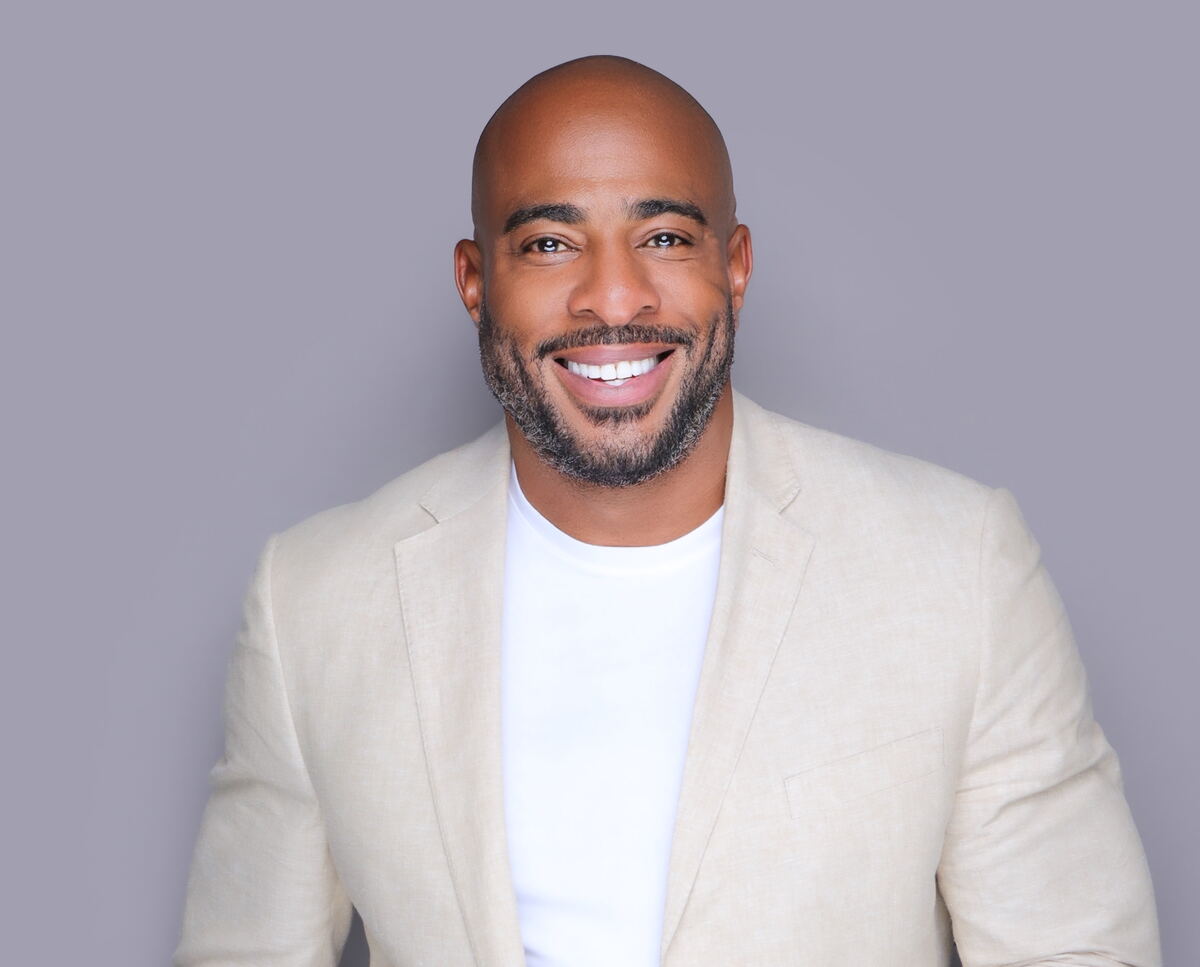
Agu Ukaogo
South Florida Realtor & Wealth Protection Strategist. FL Real Estate License SL3588365 | Insurance NPN 22138920 | Brokered by Premier Partners | Real Brokerage. HomeWithAgu.com · (305) 791-0812