I read the housing data every week, and one number from this month stopped me: Florida just posted the highest foreclosure rate in the country. As of May 2026, roughly one in every 2,110 housing units in the state had a foreclosure filing, and two Florida cities — Lakeland and Punta Gorda — ranked first and second in the nation. That's not a stat I scroll past. Behind every one of those filings is a family that bought a home and then lost it, and I've spent enough years in this business to know almost none of them saw it coming.
So let me tell you what's actually driving it, because the headline gets the story wrong. People assume foreclosure means somebody bought a house they couldn't afford. In Florida in 2026, that's usually not what happened at all. These are families who qualified for their loan, made their payments for years, and still got squeezed — not by the mortgage, but by everything that comes after closing day.
The Mortgage Isn't What Breaks People
Here's the thing most buyers never internalize until it's too late: your mortgage payment is the one number on your home that's supposed to stay still. If you took a 30-year fixed at today's rates — somewhere in the high 6s — that principal-and-interest payment is locked. It will be the same in 2026 and the same in 2036. That's the stable part.
The dangerous part is everything around it. Homeowners insurance premiums in Florida have climbed hard, property taxes have moved with rising values, and condo owners have been hit with special assessments and higher reserve contributions on top of it. Those are the costs that don't sit still. When your insurance renewal jumps and your tax bill rises in the same year your income stays flat, the total monthly cost of owning your home can outrun what your household can carry — even though the loan you signed never changed. That's the squeeze putting Florida at the top of the foreclosure list, and it's why I won't let a client treat insurance and taxes as paperwork.
Most Florida foreclosures aren't a mortgage problem. They're a carrying-cost problem. The loan stays the same — the insurance, taxes, and assessments are what move, and they're what put families underwater.
Why This Hits Florida Harder Than Anywhere
Plenty of states are seeing foreclosure activity tick up — national filings are running up double digits year over year. But Florida sits at the top of the list for reasons specific to living here. We carry real storm and flood exposure, which keeps insurance premiums elevated and volatile. We've had years of fast-rising property values, which lifts tax assessments. And our condo market is still working through the reserve and inspection requirements that followed the Surfside tragedy, which has meant bigger assessments for a lot of owners.
None of that means Florida is a bad place to own a home — I bet my own life and career on this state, and I'd do it again tomorrow. It means owning here demands more planning than owning in a low-cost, low-risk market. The people who get hurt are the ones who budgeted for the mortgage and assumed the rest would take care of itself. The people who do well are the ones who planned for the full picture from the start. I want you in the second group.
What I Walk My Buyers Through Before They Ever Close
When someone sits across from me ready to buy, we don't just talk about the purchase price and the rate. We build the real number — the total monthly cost of actually owning and keeping the home. That conversation has saved more of my clients than any negotiation tactic I've ever used.
| The Carrying Cost | How I Help You Get Ahead of It |
|---|---|
| Homeowners or HO-6 insurance (and it moves yearly) | Shop coverage and deductibles you can actually absorb — and review it every renewal |
| Property taxes that rise with assessed value | File for homestead exemption and budget for realistic increases, not last year's bill |
| Condo or HOA dues and special assessments | Read the reserve study and budget before you fall in love with the unit |
| Loss of income from death, disability, or job loss | Put mortgage protection or a properly structured policy in place at purchase |
That last row is the one nobody wants to talk about and the one I care about most. A lot of foreclosures don't start with a rate or a premium at all — they start with a life event. Someone passes away, someone gets hurt and can't work, a primary earner loses a job. The bills don't pause for grief. I learned that lesson personally when I lost my mother shortly after moving to Los Angeles in 2012, and it changed how I think about protection forever. A home should be the thing that shelters your family through the hardest seasons of life, not the thing you lose because of them.
Buying Into a Rising-Foreclosure Market — The Right Way
Now, if you're a buyer reading this, don't let the headline scare you out of the market. Rising foreclosures don't mean you shouldn't buy. They mean you should buy correctly. The South Florida condo segment is sitting in a buyer's market right now, with real supply and real negotiating leverage for well-qualified buyers. That's an opportunity — as long as you don't stretch to the absolute edge of your approval to seize it.
The single biggest mistake I see is buying right up to the maximum a lender will approve. That number is the bank's idea of the most you can technically pay — it leaves zero room for a Florida insurance premium to jump or a tax bill to rise. I tell my clients to buy below that ceiling on purpose, so the carrying costs have somewhere to grow without threatening the home. Leverage in negotiation is a gift. Stretching past your real budget to use it is how the gift turns into the trap.
Don't buy the most house the bank will approve. Buy the house that still leaves you breathing room when the insurance renewal and the tax bill both land in the same month — because in Florida, eventually they will.
Buy the Home. Protect the Family. Keep the Legacy.
This is exactly why I built my practice the way I did — licensed in both real estate and insurance, because the purchase and the protection were never supposed to be two separate conversations. Getting you into the home is the easy part. Making sure you keep it through every season your family is going to live through is the part that actually matters, and it's the part most agents hand off and walk away from.
Florida leading the nation in foreclosures isn't a reason to fear this market. It's a reminder that owning here is a long game, and the people who win it are the ones who plan past closing day. Buy within a number you can carry. Protect the home and the income behind it. Revisit your coverage every year as the costs move. Do those things and you're not gambling on a market — you're building something that holds, for you and for whoever comes after you.
Let's Build a Number You Can Actually Carry
Tell me what you're considering and I'll help you map the true cost of owning it — mortgage, insurance, taxes, and the protection that keeps the home yours through anything.
Frequently Asked Questions
Why does Florida lead the nation in foreclosures in 2026?
As of May 2026, Florida posted the highest foreclosure rate in the country — roughly one in every 2,110 housing units with a filing — and Lakeland and Punta Gorda ranked one and two nationally. The mortgage itself is rarely the trigger. The bigger pressure is the cost of carrying the home after closing: homeowners insurance premiums and property taxes that have climbed sharply across Florida. When those carrying costs rise faster than a family's income, the monthly cost becomes unmanageable even on a loan they originally qualified for. Activity is still rising from historically low levels and remains far below the 2008-era peaks, but the trend is real.
How can South Florida homeowners protect themselves from foreclosure?
Protection starts before you close. Budget the full carrying cost — mortgage, insurance, property taxes, HOA or condo dues, and a reserve for special assessments — not just the loan payment. Build an emergency fund covering several months of that full number. Lock in insurance with a deductible you can actually absorb, and revisit it every year because Florida premiums move. And put income protection in place — mortgage protection or a properly structured life policy — so a death, disability, or job loss doesn't put the home at risk. The families who get into trouble almost always skipped one of these steps.
Is now a bad time to buy in South Florida because foreclosures are rising?
No — rising foreclosures don't mean you shouldn't buy, they mean you should buy correctly. The condo segment is in a buyer's market with real negotiating leverage, and well-qualified buyers who budget for the true cost of ownership are in a strong position. The buyers who get hurt are the ones who stretch to the edge of approval and treat insurance and taxes as afterthoughts. Buy within a number that leaves room for Florida's carrying costs to rise, protect the purchase properly, and you're building equity in a market that still has strong long-term demand underneath it.
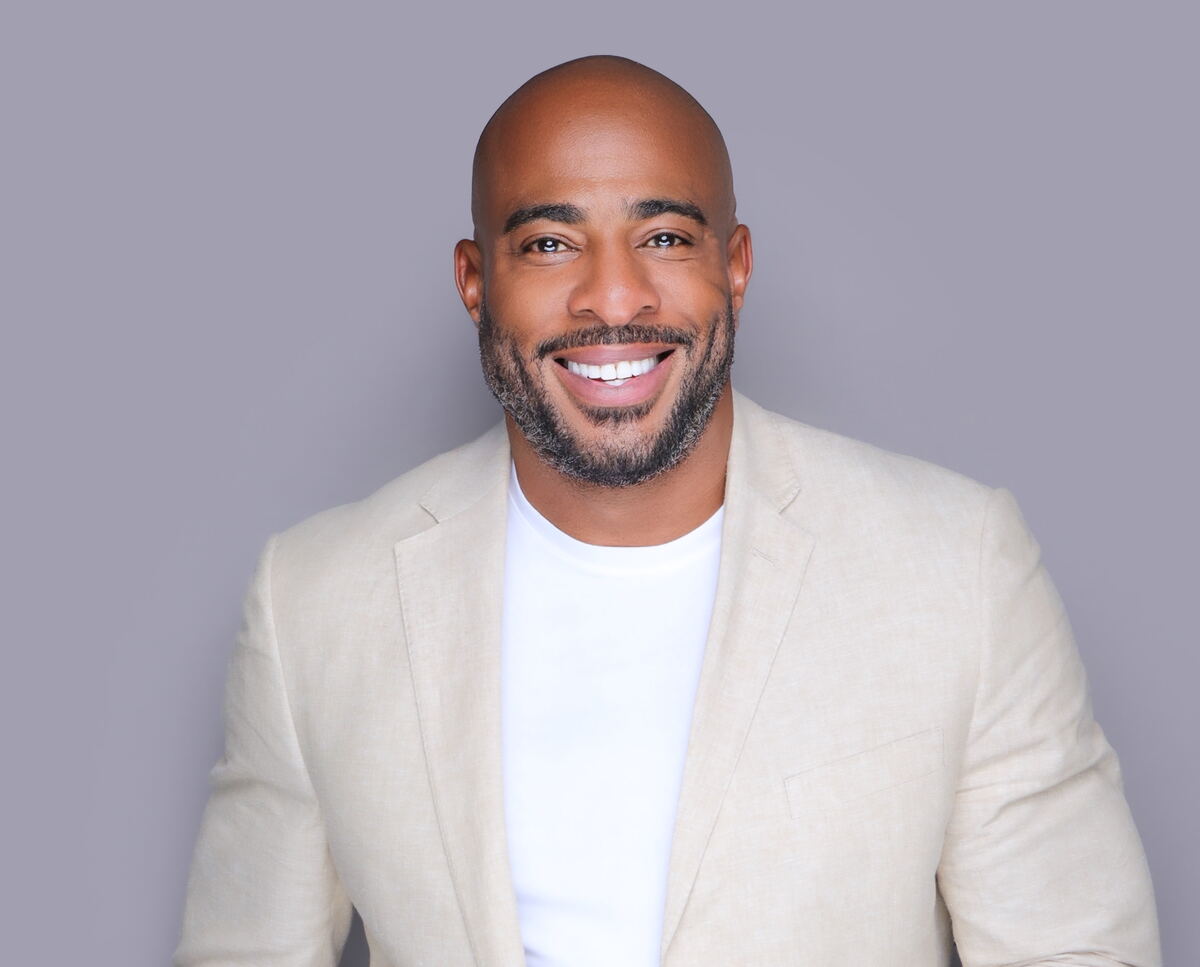
Agu Ukaogo
South Florida Luxury Realtor & Wealth Protection Strategist. FL Real Estate License SL3588365 | Insurance NPN 22138920. One of the few advisors in Miami licensed in both real estate and insurance. HomeWithAgu.com · (305) 791-0812