A client sat across from me last month, checkbook practically open, ready to wire the full price of a Brickell condo. "Everybody's paying cash," he told me. "I don't want to lose the deal." He wasn't wrong about the market. He was about to be very wrong about his own finances.
Here's the headline that's driving people like him: in 2026, roughly 38.7% of all Miami-Dade home sales closed all cash. Among existing condos, the cash share hit nearly 50%. And at the very top — deals above $10 million — a staggering 81% were all cash. So yes, cash is setting the pace in South Florida. The question I make every client answer before they write that check is a different one: just because cash is king in this market, does that mean it should be king in your plan?
I've spent years on both sides of this — closing real estate transactions and building the wealth-protection plans that sit underneath them. And I can tell you the most expensive mistake I see isn't overpaying for a home. It's becoming house-rich and cash-poor the day you get the keys.
Why Cash Is Winning Right Now
Two forces are stacking the deck toward cash. The first is rates. With the 30-year sitting around 6.5%, financing simply costs more than it did three years ago, so buyers who can sidestep it often do. The second is who's buying. South Florida keeps drawing high-net-worth people fleeing high-tax states — and from abroad, where foreign investment jumped 42% in a single year to $4.4 billion. A lot of those buyers are minimally sensitive to interest rates. They're not financing a lifestyle; they're parking wealth.
So when you walk into a Miami negotiation, you're often standing next to someone who can close in two weeks with no loan contingency. That's real, and you have to respect it. But I never let a client confuse what wins the deal with what protects the family. Those are two separate questions, and the buyers who win long-term answer both.
What Paying All Cash Actually Costs You
On the surface, cash looks like pure upside: no interest, no lender, a stronger offer. And in a competitive market, those things matter. But the cost of cash is the cost you don't see on the closing statement — it's everything that money can no longer do for you.
You lose your liquidity cushion. When every dollar goes into the walls, you have nothing left for the roof that fails, the hurricane deductible, the special assessment, the business opportunity, or the simple emergency that life always sends. I've watched people buy a beautiful home and then have to borrow against it at a worse rate eighteen months later because they left themselves no margin.
You concentrate your risk. A home is one asset, in one market, that you can't sell a slice of when you need $40,000. Tying up the majority of your net worth in a single illiquid property is the opposite of how wealth gets protected. Real estate belongs in a balanced plan — not as the plan.
You give up flexibility you can't easily buy back. Money used is money committed. Once it's in the home, getting it out means selling, refinancing, or taking a line of credit on the market's terms and timeline, not yours.
The dangerous buyer isn't the one who finances. It's the one who pays all cash because everyone else is, drains their reserves to do it, and walks into homeownership with no cushion. In South Florida, where insurance, taxes, and assessments can move on you, being illiquid isn't a flex — it's a vulnerability. Buy the home. Don't bankrupt the safety net that's supposed to keep it.
When Cash Genuinely Makes Sense
I'm not anti-cash. For the right buyer, in the right situation, it's the smart play. Cash makes sense when paying it still leaves you with healthy reserves — generally a year or more of expenses untouched. It makes sense when you're competing for a property where speed and certainty truly win, and the seller will trade price for a clean, fast close. It makes sense at the very top of the market, where buyers are wealthy enough that the interest savings outweigh what that capital would earn elsewhere. And it makes sense when the math is honest: when the return you'd get investing that money is genuinely lower than the mortgage rate you'd pay.
The point isn't to avoid cash. It's to choose it on purpose, after running the numbers — not to reach for it out of fear because a headline told you everyone else is.
How I Help Clients Stay Competitive Without Going Illiquid
Here's the part most buyers never hear, because most agents aren't also licensed on the protection side. You can compete with cash buyers and stay liquid at the same time. There are real strategies for it.
Get fully underwritten, not just pre-qualified. When your loan is underwritten up front, your financed offer closes almost as cleanly and quickly as cash. To a motivated seller, a buyer who is locked, loaded, and certain to close is worth nearly as much as a cash buyer — sometimes more.
Consider delayed financing. In the right scenario, you buy with cash to win the deal, then pull a mortgage back out within roughly six months and restore your liquidity. You get the competitive punch of cash and the cushion of financing. It's a sequencing move, and it works beautifully when it's planned in advance.
Protect the loan you do take. If you finance, the mortgage should never become a weight your family can't carry. This is exactly where my two licenses meet: I make sure the right life and disability coverage sits behind the loan, so if something happens to the earner, the home stays in the family instead of becoming a crisis. That's mortgage protection done correctly — not an add-on, but part of the buying plan from day one.
Before you decide cash or financing, answer this: if I write this check, do I still have enough set aside to handle a bad year without touching this home? If the answer is yes, cash may be your move. If it's no, financing isn't weakness — it's the discipline that keeps the home yours. Buy the home, protect the family, build the legacy. In that order, every time.
Paying Cash Fits You If You…
- Keep a year-plus of reserves untouched after closing
- Want maximum offer strength in a competitive bid
- Have a return lower than today's mortgage rate
- Are buying at the top tier and rate-insensitive
- Plan to recast or pull delayed financing later
Think Twice About Cash If You…
- Would drain your emergency reserves to do it
- Are putting most of your net worth in one asset
- Have no plan for a hurricane deductible or assessment
- Could earn more investing the capital elsewhere
- Are only paying cash because "everyone else is"
My Take, As Someone Who Lives Both Sides
I've reinvented my own life enough times to know that real security never comes from a single big move — it comes from staying flexible enough to survive the next surprise. A home is one of the best assets you'll ever own. It is not a place to bury every dollar you have and call it safe. The Miami market rewards cash right now, and I'll help any client compete for the win. But I'll never let you confuse winning the deal with protecting your future. The buyers I'm proudest of didn't just get the keys. They kept their cushion, protected their families, and built something that lasts.
Cash or Financing — Let's Run Your Real Numbers
Tell me the home you want and what your reserves look like, and I'll show you which path keeps you competitive and liquid — plus how to protect whatever loan you take so it never becomes a burden. Real strategy, no pressure.
Frequently Asked Questions
Should I pay all cash for a home in Miami in 2026?
It depends on what paying cash does to the rest of your financial life. In 2026, roughly 38.7% of all Miami-Dade sales and nearly half of condo sales closed all cash, and 81% of $10 million-plus deals were cash. Cash can win the deal and save years of interest — but if it drains your reserves and leaves you house-rich and cash-poor, it can be the most expensive decision you make. The right answer keeps you liquid, protected, and able to handle a surprise without selling the home.
Why are so many Miami buyers paying cash right now?
Two forces. Mortgage rates near 6.5% make financing more expensive, so buyers who can avoid it often do. And South Florida keeps attracting high-net-worth buyers from high-tax states and abroad — foreign investment alone hit $4.4 billion in 2025, up 42% — many of whom are minimally rate-sensitive. The result is a market where cash sets the pace. That doesn't make cash right for you; it means you need a strategy, not just a checkbook.
How can I stay competitive in Miami without paying all cash?
Get fully underwritten before you shop so your offer closes as cleanly as cash. Consider delayed financing — buy with cash to win, then pull a mortgage back out within about six months to restore your liquidity. And protect the loan you take with the right life and disability coverage so the mortgage never burdens your family. You can compete with cash buyers without becoming illiquid; that's the kind of plan I build before a client ever writes an offer.
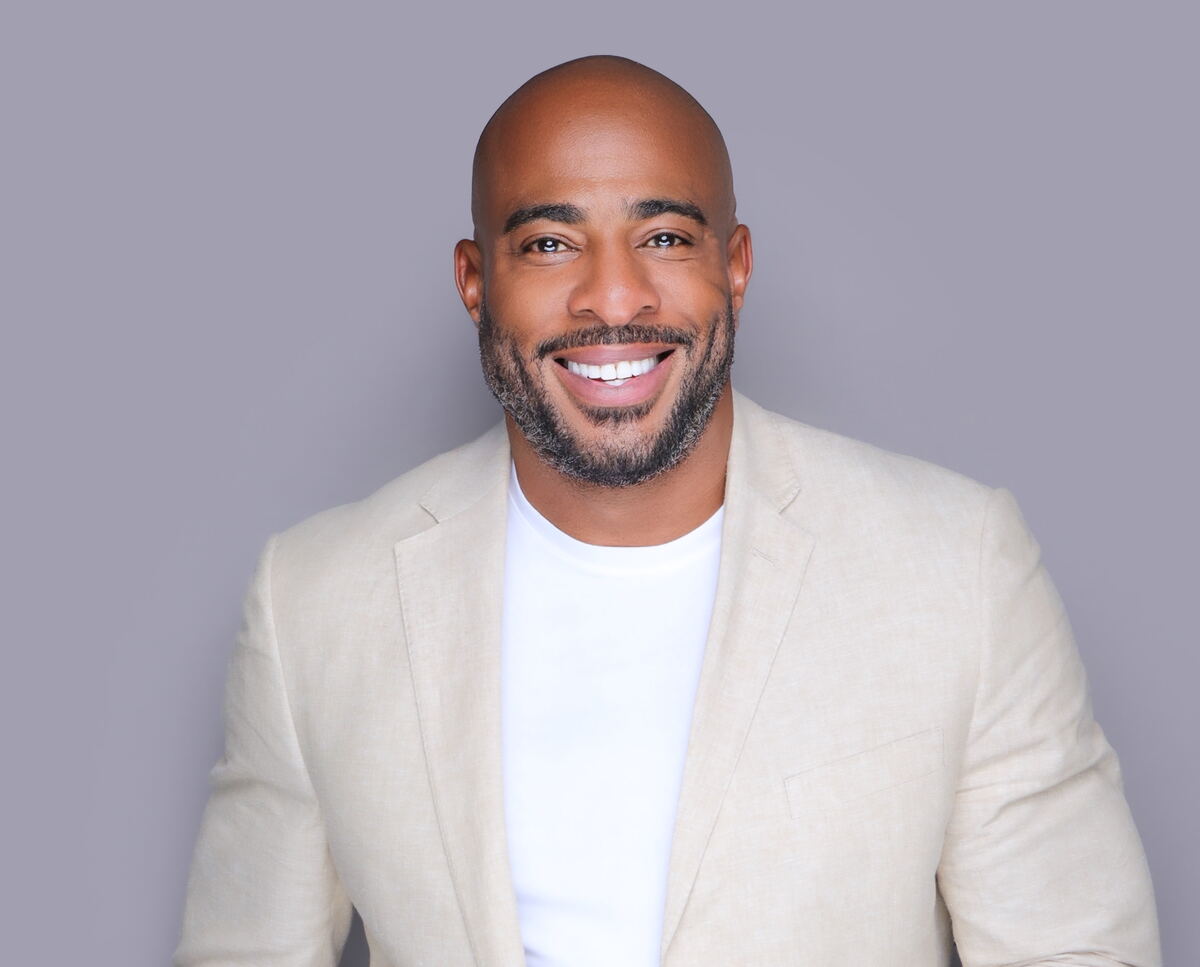
Agu Ukaogo
South Florida Luxury Realtor & Wealth Protection Strategist. FL Real Estate License: SL3588365. Bridges real estate transactions with life insurance and wealth protection that keeps homes in families. HomeWithAgu.com · (305) 791-0812