Here's a number that tells you almost everything about who is buying South Florida right now: foreign buyers poured roughly $3.2 billion into Miami-Dade real estate over the past year, led by Colombian capital — and once again, Miami ranked the number-one U.S. market for international home buyers. Not one of the top markets. The top market.
I grew up between two worlds — Lagos roots, an Omaha upbringing — so I notice the way money crosses borders looking for a place that feels safe. And I can tell you from the closings I sit in: the buyer flying in from Bogota, Sao Paulo, Toronto, or Mexico City is not chasing a trend. They're moving capital into a hard asset, in dollars, in a city that already feels like home to them.
Let me break down what this foreign demand actually means — because whether you're an international buyer yourself or a local trying to figure out where you have leverage, this shapes your whole strategy.
The Numbers Behind the Demand
Sit with the contrast in those cards. On one hand, the broader condo market is carrying elevated inventory — roughly 13 to 14 months of supply in many segments, well above the balanced 9-to-12-month range. On the other hand, the $1 million-plus condo tier posted one of its strongest first quarters ever, up more than 15% year over year, with foreign capital doing a lot of the heavy lifting. That is not one market. That is two markets living at the same address.
Why Miami, Specifically
I get asked this by buyers who could park their money anywhere. The answer is always some combination of the same forces. No state income tax, which matters as much to a business owner in Medellin as it does to one leaving New York. Direct flights that turn Miami into a two-or-three-hour commute from half of Latin America and much of Europe. A currency story — a Miami condo is a dollar-denominated asset that holds value when a home currency doesn't. And a lifestyle that, for these buyers, doesn't feel foreign at all.
That's the part people from outside the region miss. For a Colombian family, Brickell isn't an exotic bet. It's a neighborhood where the language, the food, and the community already feel like home. When a place feels like home and preserves wealth in dollars, demand doesn't turn off when rates tick up. It just gets more selective.
International money doesn't spread evenly across the market — it concentrates. It goes to new full-amenity towers, waterfront, and trophy addresses. That concentration is exactly why the top of the Miami market stays firm while the resale middle softens. Knowing which side of that line a property sits on is the whole game.
What This Means If You're the Foreign Buyer
If you're buying from abroad, the demand you're part of is a strength — but it's also why preparation matters. I walk international clients through the pieces most first-time cross-border buyers underestimate:
Structure the purchase before you fall in love with a unit. How you hold title — personally, through an LLC, or another entity — has real tax and estate consequences, especially for non-residents. That's a conversation to have with a cross-border tax advisor before you write an offer, not after.
Cash wins, but plan the protection. Many international buyers close in cash. That's leverage in a negotiation, but an all-cash Miami condo still carries Florida's real costs — insurance, HOA, and the milestone-inspection reserves that newer condo law now requires. Price those in from day one.
Vet the building, not just the view. Reserves, the structural inspection, and the insurance picture matter more than the finishes. I've seen buyers from overseas fall for a lobby and inherit a special assessment. The building has to qualify as much as the unit has to inspire you.
What This Means If You're a Local Buyer
Here's what I don't want you to take from the headlines: that $3.2 billion in foreign money has priced you out. It hasn't. Because international demand concentrates at the top and in new construction, the resale condo market — older buildings, non-trophy inventory — is where domestic buyers still have genuine leverage. That's the same softness I broke down in how Miami buyers can use today's condo leverage.
My advice to local buyers is simple: don't compete where the foreign capital is pooling. Go where it isn't. A well-located resale condo in a solid building, bought from a seller who's been sitting through 13-plus months of supply, is a very different negotiation than bidding on a shiny new tower unit against a cash buyer from abroad. Same city, opposite leverage.
Where Demand Is Firm
- New full-amenity condo towers
- Waterfront and trophy addresses
- Brickell, the beaches, branded residences
- $1M+ tier fueled by foreign & relocating buyers
- Dollar-preservation purchases
Where Buyers Have Leverage
- Resale condos in older buildings
- Non-trophy inventory carrying long days on market
- Segments with 13+ months of supply
- Sellers who've already cut once
- Buildings with clean reserves but soft demand
The Deeper Signal
When international buyers keep voting for a city with billions of dollars, year after year, they're telling you something a monthly inventory report can't: they believe in the floor under this market. That's the same conviction driving the corporate and wealth migration I wrote about in what South Florida's corporate migration means for buyers and the recovery story in the South Florida condo market turnaround. Foreign capital, corporate HQs, and out-of-state wealth are all leaning on the same demand floor.
But a strong market is where the work begins, not where it ends. I tell every client the same thing whether they flew in from Colombia or drove down from New York: buy the home, protect the family, build the legacy — in that order. A trophy condo held in dollars is a beautiful thing. A trophy condo held in dollars, wrapped in the right title structure, the right insurance, and a plan to keep it in the family for the next generation — that's a legacy.
Buying Miami — From Down the Street or Across the World?
Whether you're moving capital in from abroad or hunting resale leverage as a local, I'll help you find the side of this market where you win — and structure the purchase to protect it.
Frequently Asked Questions
Is Miami still the top U.S. market for foreign real estate buyers?
Yes. Miami-Dade recorded roughly $3.2 billion in foreign-buyer sales, led by Colombian buyers, keeping Miami the number-one U.S. market for international home buyers. Latin American, Canadian, and European capital continues to concentrate in Brickell, the beaches, and new full-amenity condo towers, supporting luxury values even while overall condo inventory has risen.
Does strong foreign demand mean local buyers have no leverage in Miami?
No. Foreign capital concentrates in trophy new-construction and waterfront product, while the broader resale condo market is carrying elevated supply — around 13 to 14 months in many segments. That split means well-prepared domestic buyers can still negotiate hard on resale condos and older buildings even as international demand keeps the top of the market firm.
Why do international buyers prefer Miami over other U.S. cities?
Miami offers no state income tax, direct flights across Latin America and Europe, a dollar-denominated hard asset, and a lifestyle that reads as home to buyers from Bogota, Sao Paulo, Toronto, and beyond. For many, a Miami condo is both a residence and a wealth-preservation vehicle held in dollars, which is why demand holds up through rate cycles.
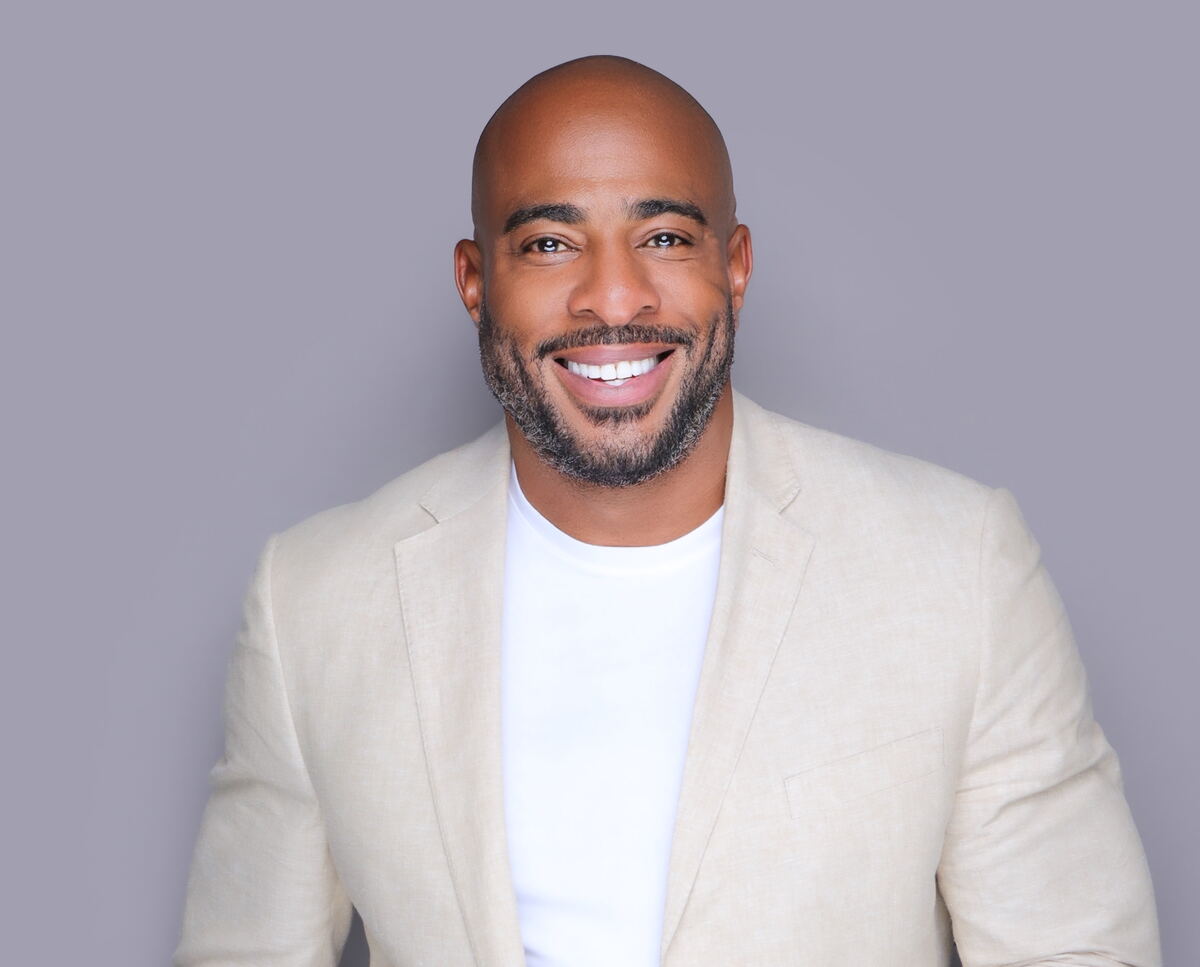
Agu Ukaogo
South Florida Luxury Realtor & Wealth Protection Strategist. Licensed in both real estate and life insurance. Bridges real estate transactions with the financial protection that keeps homes in families. HomeWithAgu.com · (305) 791-0812