I grew up in Omaha working a paper route at 12 and moved out on my own at 16, so when I read a headline that Miami-Dade just posted a 35% jump in $10 million-plus home sales, my first instinct isn't envy — it's attention. Numbers like that aren't gossip about rich people buying penthouses. They're a signal. They tell you where serious money believes the future is, and after a life spent reinventing myself in one city after another, I've learned to respect what the smartest capital in the room is voting for with its own dollars.
So let me tell you what's actually happening at the top of the South Florida market right now, why it matters even if you're nowhere near an eight-figure budget, and the one lesson I pull out of it for every single client I work with.
What the Numbers Actually Say
Here's the headline in plain terms. Miami-Dade sales of homes priced at $10 million and above climbed roughly 35% as the ultra-luxury market kept thriving. Step back and the picture gets even clearer: South Florida has been averaging close to one $10 million-plus sale every single day, after logging 361 of those closings in 2025 — one of the strongest ultra-luxury years this region has ever seen.
This isn't a one-month blip or a single trophy sale skewing the average. It's a sustained pattern. And it's happening at the same time the broader condo market has cooled into a buyer's market with elevated inventory. Two stories, one region, moving at completely different speeds. That contrast is the whole point, and I'll come back to it.
When the top of a market accelerates while the middle relaxes, you're not looking at a bubble — you're looking at a region that global capital keeps validating. That's a place you want to own something in.
Why the Money Keeps Coming
The ultra-luxury surge isn't random. It's being driven by a structural shift in where wealth wants to live. High earners and their families keep migrating out of high-tax states and planting roots in South Florida — for the tax climate, yes, but also for the lifestyle, the safety, the airports, and the simple fact that Miami has become a genuine global city. Layer international buyers on top of that domestic wave, and you get steady, deep demand at the very top.
I've watched this up close. The people making these moves aren't chasing a quick flip. They're relocating their lives, their businesses, and their balance sheets. That's the kind of demand that doesn't evaporate the moment interest rates twitch, because it was never about a mortgage rate in the first place. It was about where these families want to build the next chapter — and increasingly, the answer is here.
The Cash Story Is the Real Lesson
Here's the number that should stick with you. Across all of Miami-Dade, roughly 43% of transactions close in cash. But on properties listed above $10 million, that figure climbs to nearly 59%. Almost six out of ten ultra-luxury deals happen with no bank involved at all.
Now, most of my clients aren't writing $10 million checks. But the reason those buyers pay cash is the exact lesson I want you to take away, whatever your budget is. They're not paying cash because they have to. They're doing it because a clean, financing-free offer closes faster, carries less risk for the seller, and wins the deal when there's competition. At that level, certainty is the real currency. The strongest offer isn't always the highest one — it's the one the seller believes will actually make it to the closing table.
I teach every buyer to think this way. Whether you're paying cash or financing, your job is to make your offer feel like a sure thing: strong pre-approval, clean terms, a realistic timeline, and an agent the other side trusts. The ultra-luxury buyers just do it with a wire. You can do it with preparation.
| What the Ultra-Luxury Boom Shows | How I'd Have You Use It |
|---|---|
| Eight-figure sales up ~35% on wealth migration | Trust that you're buying into a region serious money keeps choosing |
| Nearly 59% of $10M+ deals close in cash | Make your offer feel certain, whatever the price point |
| Top of market surging while condos sit in a buyer's market | Use today's mainstream leverage to negotiate hard right now |
| Demand rooted in relocation, not rate speculation | Buy for the long hold; don't wait for a rate cut that may not come |
What This Means If You're Not Buying at $10 Million
This is where I get practical with my clients, because the ultra-luxury headline can make a normal buyer feel like the whole market is running away from them. It isn't. Remember the two-speed story: while the top surges, the broader condo market is firmly in buyer's-market territory — more supply, longer days on market, and real room to negotiate.
That gap is your opportunity. You get to buy into the same region that global capital keeps validating, but you do it while you hold the leverage in your segment. Negotiate the price, negotiate the terms, take your time on inspections and on understanding a building's finances before you commit. The ultra-luxury buyer at the top and the smart condo buyer in the middle are both winning right now — they're just winning in different ways. Don't let the eight-figure headlines rush you into overpaying when the middle of the market is handing you patience and leverage.
Don't Buy the Trend Without Protecting the Asset
Here's where being licensed in both real estate and insurance changes how I coach people. Those ultra-luxury buyers paying cash aren't leaving the rest to chance — behind the scenes, the serious ones have their wealth structured and protected. The house is one piece. The plan around it is what actually preserves what they've built.
You should think the same way at any price point. Before you close, I want you clear on your homeowners or HO-6 coverage, your windstorm deductible, and — if you're a high earner relocating with this wave — how the right protection structure keeps the wealth behind the purchase actually secure. That's the whole philosophy I bring to every client: buy the home, protect the family inside it, and structure things so you're building a legacy instead of just making a purchase. The people at the top of this market already operate that way. There's no rule that says you can't.
How I'd Sum It Up
A 35% surge in $10 million sales isn't a story about other people's money. It's a signal that the smartest, most mobile capital in the country keeps choosing South Florida — and it's giving you a rare split-screen market where the top races ahead while the middle hands you leverage. Read both stories. Buy into the validated region, use the negotiating room you actually have, make your offer certain, and protect what you buy. Do that, and you're not chasing a boom. You're building on it.
Let's Read This Market Together
Tell me your budget and your timeline, and I'll show you exactly where the leverage is for you right now — and make sure the purchase is protected before you write an offer.
Frequently Asked Questions
How much did Miami-Dade $10 million-plus home sales grow in 2026?
Miami-Dade sales of homes priced at $10 million and above climbed roughly 35% as the ultra-luxury market continued to thrive in 2026. South Florida has been averaging close to one $10 million-plus sale per day, after logging 361 closings above $10 million in 2025 — one of the strongest ultra-luxury years the region has ever recorded. The gains are being driven by wealth migration from high-tax states and steady international demand.
Why do ultra-luxury buyers in Miami pay cash?
In the ultra-luxury tier, speed and certainty win deals. Cash buyers account for roughly 43% of all Miami-Dade transactions, but on properties listed above $10 million that share climbs to nearly 59%. At that level, buyers aren't paying cash because they have to — they do it because a clean, financing-free offer closes faster and beats competing bids. The lesson for buyers at every price point is the same: certainty is leverage, and the strongest position is the one a seller trusts will actually close.
What does the Miami ultra-luxury boom mean for regular buyers in 2026?
It means the top of the market and the middle are moving at different speeds, and that gap is an opportunity. While eight-figure sales surge on wealth migration and cash, the broader condo market sits in a buyer's market with elevated inventory and real negotiating room. A buyer who understands both stories can use today's leverage in the mainstream segment while buying into the same region global capital keeps validating. Negotiate hard now, and protect the purchase properly before closing.
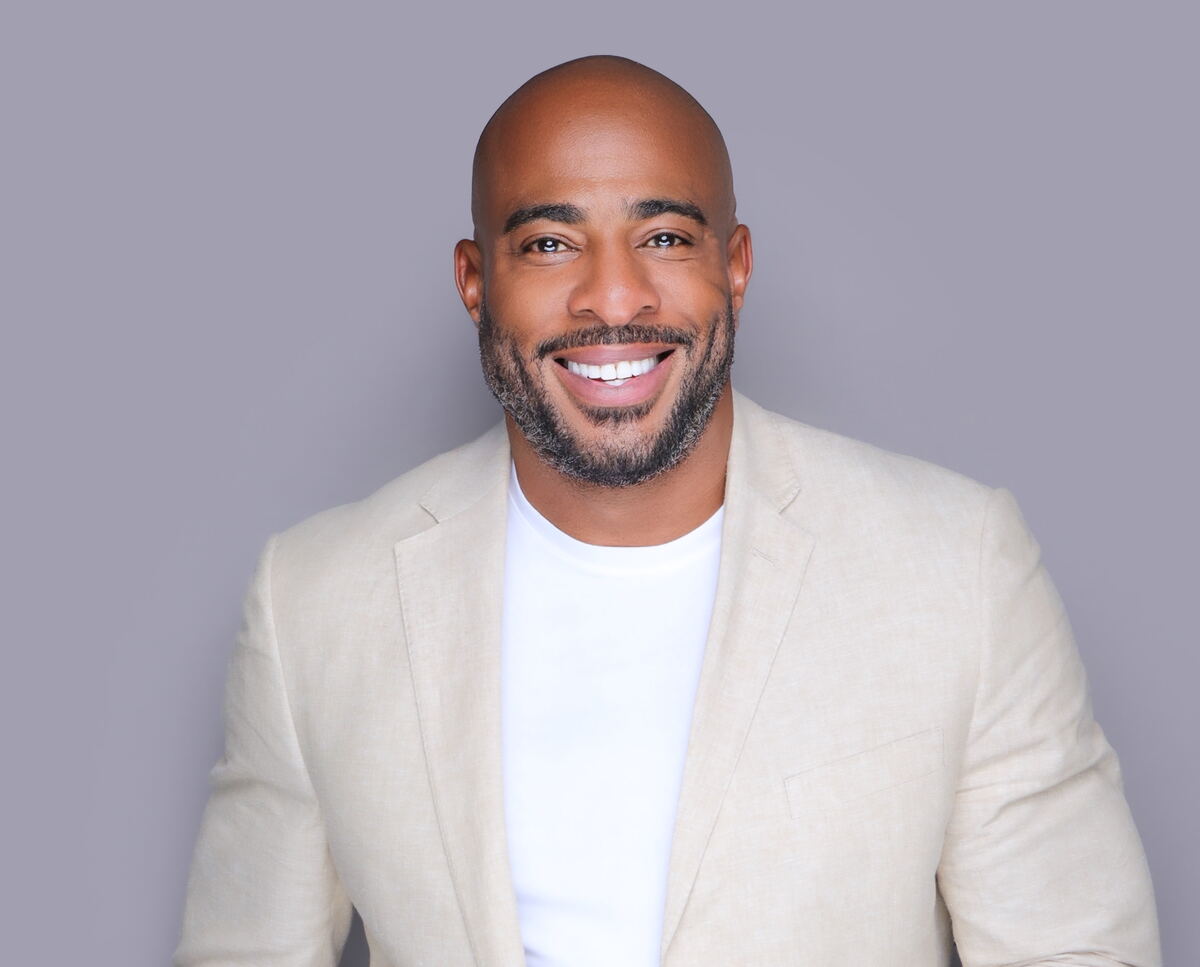
Agu Ukaogo
South Florida Luxury Realtor & Wealth Protection Strategist. FL Real Estate License SL3588365 | Insurance NPN 22138920. One of the few advisors in Miami licensed in both real estate and insurance. HomeWithAgu.com · (786) 417-1897