People throw the phrase "Wall Street South" around like it's a marketing slogan. It isn't. I watch it show up in the actual transactions I work on and hear about across Brickell every month — a fund principal buying a penthouse before his firm has even announced the move, a family office quietly assembling units in a new tower, an offer that comes in all cash and closes in three weeks flat. I've reinvented myself enough times in my own life to recognize a real transformation when I'm standing inside one, and Miami's shift from vacation town to financial capital is the real thing.
If you're thinking about buying here — especially in Brickell, Edgewater, or along the water — you need to understand this force, because it's shaping who you're competing against and how you have to show up. So let me break down what's actually happening, what the numbers say, and how I'd position you to win in it.
Why the Money Is Moving Here
Strip away the noise and it comes down to three things: taxes, talent, and lifestyle. Florida has no state income tax. For a hedge fund partner or a founder who keeps the lion's share of what they earn, that's not a rounding error — it's millions of dollars a year that stay in the family instead of going to Albany or Sacramento. Add year-round sun, direct flights everywhere, and a business climate that actually wants them here, and the math writes itself.
The anchor everyone points to is Ken Griffin, who relocated Citadel to Miami, has poured over $670 million into Brickell real estate, and is building a headquarters tower on the water that will reshape the skyline. But the story isn't one billionaire — it's the ecosystem that follows an anchor like that. When a major firm plants its flag, the rival funds, the service firms, the young analysts, and the wealth that supports all of them start moving too. That's how a neighborhood becomes a financial district, and it's exactly what's happening in Brickell right now.
The finance migration isn't a seasonal trend that reverses — it's structural demand from people who moved their families and their firms here for good. That's the kind of demand you want underneath a home you're about to buy.
What the Numbers Actually Say
This is where it stops being a story and becomes something you can plan around. Roughly 70% of Miami transactions above $1,000 per square foot are all cash. At the very top, it's even more extreme — about 81% of $10 million-plus purchases in 2025 closed in cash. Zoom out to the whole county and cash still made up around 44% of Miami-Dade closings early this year, versus roughly 27% nationally. That gap is the fingerprint of wealth-migration money.
And the volume backs it up. Miami's million-dollar-plus condo market just posted one of its strongest first quarters ever, with sales up more than 15% year over year, and total MLS dollar volume across the region hit a record $62.2 billion in 2025. Wealth isn't trickling in — Florida is now adding people at a record pace, and a meaningful slice of them are the high earners this whole "Wall Street South" label describes.
What This Means If You're Buying
Here's the part where I have to be straight with my clients, because the headlines can scare people into two bad reactions. The first bad reaction is panic — assuming the finance money has priced you out and you shouldn't even try. The second is denial — pretending you can shop like it's a sleepy buyer's market with no competition. Neither is right. The truth sits in between, and it's actually good news for a prepared buyer.
The finance wave concentrates on trophy assets: waterfront, brand-new luxury towers, penthouses. That's real competition, and if you're chasing those, you'd better bring cash or a rock-solid, fast-closing offer. But one tier below that headline inventory, the condo market is firmly a buyer's market with well over a year of supply. There is negotiable, high-quality inventory where an everyday buyer holds real leverage — as long as you show up prepared instead of hesitant.
| What the Finance Money Does | How I'd Position You for It |
|---|---|
| Pays cash and closes fast on trophy units | Get fully pre-approved or proof-of-funds ready before you tour |
| Concentrates on waterfront and new towers | Target the strong tier just below the headline inventory |
| Creates sticky, structural long-term demand | Buy in durable locations, not the cheapest unit on the board |
| Leaves a buyer's market a tier down | Negotiate hard now; the demand tailwind is your long game |
Compete Like You Belong Here
When I work with buyers going up against cash, the difference between winning and losing usually isn't money — it's preparation and nerve. Cash buyers win because they're certain and fast. You can borrow a lot of that advantage. Get your financing fully underwritten up front so your offer reads almost as clean as cash. Keep your contingencies tight and reasonable. Be ready to decide in hours, not days, on the right unit. And work with someone who knows which sellers are actually motivated and which buildings have the reserves to hold value — because a cheap unit in a troubled building isn't a deal, it's a liability.
This is the same instinct that's carried me through every reinvention in my life: read where things are going, position early, and move with conviction while other people are still hesitating. The buyers who win in Brickell right now aren't the ones with the most money. They're the ones who came ready.
Don't Buy the Demand Without Protecting the Asset
Being licensed in both real estate and insurance changes how I coach buyers through a market like this. A lot of people chasing a hot neighborhood pour all their attention into the purchase and treat protection as paperwork for later. That's backwards, especially in Florida. Before you close, I want you to understand your HO-6 or homeowners coverage, your windstorm and flood exposure, and — if you're one of those relocating high earners — how the right structure keeps the wealth you're moving here actually protected. The whole point of coming to a no-income-tax state is to keep more of what you build; protect it accordingly.
That's the philosophy behind everything I do. Buy the home — and in this market, buying well is a genuine opportunity even with the big money in the room. Then protect the family inside it, and structure things so you're building a legacy instead of just making a purchase. The finance migration is the wind at your back. Protection is what keeps you standing when the weather turns. You want both.
How I'd Sum It Up
Wall Street South isn't a headline to skim — it's a structural change putting a long, sticky floor of demand under the exact neighborhoods serious buyers care about. Yes, you're competing with cash at the top. But a tier down, today's buyer's-market supply hands you real leverage, and the finance wave is building durable value underneath it. Come prepared, buy in the right location, protect the purchase, and you're not chasing a trend — you're planting yourself in front of where this city is clearly headed.
Let's Get You Ready to Compete
Tell me what you're considering and I'll help you target the right Brickell inventory, structure an offer that stands up to cash, and make sure the purchase is protected before you sign.
Frequently Asked Questions
Why is finance money moving to Miami?
Taxes, talent, and lifestyle. Florida has no state income tax, which matters enormously to high earners and to firms whose partners keep most of what they make. Hedge funds, family offices, and fintech companies have relocated to escape the operating costs and tax exposure of states like New York, California, and Illinois. It usually starts with the principal buying a personal home here, then moving the firm. Ken Griffin relocated Citadel to Miami, has invested over $670 million in Brickell, and is building a headquarters tower on the water. Once one anchor moves, the ecosystem follows — which is why people call Brickell "Wall Street South."
How much of the Miami luxury market is all cash?
A lot. Roughly 70% of Miami transactions above $1,000 per square foot are all cash, and at the very top it's higher — about 81% of $10 million-plus purchases in 2025 closed in cash. Overall, cash was around 44% of Miami-Dade closings early this year, versus roughly 27% nationally. That's the fingerprint of finance and wealth-migration money: buyers who don't need a mortgage and can close fast. If you're financing you're not locked out, but you need to structure your offer and timeline knowing you're often up against cash.
Can a regular buyer still compete in Brickell in 2026?
Yes — and it's a decent window to do it. The condo segment is in a buyer's market with well over a year of supply, so even with finance money in the market, everyday buyers have real leverage on the right units. The finance wave concentrates on trophy waterfront and brand-new towers; there's strong, negotiable inventory a tier below that where a prepared buyer wins. The keys are getting fully pre-approved or proving funds up front, moving decisively, buying in a building with healthy reserves, and protecting the purchase properly before closing.
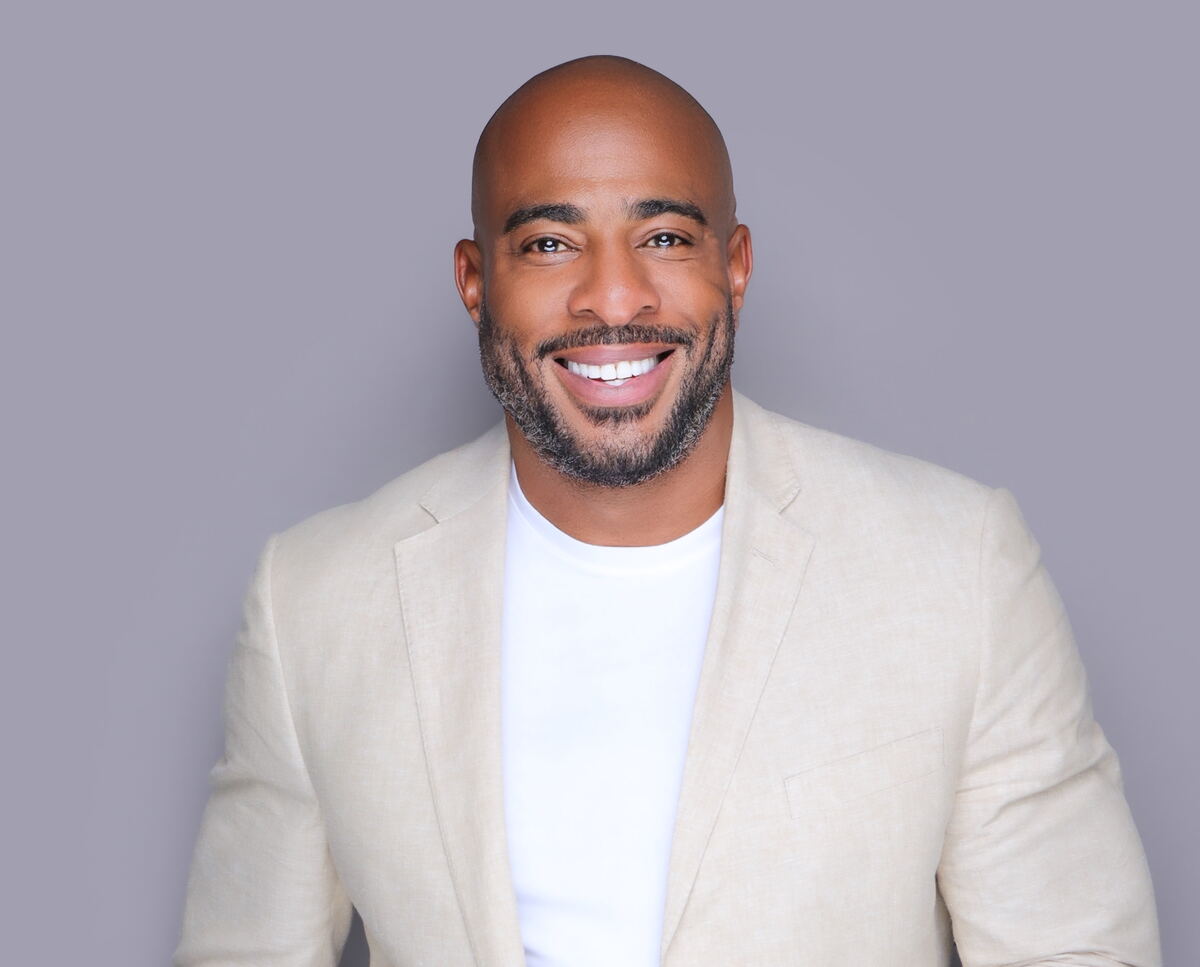
Agu Ukaogo
South Florida Luxury Realtor & Wealth Protection Strategist. FL Real Estate License SL3588365 | Insurance NPN 22138920. One of the few advisors in Miami licensed in both real estate and insurance. HomeWithAgu.com · (786) 417-1897