I'm Agu Ukaogo. I've moved my whole life — Lagos roots, raised in Omaha, built a career in Los Angeles, rebuilt it here in South Florida. I know what it costs to pick up and start over, and I know the questions you're too proud to ask out loud. When I read migration data, I'm not reading a chart. I'm reading people I've sat across a table from.
I get a version of this question every week: "Is everybody really moving to Florida, or is that just something realtors say?"
Fair question. Most housing headlines are noise. So let me show you the one number I actually trust, because it can't be faked by search traffic, moving-truck marketing, or anybody's listing feed.
When you establish residency in Florida, you have 30 days to swap your out-of-state driver's license for a Florida one. You don't do that when you're daydreaming. You do it when your bed is here. In the first half of 2026, out-of-state driver license exchanges in the South Florida counties of Miami-Dade, Broward, Palm Beach, Martin, and St. Lucie rose 16% to 39,698, according to MIAMI REALTORS' analysis of Florida Highway Safety and Motor Vehicles data.
Here's the part almost nobody quotes: across the entire state of Florida, exchanges rose only 3%. So this isn't a Florida story. It's a South Florida story. We are pulling in five times the growth rate of the state we're in.
Who's Actually Coming — and Why It Matters to You
Three states sent 38% of everyone who traded in a license here: New York (+9%), New Jersey (+8%), and California (+16%). And it isn't just the usual suspects. Exchanges rose across 45 states and Washington, D.C.
In Miami-Dade alone, the growth by feeder state tells you exactly who is landing at MIA with a one-way ticket:
| County | License Exchanges (H1 2026) | Year-Over-Year | What It Means for Buyers |
|---|---|---|---|
| Miami-Dade | 12,769 — highest in Florida | +20% | Deepest condo inventory, most leverage |
| Palm Beach | 12,338 | +14% | Finance money, tightest luxury supply |
| Broward | 10,334 | +23% | Fastest growth, middle on price |
| St. Lucie | 3,033 | −4% | Cooling — the far-north bet is fading |
| Martin | 1,224 | −3% | Small, quiet, not where the wave is |
Look at Miami-Dade's mix: California up 24%, Texas up 27%, Georgia up 52%, New York up 5%. Georgia up 52% is the one that made me sit forward. That's not retirees. That's Atlanta professionals in their thirties and forties, and I've been working with more of them every quarter.
South Florida in-migration grew 16% while the rest of Florida grew 3%. Every one of those 39,698 people needs somewhere to live, and most of them rent first and buy within 12 to 24 months. That's demand that hasn't hit the closing table yet — sitting in leases right now, in a market where condo supply still gives buyers the upper hand. That gap between today's leverage and tomorrow's demand is the whole opportunity.
Why the Tax Divide Is Getting Wider, Not Narrower
People assume this migration is a leftover from 2021. It isn't. The gap between what those states take and what Florida takes is still opening.
- New York's pied-à-terre surcharge. Signed into law in May 2026, it hits non-primary-residence condos and co-ops assessed at $1 million or more with a surcharge of roughly 4% to 6.5%, and larger single-family homes with a smaller one. Second homes in Manhattan just got materially more expensive to hold. I've already had two conversations this year that started with "we're selling the New York place."
- California's proposed wealth tax. A one-time 5% tax on net worth aimed at roughly 200 billionaires with California residency goes to voters this November. Whether or not it passes, the signal has landed — and California exchanges into Miami-Dade were already up 24%. People with real assets don't wait for the vote. They move first and read the results from a beach.
- Florida going the other direction. The homestead exemption expansion on the November ballot would raise the non-school exemption from $50,000 to $150,000 in 2027 and $250,000 in 2028. One state is raising the cost of owning. The other is lowering it.
I don't tell clients to move for taxes alone. Taxes are a reason, not a life. But when the arithmetic runs this hard in one direction for this long, the migration doesn't reverse in a year.
Where These Buyers Are Actually Landing
Here's where most relocation articles fail you. They say "move to Miami" as if it's one place. It's five counties and about forty distinct markets, and choosing wrong costs you more than overpaying by 3% ever will.
Brickell & Downtown
Where the New York transplant with an office lands. Vertical, walkable, and deep enough in inventory that you can still negotiate.
Aventura & Sunny Isles
The Northeast family default — schools, ocean access, and a Broward/Miami-Dade split commute that actually works.
Fort Lauderdale & Las Olas
Broward grew fastest at 23% for a reason. Waterfront square footage at a discount to Miami-Dade, and my own office is on Las Olas.
West Palm Beach
Where the finance relocation is concentrating. Palm Beach County posted 12,338 exchanges — and the luxury supply there is the tightest in the region.
Coral Gables & The Grove
For California families trading canyon for canopy. Historic, green, A-rated schools, and consistently the least soft condo market we have.
Wynwood & Edgewater
The under-40 pick. Newer towers, creative and tech energy, and the neighborhood Atlanta and Austin transplants keep gravitating toward.
The Mistake I Watch Transplants Make
They arrive, rent for a year in the wrong county, and then buy in a rush when the lease is up. I understand the instinct — I've been the new guy in a new city more than once. But you end up making the biggest financial decision of the move under the most time pressure.
Do it this way instead:
1. Pick the county before you pick the condo
Miami-Dade, Broward, and Palm Beach are three different markets with three different price structures, tax bases, and commutes. Where your work, your kids' schools, and your weekends actually live decides this. Not the skyline photo.
2. Use the leverage while you still have it
Condo supply across Miami-Dade is running well above a balanced market, and 39,698 new residents in six months tells you where absorption is heading. You're buying in the window between soft inventory and arriving demand. That window closes quietly, not with an announcement.
3. Read the building's financials before you fall in love
This is where out-of-state buyers get hurt worst. Since Florida tightened reserve and milestone-inspection rules, two identical-looking units can carry completely different futures — one with funded reserves, one with a six-figure special assessment coming. I've talked clients out of gorgeous units in broke buildings. That conversation is the job.
4. Establish residency cleanly
Get the Florida license, register to vote and register your vehicles, file a Declaration of Domicile, update your estate documents under Florida law, and keep records showing more than 183 days here. New York and California audit this. Do it right the first time and the savings are yours to keep.
Don't buy where the migration already peaked — buy where it's accelerating. Martin and St. Lucie counties actually declined this year while Broward grew 23% and Miami-Dade grew 20%. Chasing a cheaper price forty-five minutes north of the jobs is how people end up owning the slowest-appreciating asset in the fastest-growing region in the country.
Protect What You're Bringing With You
Buying the home is the first pillar. Protecting the family is the second. Building the legacy is the third. I've watched too many people execute the first and skip the other two, and the move is exactly when the gaps open up:
- Your old employer's coverage may not follow you. If the relocation comes with a job change, group life and disability coverage can end the day the employment does. Signing a South Florida mortgage while uninsured is a risk I won't let a client take quietly. Mortgage protection means that if something happens to you, the loan is paid and your family keeps the home instead of listing it.
- Keep liquidity when you buy. Plenty of relocating buyers can pay cash and shouldn't put every dollar into one unit — not while they're changing states, jobs, and cost structures at the same time. There's a way to buy strong and keep reserves working.
- Insurance here is its own education. Wind, flood, and HOA master policy coverage don't work the way they do in New York or California. Get your quotes before your inspection period closes, not after.
Deal Alerts
Get South Florida Deal Alerts for Your Move
New listings, neighborhoods, and market openings for your relocation — before the crowd sees them. Plus your Move to South Florida Kit — free, instant download.
Almost 40,000 people made this move in six months. Some of them bought well, in the right county, in a building with funded reserves, with their family protected on the way in. Others took the first thing with a water view. The data doesn't tell you which one you'll be. That part's a decision.
If you're ready to make the move, I'm ready to help you do it right. Call me at (786) 417-1897 or visit HomeWithAgu.com. Let's build something real.
Ready to Make the Move?
I'm Agu Ukaogo — a South Florida luxury realtor and wealth protection strategist who helps relocating families buy the right home and protect what they've built. I've made the reinvention myself. I'll help you do it right.
Frequently Asked Questions
How many people are moving to South Florida?
Out-of-state driver license exchanges across Miami-Dade, Broward, Palm Beach, Martin, and St. Lucie rose 16% in the first half of 2026 to 39,698, per MIAMI REALTORS' analysis of Florida Highway Safety and Motor Vehicles data. Statewide exchanges rose only 3%, so South Florida is capturing a disproportionate share. New residents must swap their license within 30 days of establishing residency, which makes this one of the cleanest measures of who is actually moving rather than just searching.
Which states are sending the most people to South Florida?
New York, New Jersey, and California made up 38% of exchanges in the first half of 2026 — New York up 9%, New Jersey up 8%, California up 16%. In Miami-Dade specifically, California rose 24%, Texas 27%, and Georgia 52%. Exchanges increased across 45 states and D.C., so the inflow is broad rather than concentrated in one or two feeder markets.
Which South Florida county should I buy in?
Miami-Dade led all Florida counties with 12,769 exchanges and offers the deepest condo inventory and the most buyer leverage. Palm Beach followed at 12,338 and is where finance and wealth management relocations concentrate. Broward grew fastest at 23% and sits in the middle on price. Pick the county where your work, schools, and weekends actually live — the price difference between counties is smaller than the cost of a bad commute.
Is it too late to buy in South Florida?
No — and the data is the argument. Condo supply still favors buyers while 39,698 new residents arrived in six months, most of them renting first and buying within 12 to 24 months. You're in the gap between soft inventory and arriving demand. That's the opposite of too late.
Will the New York and California tax changes really push more people to Florida?
The direction is already visible in the data. New York's pied-à-terre surcharge on $1M+ non-primary residences took effect July 2026, and California's proposed one-time 5% net worth tax goes to voters in November — while Florida's homestead exemption expansion would cut property taxes here. California exchanges into Miami-Dade were already up 24% before any of those votes were counted.
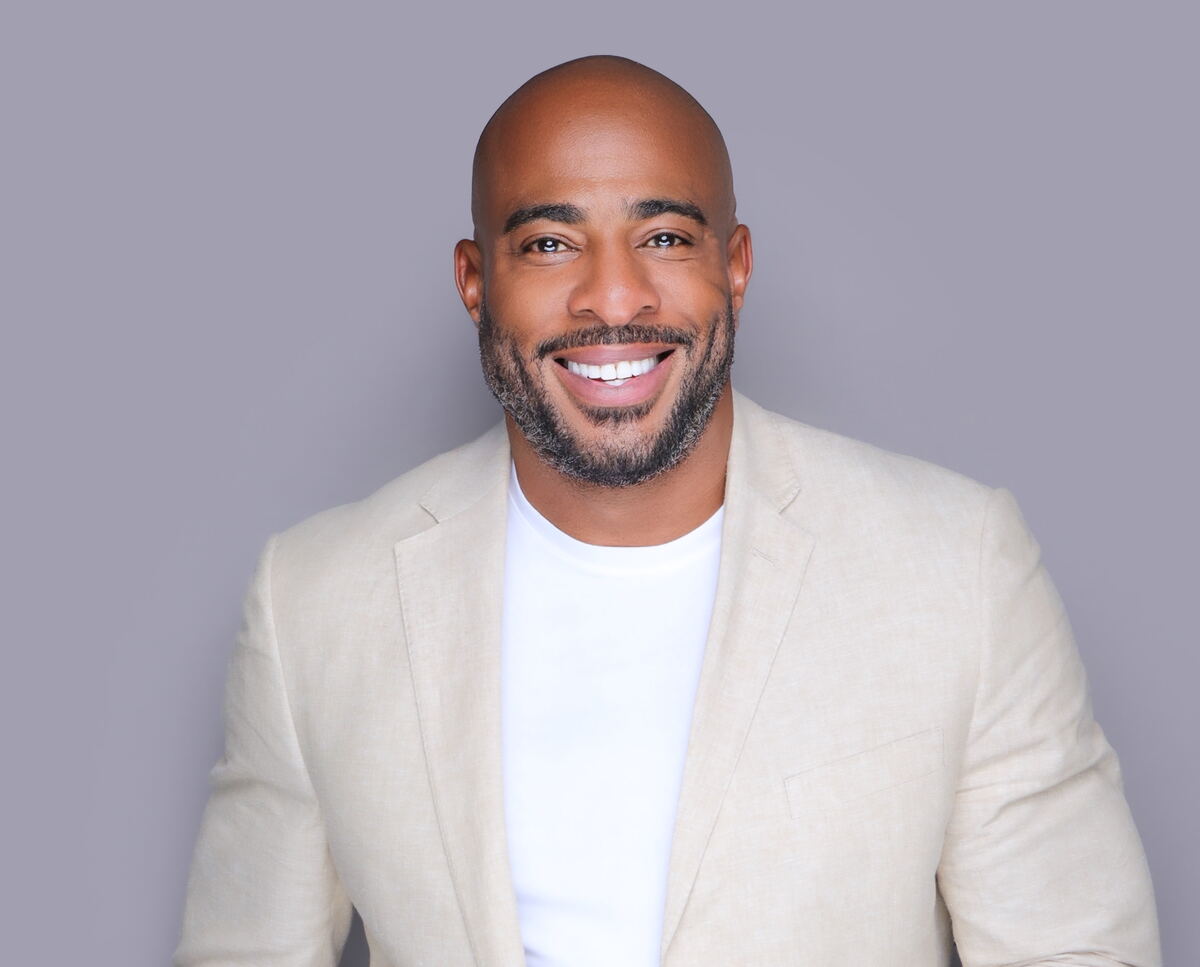
Agu Ukaogo
South Florida Luxury Realtor & Wealth Protection Strategist. Licensed real estate professional and insurance advisor. Helping buyers, investors, and out-of-state transplants navigate South Florida real estate and protect their wealth. HomeWithAgu.com · (786) 417-1897