I want to tell you where my north star comes from. The phrase I come back to in every client conversation — Buy the home. Protect the family. Build the legacy. — is not a marketing line I inherited or invented for branding purposes. It reflects something I believe at the core of everything I do professionally: that the financial decisions you make today create either a foundation or a gap for the generation that comes after you. And the difference between the two is almost always a plan.
I'm Agu Ukaogo — South Florida real estate advisor (FL License SL3588365) and licensed insurance professional (NPN 22138920), brokered through Premier Partners | Real Brokerage. I work with South Florida families who are serious about what happens after they've built something. They've bought the home, or they're close. They've protected the family, or they're working on it. And now they're asking the question that defines the third phase: How do I make sure what I'm building lasts?
What Legacy Planning Actually Means
Legacy planning is a broader concept than most people realize. Estate planning — the legal documents, the will, the trust, the powers of attorney — is a component of legacy planning. But legacy planning starts before death and before documents. It's the strategy you build during your lifetime to maximize what you have to pass on, to protect it from erosion during the transfer, and to ensure the people who inherit it have the financial literacy and structural support to keep it growing.
For South Florida homeowners, legacy planning has a specific shape. The assets in play are typically: real estate equity in an appreciating market, life insurance death benefits, retirement account balances, and investment savings. Each of these transfers differently at death, carries different tax implications, and plays a different role in what the next generation actually receives. Legacy planning coordinates all of them with intention rather than leaving the transfer to chance or to default rules that may not serve your family well.
Wealthy families don't just accumulate assets — they build structures that allow those assets to survive the transfer from one generation to the next. The structures aren't complicated, but they require intentionality. Most families never build them because they assume there's time to get to it later. There is always less time than you think.
Real Estate as the Anchor of a Legacy Strategy
In South Florida, real estate is often the most powerful generational wealth tool available — and one of the most underutilized, because most homeowners don't think of their property through a legacy lens.
Here's what I mean. A family buys a home in Miami in 2010 for $400,000. By 2026, that property is worth $1.1 million. The unrealized gain is $700,000. If the family sells it during their lifetime, they owe capital gains tax on most of that appreciation — potentially $140,000 to $175,000 in federal taxes alone, depending on their income and the specific asset. But if that same property transfers to their children at death, the cost basis steps up to the current market value. The children inherit the $1.1 million property with a $1.1 million basis. If they sell it immediately, they owe no capital gains tax on the $700,000 of appreciation that occurred during their parents' lifetime. That is an enormous tax advantage that effectively multiplies the wealth transferred.
This is why I tell clients who are thinking about legacy: don't be in a rush to sell real estate that has appreciated significantly. The step-up in basis at death is one of the most powerful wealth transfer tools in the tax code, and South Florida's appreciation trajectory makes it especially valuable here.
South Florida Real Estate That Builds Legacy
Not all real estate is equal as a legacy vehicle. The properties that build the most powerful legacies tend to share certain characteristics: they're in markets with structural demand drivers, they appreciate over long time horizons, and they're held rather than flipped. South Florida is one of the best markets in the country for this approach.
Coral Gables
Historic estate homes with strict architecture codes that protect property values. Strong school zones and limited new supply make these properties multigenerational holds with consistent appreciation.
Key Biscayne
Island community with permanently constrained supply. Properties here have a structural scarcity premium that tends to persist across market cycles.
Coconut Grove
Waterfront lots and historic character attract a buyer base that values permanence. Coconut Grove properties have strong generational ownership patterns.
Pinecrest
Large lots, excellent schools, and a family-focused community make Pinecrest one of the strongest multigenerational hold markets in Miami-Dade.
If you're thinking about real estate as part of a legacy strategy, explore our Miami luxury market guide for a deeper look at the neighborhoods and property types that have the strongest long-term fundamentals.
Life Insurance in the Legacy Plan — The Estate Liquidity Tool
One of the most common — and most expensive — problems in estate planning is a liquid shortage. A family owns substantial real estate in South Florida. They've built significant equity. But their liquid savings are comparatively modest. When the primary income-earner dies, the estate may owe debts, final expenses, and in some cases, estate taxes. If the cash isn't there, heirs are forced to sell real estate under pressure — often at less than market value, and often exactly the opposite of what the original owner wanted.
Permanent life insurance solves this problem directly. The death benefit arrives immediately, in cash, income-tax-free. It provides the liquidity that allows heirs to settle debts, pay any applicable estate costs, and keep the property intact — rather than selling it to meet obligations. For South Florida homeowners with significant real estate equity and a legacy intention around that property, permanent life insurance is not just a protection tool. It's an estate completion tool.
IUL for Generational Wealth — The Long Game
An Indexed Universal Life (IUL) policy held over a 20 to 30 year horizon can become a significant wealth transfer vehicle in its own right. Here's why.
The cash value inside an IUL compounds over time based on index-linked crediting with a 0% floor. Over three decades, even moderate crediting rates produce a substantially larger account value than the premiums paid. At death, the death benefit — which is typically the higher of the face amount or the cash value plus an additional insurance amount — transfers to beneficiaries income-tax-free.
For clients who fund an IUL in their 40s and hold it to life expectancy, the death benefit plus accumulated cash value can represent a multiple of the total premiums paid, all transferred without income tax at death. This is why sophisticated families use permanent life insurance not just for protection but as a wealth amplification tool designed to pass more to the next generation than was put in.
There are strategies specifically designed around this concept — commonly called life insurance retirement plans (LIRPs) or legacy maximization strategies — where the policy is structured to maximize the death benefit at life expectancy rather than prioritizing accessible cash value during life. I work with clients who want to explore these approaches and model out what the numbers look like across different time horizons.
What the Legacy Planning Conversation Looks Like
- We map the full asset picture. Real estate equity, life insurance, retirement accounts, investment savings, business interests if applicable. Everything in the picture, valued honestly. This is the baseline for what the legacy actually looks like.
- We identify the transfer gaps. What assets have outdated beneficiary designations? What properties are owned in ways that create probate exposure? What liquid gap exists between what's there and what's needed to transfer the estate cleanly?
- We address the liquidity need. Permanent life insurance sized to cover estate costs, debt settlement, and equalization among heirs. The goal is that nobody has to sell anything under pressure to settle the estate.
- We optimize the real estate strategy. Should this property be sold now or held for the step-up in basis? Should it go into a trust? Should it be gifted while alive and if so, how? These are conversations I have alongside estate attorneys.
- We build the IUL layer if appropriate. For clients with a long time horizon and a wealth multiplication goal, structuring a permanent policy specifically for legacy transfer.
- We connect you with the right professionals. Estate attorneys, CPAs, and financial planners. I don't pretend to do everything — I bring the real estate and insurance expertise, and I help you build the right team around the plan.
The Personal Side of Legacy Planning
I want to be honest about something. The most powerful legacy conversations I have are not about numbers. They start with numbers — you have to know what's there before you can plan for it. But they always get to something deeper: what you want your family to have, what you want them to remember, what difference you want the assets you've built to make in the generation that comes after you.
For many of my clients, the first person in their family to own real estate in America. The first person to build real wealth in a country they or their parents came to from somewhere else. That's not abstract to me. I work with families from Nigeria, from Haiti, from Colombia, from Cuba — families who came here with a vision of building something that would last. When I help them plan their legacy, I'm not just arranging financial structures. I'm helping them honor the vision that brought them here in the first place.
That's what Buy the home. Protect the family. Build the legacy. means to me on the days when it's more than a tagline. It's a commitment to the work that outlasts any single transaction.
I have clients I've worked with through a first home purchase, through a refinance, through adding mortgage protection insurance, through expanding into investment property, and now into retirement and legacy planning conversations. That's not an accident. It's the result of building the kind of relationship where the advisor's goal is the client's long-term outcome — not the next transaction. If you're looking for that kind of relationship, I'm here.
Let's Build Something That Outlasts You
One conversation about where you are, what you've built, and what you want to leave behind. We'll map the full picture and identify what's in place, what's missing, and what to do about it.
FAQ — Legacy Planning in Florida
What is legacy planning and how is it different from estate planning?
Estate planning is the legal process of distributing assets after death — wills, trusts, beneficiary designations. Legacy planning is broader. It includes estate planning but also encompasses the financial strategies you build during your lifetime to maximize what you pass on and the insurance structures that protect and multiply those assets at death. Legacy planning asks not just "who gets what?" but "how do I build something worth passing on, and how do I transfer it as efficiently as possible?" For South Florida homeowners, that means coordinating real estate equity, life insurance, retirement accounts, and estate documents into a coherent strategy.
How does real estate fit into a legacy plan in South Florida?
South Florida real estate is one of the most powerful generational wealth transfer tools available. Property transfers to heirs with a stepped-up cost basis, which can eliminate capital gains tax on decades of appreciation — potentially hundreds of thousands of dollars in tax savings. In markets like Miami and Fort Lauderdale where appreciation has been substantial, the step-up in basis is an enormous advantage. Real estate also provides rental income potential, inflation protection, and a tangible asset that families can hold and pass through multiple generations. I help clients think through how their real estate fits into the total legacy picture rather than treating it as an isolated investment.
How does life insurance create generational wealth in a legacy plan?
Permanent life insurance — particularly an IUL — transfers its death benefit income-tax-free to beneficiaries. For a well-funded policy held over 20 to 30 years, the death benefit can represent a significant multiple of premiums paid, all passing without income tax. Life insurance also solves the estate liquidity problem: if your estate is asset-rich but cash-poor (substantial real estate, limited liquid savings), the death benefit ensures heirs can settle debts and keep the property rather than selling under pressure. These two functions — tax-free wealth transfer and estate liquidity — make permanent life insurance one of the most effective legacy tools available to South Florida families.
The Bottom Line — Legacies Are Built, Not Stumbled Into
Nobody accidentally leaves a powerful legacy. The families whose wealth compounds across generations made intentional decisions: they bought real property in markets with structural demand, they protected their assets with insurance, they structured their estates to transfer efficiently, and they had the conversations that most people avoid because they feel too far in the future to matter.
The truth is that the time to build a legacy strategy is always earlier than you think. The compound interest on a well-structured IUL held for 30 years is dramatically more powerful than one held for 20. The step-up in basis on real estate held to death is more valuable when the appreciation is larger. The liquidity provided by life insurance is most powerful when it's been in place long enough to grow. Starting the conversation today doesn't mean everything needs to happen today — it means the plan is in motion.
If you're serious about building generational wealth for your family, reach out through HomeWithAgu.com or call me directly at (305) 791-0812. You can also explore related topics: IUL for tax-free wealth building, retirement planning for South Florida homeowners, and our South Florida real estate insights on the blog.
Build the Legacy Your Family Deserves
One conversation. Let's look at what you've built, what you want to leave behind, and how to close the gap between the two. That's the whole point of this work.
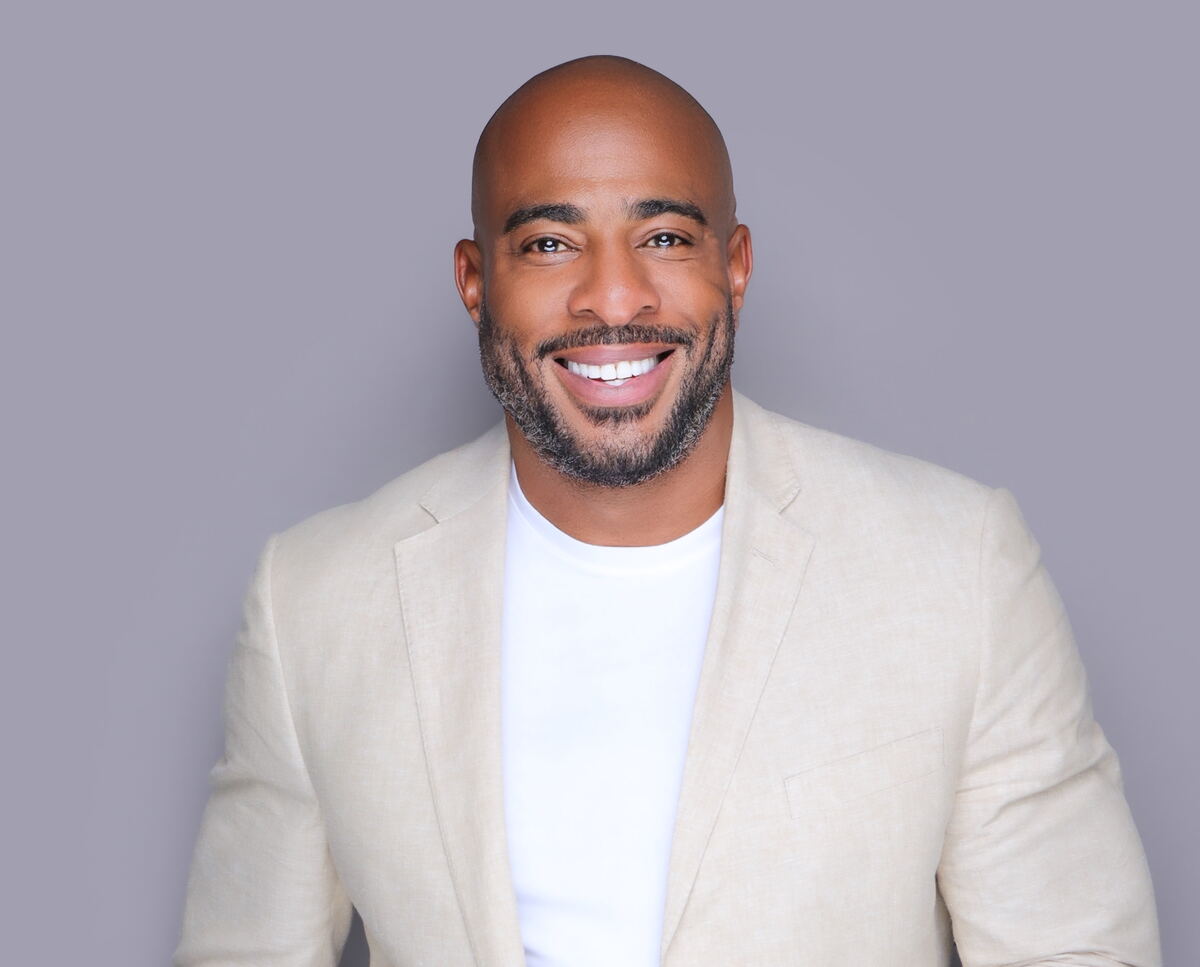
Agu Ukaogo
South Florida Luxury Realtor & Wealth Protection Strategist. FL Real Estate License SL3588365 | Insurance NPN 22138920 | Brokered by Premier Partners | Real Brokerage. HomeWithAgu.com · (305) 791-0812