People love to talk about the companies moving to South Florida like it's a boardroom decision — some committee running spreadsheets and choosing Miami over Manhattan. That's not how it actually happens, and I know it because I watch the order of events every single week. The move almost never starts with the company. It starts with a person. A founder, a CEO, a managing partner quietly buys a home down here first — for the weather, for the taxes, for the life they want their family to have — and the headquarters follows them a year or two later.
Once you see that pattern, you can't unsee it, and it changes how you should think about buying in this market. Because if you understand that the house comes before the headquarters, you understand where the demand is going before the headlines catch up. Let me walk you through what I mean.
The Order of Operations Nobody Talks About
In almost every major relocation I've tracked, the chairman or CEO had already bought a personal residence in South Florida before the company relocated. That's the tell. Wells Fargo moved its wealth management operations up to West Palm Beach. Citadel is putting a headquarters tower in Brickell. Names in finance, tech, and consumer brands keep planting flags across Miami-Dade, Broward, and Palm Beach. But behind almost every one of those corporate press releases is an executive who was already sleeping in a Miami bedroom, sending their kids to a Miami school, and paying no state income tax months or years earlier.
That order matters more than any single announcement. A company can reverse an office lease. It's a lot harder to reverse the life you've already built — the home, the community, the routine. When the decision-maker has personally rooted here first, the corporate move that follows is durable. And durable is the word I care about most when I'm advising someone about where to put their money.
Executives don't relocate companies and then reluctantly move. They move first, and the company chases them. Follow the person, and you'll find the demand before it's priced in.
Why This Lands on the Luxury Market First
When one executive relocates, they don't come alone. The move pulls a wave of senior, high-income people behind it — the deputies, the desk heads, the people who run the divisions. They need housing near the new office, usually quickly, and usually with the budget to compete for the best inventory on the board. That demand doesn't spread evenly across the region. It concentrates exactly where these companies land: Brickell, Wynwood, and the Palm Beach corridor from West Palm through Boca and Delray.
And the numbers already show it. Even with the broader condo market sitting in a clear buyer's market this year, Miami luxury condo sales rose roughly 26% year over year in the first quarter of 2026, and million-dollar-plus sales kept climbing. Cash made up close to 40% of all Miami transactions this spring — far above the national norm — because a lot of these buyers aren't waiting on a mortgage. That's not froth. That's a specific segment being pulled upward by people moving here for reasons that don't reverse when interest rates wiggle.
The Trap Most Buyers Fall Into
Here's where I have to be straight with my clients, because excitement makes people careless. Stories about the corporate migration can make you feel like you have to buy something — anything, anywhere — right now, before you're priced out forever. That's the wrong read, and it's how people overpay.
The smart move is to hold two truths at the same time. First, the condo market right now is firmly a buyer's market — around 13 months of supply, homes taking real time to sell, sellers negotiating on price, closing costs, and concessions in ways they weren't 18 months ago. Second, the executive-led migration is quietly building long-term demand under the best neighborhoods. Put those together and you get a rare setup: you can buy with leverage today into the exact locations durable demand is moving toward tomorrow. The people who lose in this market panic and overpay. The people who win use today's leverage to buy tomorrow's path.
| What Executive Migration Creates | How I'd Position You for It |
|---|---|
| Senior teams following the CEO, needing housing near new HQs | Buy in or near the corridors these companies are actually choosing |
| Sticky demand — permanent moves, long leases, rooted families | Favor durable locations over the cheapest unit on the board |
| Strong luxury rental demand from relocating executives | Consider a hold-and-rent play while leverage is on your side |
| A buyer's market with ~13 months of condo supply right now | Negotiate hard today; the demand tailwind is the long game |
Where the Money Is Actually Moving
If you want a simple map, follow the people, not the press releases. Brickell stays the financial center of gravity — it's where the finance names keep choosing, which keeps steady pressure on its walkable luxury condos even in a soft market. Wynwood has become the creative-and-tech magnet, younger and getting more residential by the month. And the Palm Beach corridor is being built into a second downtown for the wealth-management and quieter-money crowd; Wells Fargo choosing West Palm wasn't a coincidence, it was a signal.
I tell clients the same thing I've told myself through every reinvention of my own life: read where things are going, position early, and don't flinch while the crowd is still looking the other way. I moved to South Florida betting on a place that was still becoming itself. The executives buying here first are making the same bet — the difference is they've got a research department. You don't have to. You just have to watch where they land.
Buy the Demand — But Protect the Asset
This is where being licensed in both real estate and insurance changes the conversation. Plenty of buyers chasing a hot market pour all their attention into the purchase and treat protection as paperwork for later. That's backwards. You're putting serious money into an asset in a state with real storm and insurance exposure. Before you close, I want you clear on your HO-6 or homeowners coverage, your windstorm deductible, and — if you're one of those high earners relocating with the next wave — how the right structure keeps the wealth you're building actually protected.
That's the whole philosophy I bring to every client. Buy the home — and in this market, with this migration underneath it, buying well is a real opportunity. Then protect the family inside it, and structure things so you're building a legacy instead of just making a purchase. Demand is the wind at your back. Protection is what keeps the boat upright when the weather turns. You want both.
How I'd Sum It Up
The companies moving to South Florida aren't a headline to skim — they're the visible end of a quieter story that starts with one person buying a home before the business ever follows. That sequence is putting a long, sticky floor of demand under the exact neighborhoods serious buyers care about. And today's buyer's-market supply hands you the leverage to act smart instead of desperate. Buy into that durable demand while you still have room to negotiate, buy in the right location, and protect the purchase properly. Do those three things and you're not chasing a trend — you're building something that lasts.
If you want to get ahead of where the money is moving, I'm ready to help you do it right. Call me at (786) 417-1897 or visit HomeWithAgu.com. Let's build something real.
Deal Alerts
Get South Florida Deal Alerts + Relocation Intel
New luxury listings and market shifts as the executives keep moving in — sent before the crowd. Plus my Corporate Relocation Brief — free, instant download.
Let's Get You Ahead of the Migration
Tell me what you're considering and I'll help you target the neighborhoods this corporate wave is moving toward — and make sure the purchase is protected before you write an offer.
Frequently Asked Questions
Why do CEOs buy a Miami home before relocating the company?
It's the pattern I watch most closely, because it tells you the move is real. In almost every major South Florida relocation, the chairman or CEO bought a personal residence here before the company ever signed an office lease. The decision starts as a lifestyle and tax choice for the person at the top, then becomes a corporate one. When the executive has already moved their own family and money here, the headquarters that follows isn't a decision that reverses next quarter — and neither is the housing demand it brings.
How does executive relocation affect Miami home prices?
When an executive relocates and the company follows, it isn't one buyer — it's a wave of senior, high-income employees who need housing near the office, usually quickly and with the budget to win the best inventory. That demand concentrates in luxury and near-luxury segments around Brickell, Wynwood, and the Palm Beach corridor, exactly where million-dollar sales keep climbing. In Q1 2026, Miami luxury condo sales rose about 26% year over year even as the broader condo market sat in a buyer's market. It's sticky demand, so it supports values over time rather than as a quick spike.
Is 2026 a good time to buy ahead of Miami's corporate migration?
It's one of the better setups I've seen, because two forces line up in your favor at once. The condo market is firmly a buyer's market with roughly 13 months of supply, so you have real negotiating leverage right now. At the same time, executive-led relocations are building durable demand under the best neighborhoods. Buying into that long-term demand while you still hold buyer's-market leverage is a strong position. The keys are location and protection — buy where the money is actually moving, and structure the purchase properly before you write an offer.
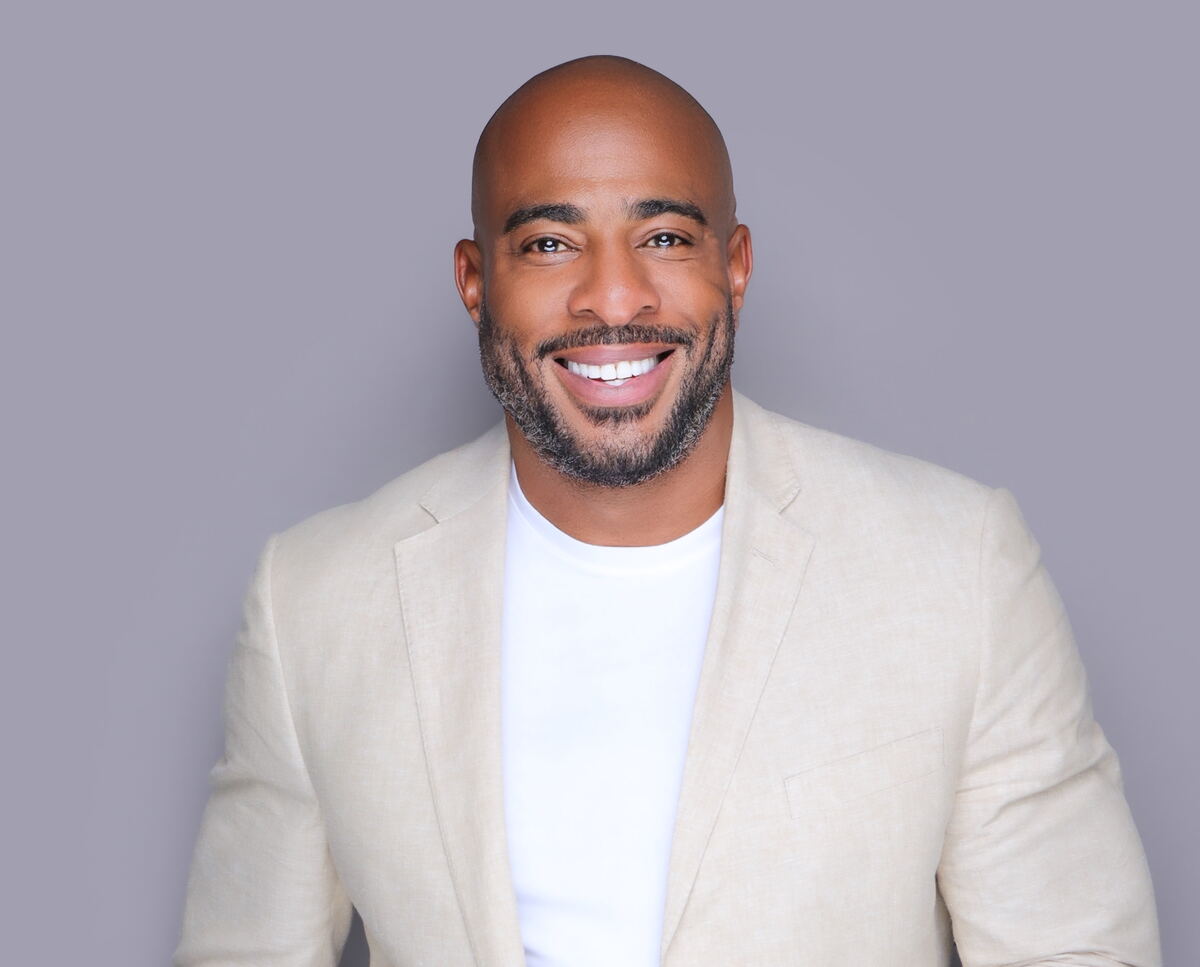
Agu Ukaogo
South Florida Luxury Realtor & Wealth Protection Strategist. FL Real Estate License SL3588365 | Insurance NPN 22138920. One of the few advisors in Miami licensed in both real estate and insurance. HomeWithAgu.com · (786) 417-1897