For most of my adult life, the sentence "New York is the top of the American housing market" was just furniture. Nobody argued with it. You didn't have to.
Then this happened: in the first six months of 2026, Miami-Dade closed 24 homes and condos above $30 million. New York City closed 17.
Not close. Not catching up. Ahead.
And it isn't a one-quarter fluke. Go one tier down, to the $10 million-and-up market, and the picture gets louder. Miami-Dade has recorded 194 sales at $10 million or more through August 2026 — already 14.1% past the county's entire 2025 total of 170, with four months still to run. At that pace the year finishes near 291, which would break the record of 230 set at the absolute peak of the 2021 frenzy.
I want to be precise here, because precision is what separates a useful read from a hype piece. New York is still a much larger housing market than Miami by total transactions and total dollars. That hasn't flipped and won't. What flipped is the trophy tier — the handful of transactions at the very top where the wealthiest people in the country decide where their primary home goes. That decision moved south.
Why the Top of the Market Came Here
People want a single reason. There are three, and the order matters.
One: the tax math is not subtle. No state income tax. No state estate tax. When somebody is approaching a liquidity event, a business sale, or a generational transfer, the difference between domiciling in Florida and domiciling in New York or California is not a rounding error — it is often the largest single line item in the plan. The recent wave of tax-the-wealthy proposals in California in particular pushed a lot of families from "someday" to "this year."
Two: the employers came first. This is the part people underweight. Ultra-wealthy buyers didn't discover Miami on vacation. They followed their own firms, their own family offices, their own headquarters. I've written before about how corporate relocation is the actual engine underneath South Florida demand — and the $30 million sale is just the visible end of a pipeline that starts with a lease signing in Brickell or West Palm eighteen months earlier.
Three: this tier pays cash. The overwhelming majority of Miami's $30 million-plus closings this year were cash. That is why the top of the market kept setting records in a year when mortgage rates were pressuring everyone else. You cannot rate-shock a buyer who never asked for a rate. Cash is the structural reason the two halves of this market behave so differently, and it is the single most misunderstood fact about Miami right now.
The record at the top isn't a story about rich people. It's a story about domicile. When somebody moves their primary residence — not their vacation home, their primary — they move their taxes, their estate plan, their charitable giving, and usually their kids. That's permanent money, and it doesn't leave when the market wobbles.
Now the Part Nobody Puts in the Headline
Here is the same county, the same month, a different tier: total Miami-Dade home sales in August 2026 fell 1.1% year over year to 1,769 closings. Single-family sales were down 3.1%, to 858.
Read those two data sets together and you get the truest sentence I can write about this market: Miami is not one market having one experience. It is two markets pointed in opposite directions.
Above roughly $10 million: supply-constrained, cash, record-setting, competitive. There are only so many waterfront estates on Indian Creek and only so many full-floor penthouses on the water. Scarcity plus permanent wealth equals a price floor that does not care about the Fed.
Below that: an entirely different negotiation. Miami-Dade has been among the most buyer-favorable condo markets in the country, running near 12 months of supply with median days on market around 86. Sellers in that tier are cutting, crediting, and buying down rates. The leverage in the resale condo market is real, and it exists in the same zip codes where the record-breaking trophy sales are closing.
The Trophy Tier ($10M+)
- Record pace — 194 sales through August
- Predominantly cash, rate-insensitive
- Genuinely scarce waterfront supply
- Driven by domicile changes, not speculation
- Miami now outpacing NYC above $30M
- Off-market and pre-market inventory matters most
Everything Below It
- Total Miami-Dade sales down 1.1% in August
- Single-family closings down 3.1%
- Condo supply near 12 months — buyer's market
- Median days on market around 86
- Assessments and dues still repricing buildings
- Sellers negotiating on price, credits and terms
How I'd Use This If I Were Buying
Stop reading the headline as if it applies to you. If you are shopping at $700,000, a $34 million Indian Creek sale is not your comp, your competition, or your urgency. I've watched buyers rush a decision because a magazine told them Miami was on fire, when the building they were touring had been sitting for four months and the seller had already cut twice. Know which of the two markets you are standing in before you write an offer.
If you're in the trophy tier, the inventory you want isn't on Zillow. At that level a meaningful share of the best product trades quietly — pre-market, off-market, agent to agent, sometimes before a photographer ever walks in. If your search is limited to what's publicly listed, you are seeing what didn't sell that way. Relationships are the inventory.
Understand what the wealth migration does to the tiers underneath it. It doesn't flood them — it feeds them, slowly. The executive who buys at $30 million brings a firm. The firm brings directors and VPs who buy at $2 to $5 million. Their teams rent, then buy at $600,000 to $1.2 million. That cascade is why I stay long on South Florida even in the quarters when the middle of the market goes flat, and it's why the condo recovery is happening building by building rather than all at once.
Buy where the demand is arriving, not where it already landed. The record sale tells you where the money went. The office lease, the HQ announcement, the school expansion — those tell you where it's going. I'd rather put a client two years ahead of a corridor than two years behind a headline.
Buy the Home. Then Protect the Position.
Here's where my real estate license and my insurance license stop being separate jobs.
The families closing at $30 million did not get there by accident, and almost none of them own that house naked. There's a trust. There's a liquidity plan. There's coverage sized so that a death, a disability, or a bad year never forces a sale of the asset. That's not a luxury add-on — that is the entire reason the asset stays in the family across generations. Wealth doesn't compound because of what people bought. It compounds because of what they kept.
And the exact same principle scales down to a $450,000 condo in Doral. I ask every client the question that makes the room go quiet: if your income stopped tomorrow, how long does this home stay in your family? If the honest answer is measured in months, we have work to do before we talk about paint colors.
I ask because I've lived the other side of it. When I lost my mother in 2012, shortly after I'd moved to Los Angeles to build something new, I learned in the most direct way possible what it costs a family when nobody finished the paperwork. Everything I do in this business, including the tough conversations, comes from that.
So whether you're closing at eight figures or buying your first place in Broward: negotiate hard, close with reserves still in the bank, and put the protection layer in place before you need it — because nobody gets to buy coverage on the day it matters.
That's the whole philosophy. Buy the home. Protect the family. Build the legacy. The money moving to Miami already understands that. The rest of us should too.
Let's Talk About Your Tier
Tell me your price point and your timeline, and I'll show you exactly which of these two markets you're buying in — supply, days on market, seller concessions, and where the corporate demand is landing next.
Frequently Asked Questions
Is Miami now a bigger ultra-luxury market than New York?
At the very top of the market, yes. In the first half of 2026, Miami-Dade closed 24 homes and condos above $30 million while New York City recorded 17. Miami-Dade has also logged 194 sales at $10 million or more through August 2026 — already 14.1% above its entire 2025 total of 170 — putting the county on pace for roughly 291 for the year, which would break the prior record of 230 set in 2021. New York remains a far larger market by total transaction count and total dollar volume; what has changed is the trophy tier, where Miami now leads on the number of eight-figure and nine-figure closings.
Why are ultra-wealthy buyers moving to Miami instead of New York or California?
Three reasons, and taxes are only the first. Florida has no state income tax and no state estate tax, which is decisive when someone is planning a liquidity event or a generational transfer. Second, the employers followed — financial firms, family offices, funds and corporate headquarters have relocated or opened significant South Florida offices, so executives buy where the desk is. Third, the ultra-luxury tier here is predominantly cash, which means it does not flinch at mortgage rates the way the financed market does. That combination is why the top of the Miami market kept setting records in a year when overall Miami-Dade sales were essentially flat.
Does record ultra-luxury demand mean regular Miami buyers have lost their leverage?
No, and confusing the two is the single most expensive mistake I see. Miami is running two separate markets. The trophy tier above $10 million is supply-constrained, cash-driven, and setting records. The broader resale condo market is the opposite — Miami-Dade has been among the most buyer-favorable condo markets in the country, with roughly 12 months of supply and median days on market near 86. Meanwhile total Miami-Dade sales in August 2026 actually slipped 1.1% year over year to 1,769 closings. If you are buying under $2 million, headlines about $30 million penthouses tell you nothing about your negotiation.
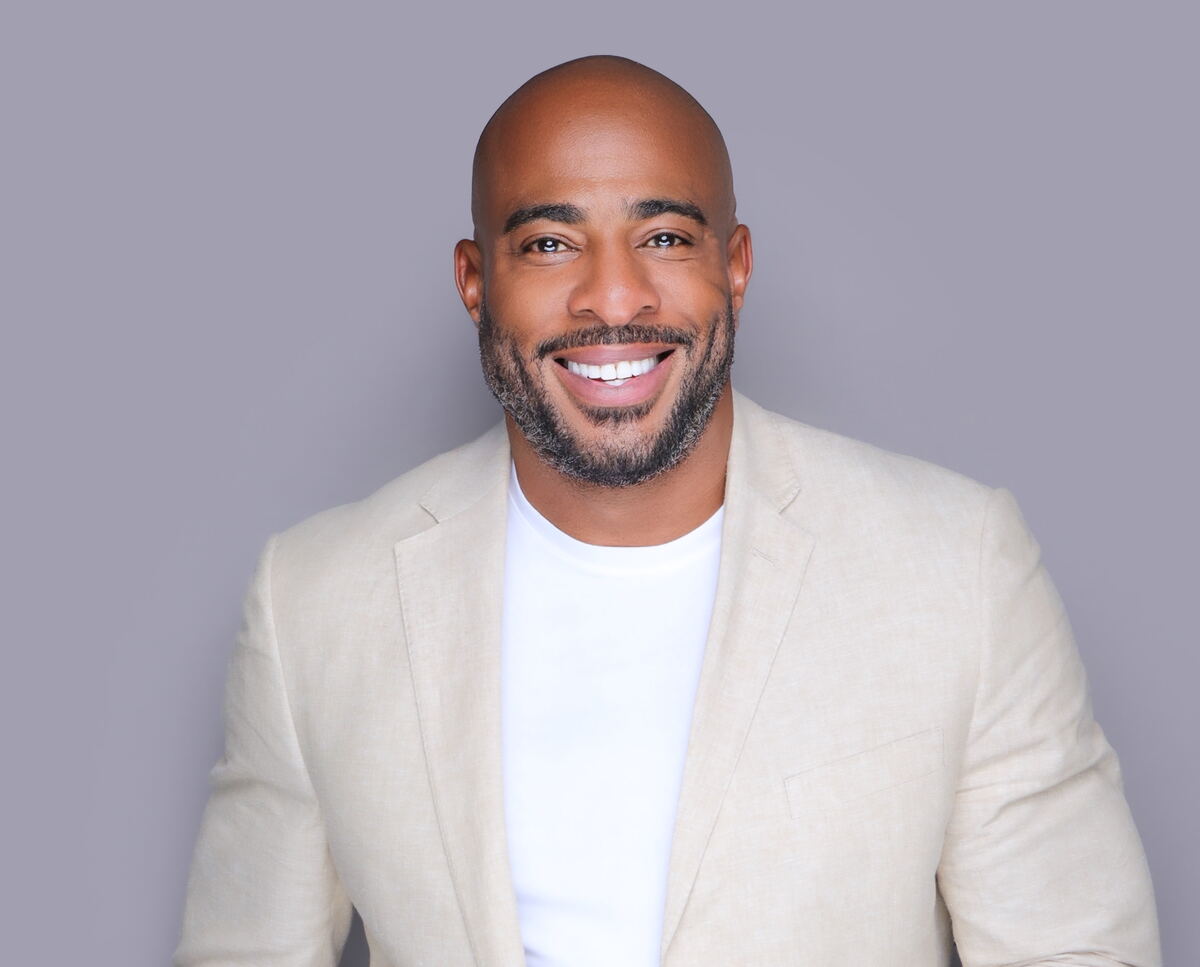
Agu Ukaogo
South Florida Luxury Realtor & Wealth Protection Strategist. FL Real Estate License: SL3588365. Bridges real estate transactions with life insurance and wealth protection that keeps homes in families. HomeWithAgu.com · (305) 791-0812