Every year around Thanksgiving my phone changes. The calls stop being from people moving here full time and start being from people who just landed. Chicago, Toronto, Boston, New York. They're on a balcony in Sunny Isles or Brickell for two weeks, the sun is out, it's 78 degrees, and they call me with the same question: "What would it take to just own a place down here?"
I love that call. And I'll tell you what I tell them. This is one of the best setups for a second-home condo buyer I've seen in South Florida in years. But a second home is a different purchase than a primary home, and the buyers who treat it the same way are the ones who end up with a beautiful unit and an ugly surprise.
Why the Timing Favors Snowbirds Right Now
MIAMI REALTORS released its October numbers on November 16, and the condo side of the market is clearly tilted toward buyers:
| October 2026 condos / townhomes | Miami-Dade | Broward |
|---|---|---|
| Months of supply | 12.7 | 10.6 |
| Median sale price | $397,500 (down 0.6%) | $240,300 (down 7.2%) |
| Closed sales vs. last October | down 9.6% | down 11.9% |
A balanced market runs somewhere around six to nine months of supply. Miami-Dade condos are well past that, and Broward is right behind. Statewide, Florida Realtors put condo and townhome supply at 8 months, with new pending condo sales down 11.9% from a year ago. Mortgage rates have climbed back above 7%, and that's keeping a lot of financed buyers on the sidelines.
Here's the snowbird advantage most people miss. You're shopping in person, during the exact weeks the sellers who've been sitting since summer are feeling it the most. Season brings more buyers in January and February. Right now, before the crowd shows up, you get the seller's attention and the building's best units at the same time.
Don't confuse "buyer's market" with "everything is cheap." Active condo inventory in South Florida actually fell 9.6% year over year. Supply is high relative to sales, not flooding in. The well-run buildings with strong reserves still hold value. The leverage is real, but it lives in the details: days on market, how many units are listed in the same tower, and how motivated that particular seller is.
A Second Home Is a Different Loan, a Different Tax Bill, and a Different Building Question
1. The financing is not the same
Lenders treat a second home differently than a primary residence and very differently than an investment property. You'll generally need more down than a first-time buyer would, and the lender will want the property to be one you actually use, not one run like a hotel room. If your plan is to rent it out most of the year, say that up front, because it changes the loan. I've watched a deal get repriced at the last minute because a buyer described a "second home" that was really a rental. Be honest with your lender from day one.
2. The building has to be financeable
Since Florida's post-Surfside condo safety laws, milestone inspections, structural reserve studies and fully funded reserves have reshaped which buildings lenders will touch. A unit can be priced beautifully and still be in a building your lender won't approve. If you're financing, I confirm the building's status before we write. My condo document red flags guide shows you what I look for.
3. The tax picture is not the homestead picture
Florida's homestead exemption, the Save Our Homes cap on assessment increases, and the larger homestead exemption voters approved with Amendment 3 this month all belong to your primary residence. A second home doesn't get them. That doesn't make it a bad buy. It means your property tax line should be underwritten at the non-homestead rate from the start, not at whatever the current owner pays. I've had clients fall in love with a monthly number that was built on the seller's homestead. Don't do that.
4. The rental rules live in the condo documents
A lot of snowbirds plan to rent the unit for a few months to offset carrying costs. Great plan, if the building allows it. Many South Florida associations set minimum lease terms, cap the number of leases per year, or require a waiting period after purchase. Read the declaration and rules before you offer, not after you close.
Where I Point Second-Home Buyers
- Want walkability and city energy? Brickell and Edgewater give you restaurants, Brightline and the bay. Edgewater in particular has new supply competing with resales, which helps you negotiate.
- Want the beach and a quieter season? Sunny Isles, Surfside and Bal Harbour have older oceanfront buildings with real leverage and some newer towers that hold value. Budget carefully for reserves and assessments in the older stock.
- Want more space for the money? Broward, from Hallandale Beach up through Fort Lauderdale and Pompano, gives you a lower median and 10.6 months of supply, about 30 minutes from Miami.
The Snowbird Offer Playbook
- Shop while you're here, write before you leave. The sellers you meet in late November and December are often the most flexible ones you'll see all year.
- Count the listings in the tower. If several units in the same building are for sale, you're negotiating against the seller's neighbors. Use it.
- Ask for terms, not just price. Closing-cost credits, a rate buydown, furniture, or a credit toward a pending assessment. With rates above 7%, a buydown can be worth more to you than a small price cut.
- Plan for an empty unit. You'll be gone for months. Line up a property manager or a trusted point of contact, and know the building's hurricane procedures before June.
- Buy like you'll sell. The same supply that helps you today is your competition when you exit. Pick the view, floor plan and building that stand out.
Protect the Place You Love
This is where my insurance license matters. A second home sits empty for long stretches, and that changes the protection conversation. Price your HO-6 policy before you offer, ask about coverage for a unit that's vacant part of the year, and add loss assessment coverage so a building-wide deductible doesn't land on you alone. If you finance, make sure the mortgage on a second home doesn't become a weight on your family if something happens to you. Protection is what keeps a dream place from turning into a burden for the people you leave behind.
I think about this personally. I lost my mother in 2012, not long after I moved to Los Angeles, and it taught me that what we build only matters if it holds up when life hits. A second home should be joy for your family, not a problem they inherit.
Buy the home. Protect the family. Build the legacy. If you're down here for the season and the question in your head is "what would it take," let's answer it properly. Call me at (305) 791-0812 or visit HomeWithAgu.com. Let's build something real.
Sources: MIAMI REALTORS® + RWorld October 2026 South Florida market reports (November 16–17, 2026); Florida Realtors October 2026 statewide housing report (November 16, 2026); NBC6 South Florida, October 2026 home sales coverage (November 18, 2026). Figures change month to month and are not a guarantee of future results. Lending, tax and insurance details vary by situation; confirm with your lender, CPA and insurance professional.
Deal Alerts
Get South Florida Deal Alerts + Building Intel
New listings, price cuts, and the buildings I'd actually put a client in — sent before the crowd sees them. Plus my Condo Due Diligence Checklist — free, instant download.
In Town for the Season? Let's Tour Smart.
Tell me your budget, how many months you'll be here, and whether you want to rent it out. I'll pull the buildings that fit, with resale counts, reserves, rental rules and assessment history, before you write a single offer.
Frequently Asked Questions
Is now a good time to buy a second-home condo in Miami?
For buyers, the setup is strong. MIAMI REALTORS reported Miami-Dade condos at 12.7 months of supply in October 2026 and Broward at 10.6 months, well above the six to nine months of a balanced market. Shopping before peak season in January and February often gets you more motivated sellers.
Does a second home in Florida get the homestead exemption?
No. The homestead exemption, the Save Our Homes assessment cap and the expanded homestead exemption from Amendment 3 apply only to your primary residence. Underwrite a second-home condo at the non-homestead property tax rate, not at the seller's current tax bill.
Can I rent out my Miami second-home condo when I'm not using it?
Only if the building allows it and your loan type fits. Many South Florida condo associations set minimum lease terms, limit leases per year or require a waiting period after purchase. Read the declaration and rules before you offer, and tell your lender how you plan to use the unit.
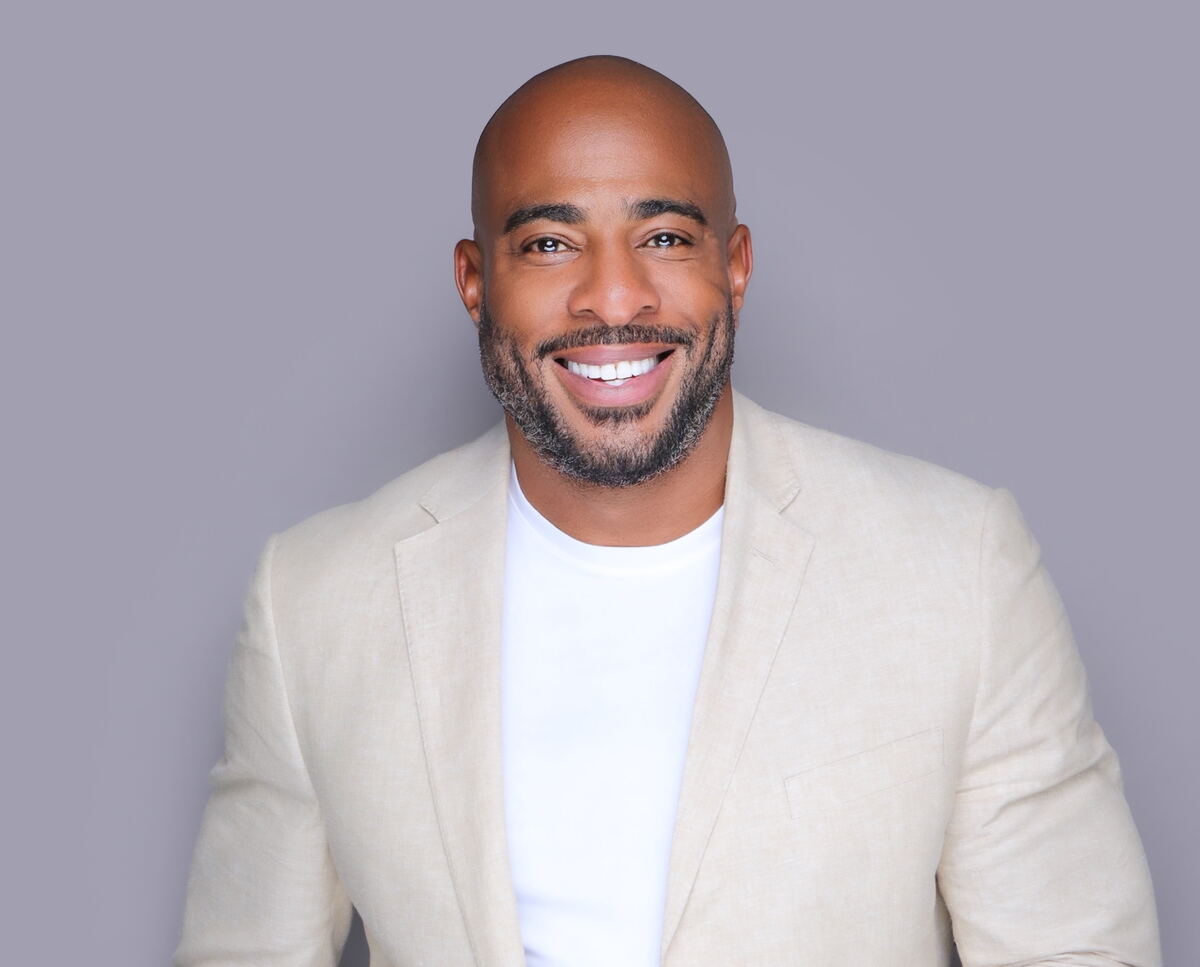
Agu Ukaogo
South Florida Luxury Realtor & Wealth Protection Strategist. FL Real Estate License SL3588365 | Insurance NPN 22138920. One of the few advisors in Miami licensed in both real estate and insurance. HomeWithAgu.com · (305) 791-0812